Designing a living room that successfully marries modern architecture and contemporary furniture with classic comfort is one of the most rewarding challenges in home decor. Many U.S. homeowners and renters find themselves caught between two design extremes: the stark, minimalist aesthetic of high-end modern galleries and the heavily upholstered, ornate traditional styles of the past. The secret to resolving this tension lies in the ‘warm modern’ approach, a balanced design philosophy that values clean lines, open spatial flow, and minimalist silhouettes while aggressively prioritizing tactile richness, approachable seating, and emotional warmth.
Achieving this balance does not require a complete architectural overhaul or a limitless budget. By understanding how to mix materials, curate intentional color palettes, and select furniture pieces that invite lingering rather than just admiring, you can transform your everyday living space. Whether you are working with an open-concept suburban build or a character-rich historic urban apartment, blending these two design worlds creates an environment that looks sophisticated yet feels entirely lived-in and welcoming for family and guests alike.
Defining the Warm Modern Aesthetic for American Living Spaces
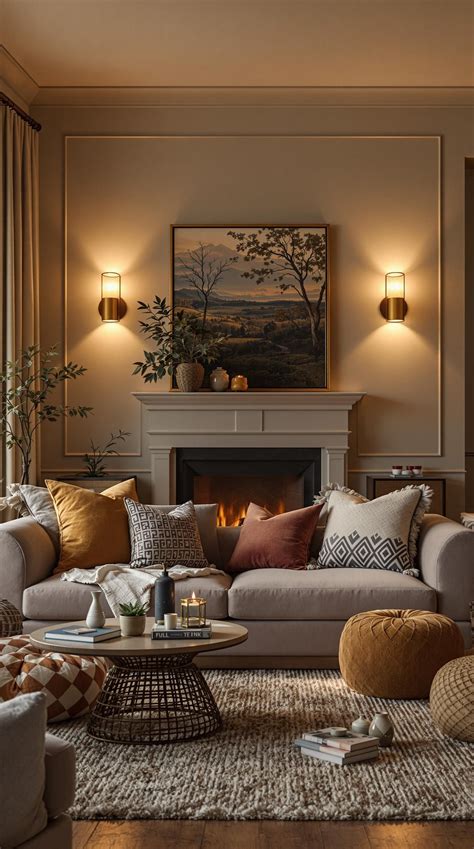
The warm modern movement represents a conscious departure from the cold, sterile minimalism that dominated design media over the last decade. While traditional modernism relies heavily on stark whites, polished chrome, concrete, and severe geometric shapes, warm modernism softens these elements by introducing organic forms, natural wood tones, and an abundance of tactile textiles. In typical American homes—which often feature drywall, standard ceiling heights, and versatile multi-use floor plans—this design style acts as a bridge between the clean architecture of new construction and the innate coziness we crave at the end of a long day.
When planning your space, think of modern architecture or sleek foundational furniture as the skeleton, and your comfort layers as the heartbeat. You can introduce modern elements through streamlined architectural moldings, oversized windows without heavy drapery, or low-profile media consoles, while keeping the space approachable through inviting upholstery and personal artifacts. This duality prevents the room from feeling like a museum exhibit, ensuring that children, pets, and weary adults can comfortably inhabit every square foot without fear of disrupting a precious arrangement.
Balancing Contemporary Silhouettes with Plush Traditional Seating
One of the most effective ways to ground a modern living room is through intelligent furniture selection. Pairing a sleek, low-profile contemporary sofa with classic armchairs—or vice versa—creates a dynamic visual tension that makes a room feel curated over time rather than purchased from a single showroom catalog. Look for sofas with clean track arms and slender legs that elevate the piece off the floor, allowing light to pass underneath and making the room feel larger, a crucial trick for compact urban apartments.
To counteract the sometimes rigid lines of contemporary seating, introduce plush elements through accent chairs, ottomans, or oversized floor cushions. A tufted leather armchair or a traditional armchair upholstered in a heavy textured fabric can sit comfortably opposite a modern sectional, provided they share a cohesive color family. The goal is to ensure that every seating option offers a distinct invitation to sit, read, or converse, balancing visual lightness with physical depth.
Layering Textures: The Secret to Visual and Tactile Depth
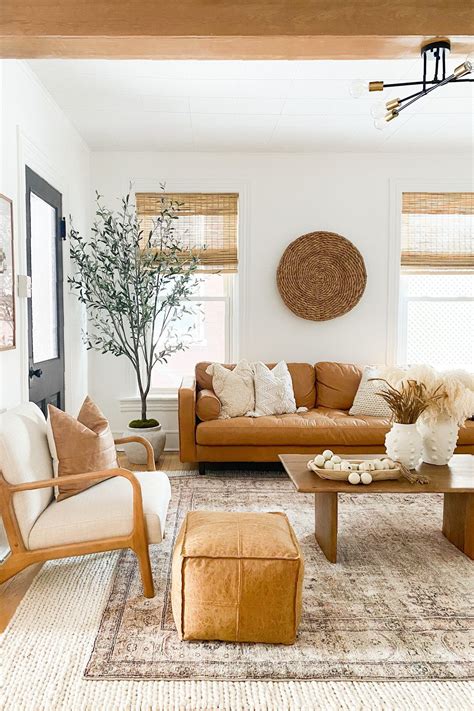
Texture is the ultimate antidote to a flat or uninspired room. Because modern design often relies on solid colors and restrained patterns, the sensory experience of the room depends almost entirely on how different materials interact with one another. Mix smooth surfaces with rough, matte finishes with high shine, and heavy weaves with delicate transparency. This creates a rich visual landscape that draws the eye across the room and makes the space feel deeply comfortable.
Consider pairing a sleek, matte black steel coffee table with a distressed white oak tray, or placing a nubby, high-pile wool rug underneath a smooth leather sofa. Window treatments also offer a prime opportunity for texture; swap out stiff blinds for relaxed linen drapes that pool slightly on the floor, introducing organic movement whenever a breeze passes through. By deliberately layering these contrasting elements, you prevent your modern living room from ever feeling stark or clinical.
Establishing a Sophisticated Yet Cozy Color Palette
Color sets the emotional temperature of your living room. To successfully bridge modern style with classic comfort, build your palette around warm neutrals, earthy undertones, and muted accent hues. Start with a foundational backdrop of creamy off-whites, warm taupes, or soft greiges rather than stark brilliant white. These tones reflect natural light beautifully while providing a softer, more enveloping envelope for the room.
Layer in richer, grounded colors through larger textiles and accent pieces—think terracotta, olive green, muted rust, charcoal, or deep indigo. These hues connect the interior space to the natural environment outdoors, a hallmark of both contemporary and timeless design. Avoid neon or overly saturated brights unless used in very small, easily changeable doses like a single throw pillow or piece of abstract art, ensuring the overall atmosphere remains serene and restorative.
Lighting Strategies for Mood and Architectural Clarity
Lighting is frequently overlooked in living room design, yet it holds the power to completely transform how modern and classic elements interact. Relying solely on harsh overhead recessed lighting can flatten a room and expose every flaw, stripping away the nuanced warmth you worked so far to create. Instead, adopt a layered lighting plan that operates at three distinct heights: ambient overhead fixtures, task lighting for reading corners, and accent lighting to highlight architectural features or artwork.
Incorporate modern light fixtures with classic materials, such as a brushed brass floor lamp with an organic linen shade, or a minimalist black metal sconce paired with warm-toned Edison bulbs. Dimmers are non-negotiable tools in a warm modern living room, allowing you to easily shift the room’s energy from bright and functional during daytime family activities to soft, intimate, and deeply relaxing during evening hours.
Frequently Asked Questions
How do I make a modern living room feel cozy instead of cold?
To prevent a modern living room from feeling cold, focus on introducing tactile warmth through textiles and organic materials. Incorporate high-pile wool rugs, woven baskets, bouclé or linen upholstery, and natural wood furniture. Additionally, warm up your lighting by using multiple floor and table lamps with warm bulbs on dimmer switches instead of relying solely on bright overhead lights.
What is the difference between contemporary design and classic comfort?
Contemporary design refers to the current design trends of the present moment, typically characterized by clean lines, minimalist silhouettes, neutral color palettes, and innovative materials like steel and glass. Classic comfort, on the other hand, prioritizes timeless livability, plush cushioning, ergonomic support, and traditional silhouettes that invite relaxation and long-term use without strict adherence to passing trends.
How can I mix old furniture pieces with new modern decor?
Mixing vintage or heirloom furniture with new modern decor is a hallmark of curated interior design. To make it work, anchor the room with one dominant style—such as a modern sofa—and use the older piece as a statement accent, like a vintage wooden coffee table. Tie the disparate eras together using a consistent color palette, matching hardware finishes, or a unifying large-scale area rug that anchors the conversation area.
What color schemes work best for a warm modern living room?
Warm modern living rooms thrive on sophisticated, nature-inspired color schemes. Start with warm neutral bases like creamy beige, soft taupe, or warm gray. Layer in grounding accent colors such as terracotta, olive green, clay, muted rust, or charcoal. These shades provide a harmonious backdrop that feels both contemporary and timelessly cozy.
How do I choose the right lighting for a blended living room style?
Choose lighting that bridges the gap between modern minimalism and classic warmth by mixing materials and forms. Look for sleek, architectural silhouettes crafted from warm metals like brushed brass, matte black iron, or aged bronze, paired with natural fabric shades. Always layer your lighting sources at different heights using table lamps, floor lamps, and wall sconces to create depth and flexible ambiance.


