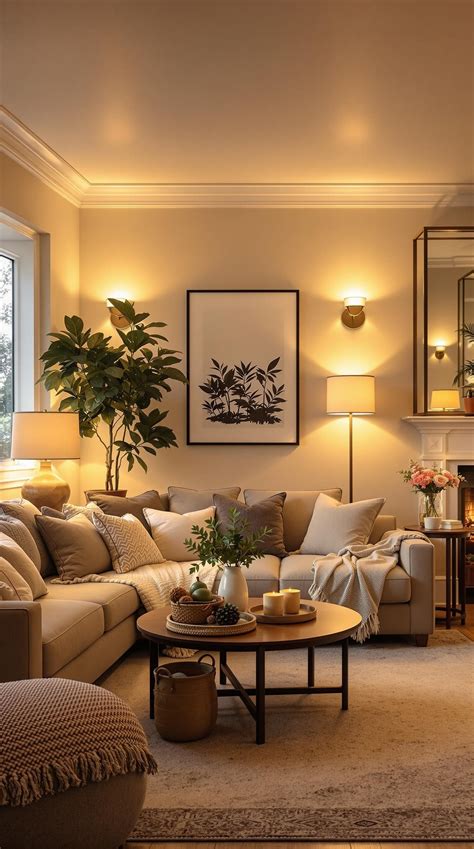
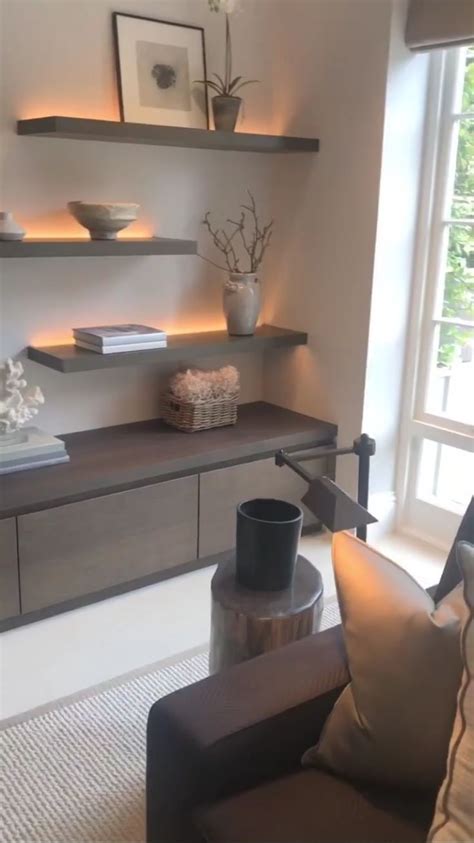
When updating an American home, the challenge rarely lies in finding items that look appealing on a screen. Instead, the real hurdle is discovering pieces that marry aesthetic versatility with structural integrity. Modern living spaces require furnishings that can endure daily family life, accommodate shifting layouts, and still maintain a refined visual presence over the years.
Navigating the vast market of home furnishings calls for a deliberate strategy. By prioritizing sound construction methods, honest materials, and adaptable silhouettes, homeowners and renters alike can curate environments that feel both intentional and deeply comfortable. This guide breaks down essential furniture categories, offering practical evaluation criteria to help you invest wisely in your living spaces.
Anchoring the Living Room with Versatile Seating
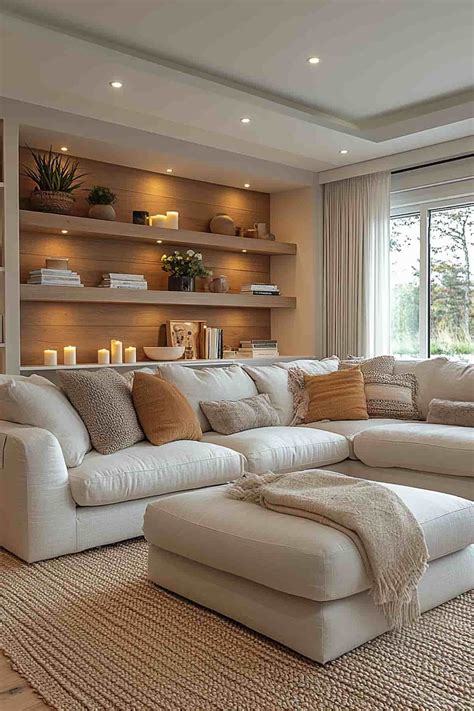
The living room generally serves as the hardworking social hub of the modern American household. Selecting foundational seating requires balancing scale, proportion, and upholstery performance against the realities of everyday foot traffic. Whether you gravitate toward a deep-seated sectional or a classic sofa paired with accent armchairs, the underlying frame construction dictates how long the piece will serve your household.
When assessing a prospective sofa or sectional, inspect the frame materials and joinery. Kiln-dried hardwood frames joined with corner blocks and dowels offer significantly better longevity than soft pine frames secured merely with staples and glue. High-resilience foam wrapped in down-alternative channels also strikes an optimal balance, providing immediate plushness while resisting permanent sagging.
Upholstery selection is another critical decision point for high-use living spaces. Performance fabrics treated for stain resistance, tightly woven linens, and heavy-duty textured chenilles stand up remarkably well to pets, children, and frequent lounging. Opting for neutral, adaptable base tones allows you to refresh the room’s mood seasonally through affordable throw pillows, blankets, and smaller decor accents.
Designing a Functional and Welcoming Dining Area
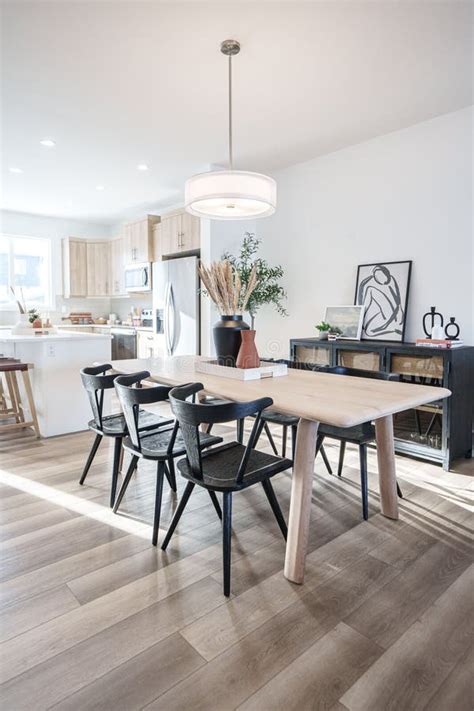
Dining spaces in contemporary homes frequently double as workspaces, craft stations, and homework zones. Consequently, tables and chairs must be chosen with multi-functionality and durability in mind. Solid wood tables, such as oak, walnut, or maple, handle daily friction gracefully and develop a rich patina over time that veneers simply cannot replicate.
Evaluating joinery in dining tables is straightforward if you know what to look for. Look for sturdy apron construction and sturdy leg attachments that prevent wobble during heavy use. For seating, ergonomic contours and supportive backrests are essential, especially if your household spends hours gathered around the table for meals or conversation.
Scale is another vital consideration for standard American dining rooms or open-concept floor plans. Leave a minimum clearance of thirty-six inches around the perimeter of the table to ensure comfortable chair movement and smooth traffic flow. If you frequently host guests, consider an extendable table design featuring a concealed butterfly leaf, which maximizes floor space during everyday routines while scaling up effortlessly for special gatherings.
Creating a Restful and Organized Bedroom Sanctuary
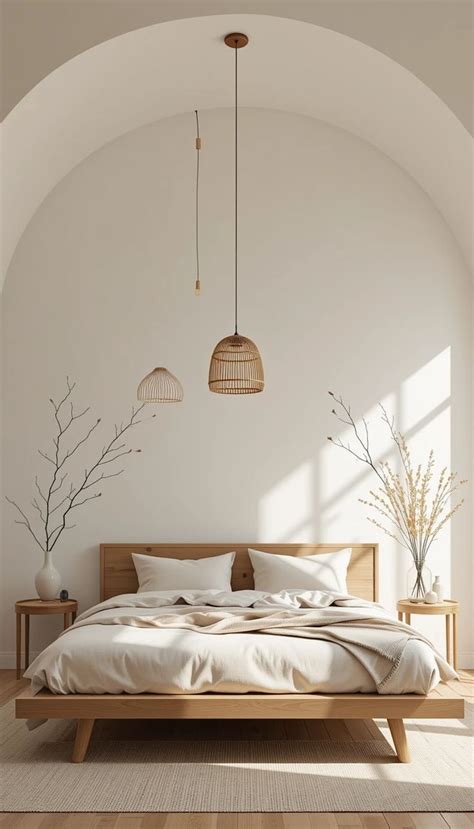
A bedroom should function as a deliberate antidote to the fast pace of daily life. Achieving this calming atmosphere begins with investing in a quality bed frame and mattress foundation. Platform beds with integrated slat systems offer excellent ventilation for mattresses while maintaining a clean, low-profile aesthetic that visually opens up compact bedrooms.
Complementary storage pieces, such as dressers and nightstands, should offer generous capacity without overwhelming the room’s footprint. Look for pieces featuring smooth-gliding drawer slides and English or French dovetail joinery, which indicate superior craftsmanship and resistance to everyday wear and tear. Solid brass or steel hardware adds a tactile layer of quality that elevates standard wood finishes.
To maintain a serene environment, incorporate bedside tables with enclosed storage rather than purely open shelves. This simple choice helps conceal nighttime clutter like charging cables, journals, and reading glasses, preserving the clean, minimalist surfaces essential for visual relaxation and restorative sleep.
Balancing Craftsmanship, Cost, and Sustainability
Investing in home furniture is a long-term commitment that requires weighing upfront costs against long-term replacement cycles. Fast-furniture options may appeal to immediate budgets, but they frequently end up in landfills within a few years due to failing hardware or compressed particle board breakdown. Shifting focus toward modular, repairable, and sustainably sourced pieces yields a more resilient home.
When shopping across different budget tiers, examine product specifications closely. Prioritize solid wood over medium-density fiberboard (MDF) for weight-bearing components, and look for certifications that guarantee responsible forestry practices or non-toxic finishes. Buying fewer, higher-quality items not only reduces environmental impact over time but also gives your interior a cohesive, collected-over-time character.
Frequently Asked Questions
What are the top furniture trends for American homes right now?
Current trends emphasize organic modernism, warm neutral palettes, tactile performance fabrics, and multi-functional designs that adapt easily to open-concept layouts or compact urban apartments.
How can I choose furniture that is both stylish and durable?
Focus on foundational construction details such as kiln-dried hardwood frames, sturdy joinery, and heavy-duty performance upholstery rather than relying solely on surface aesthetics.
What materials should I look for to ensure long-lasting quality?
For wood furniture, seek out solid hardwoods like oak, walnut, or maple. For seating, look for high-resilience foam cores and tightly woven performance textiles designed to resist staining and abrasion.
How do I select furniture that fits both large and small spaces?
Measure your room carefully, ensuring at least thirty-six inches of clearance for walkways. Choose low-profile or leggy furniture silhouettes for smaller rooms to maintain visual openness, while anchoring larger spaces with substantial modular sectionals.