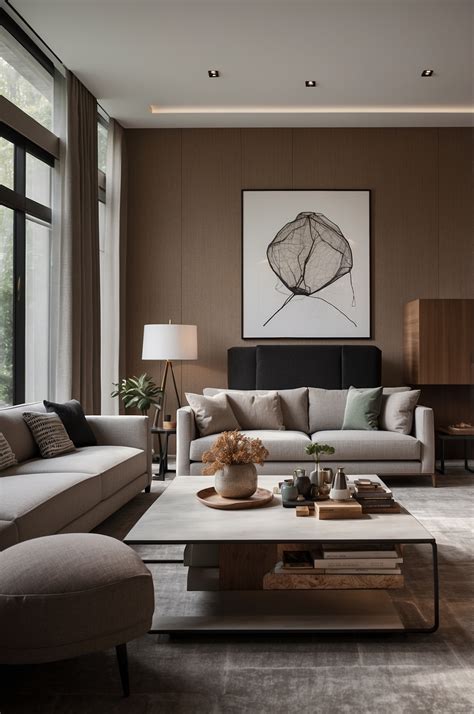
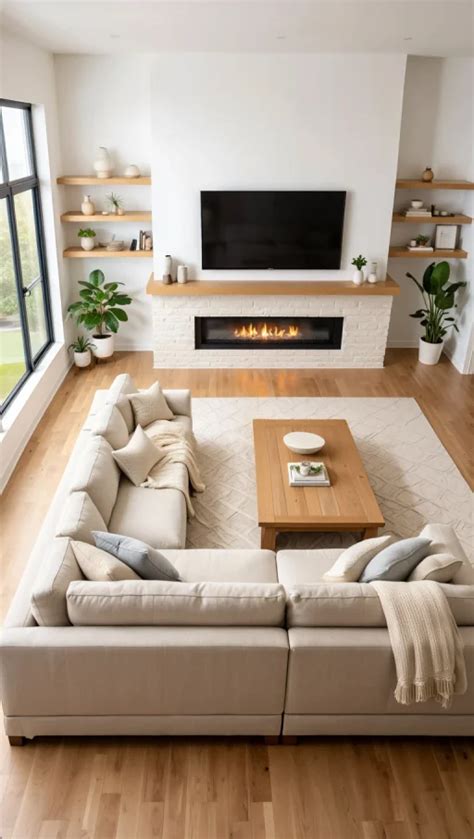
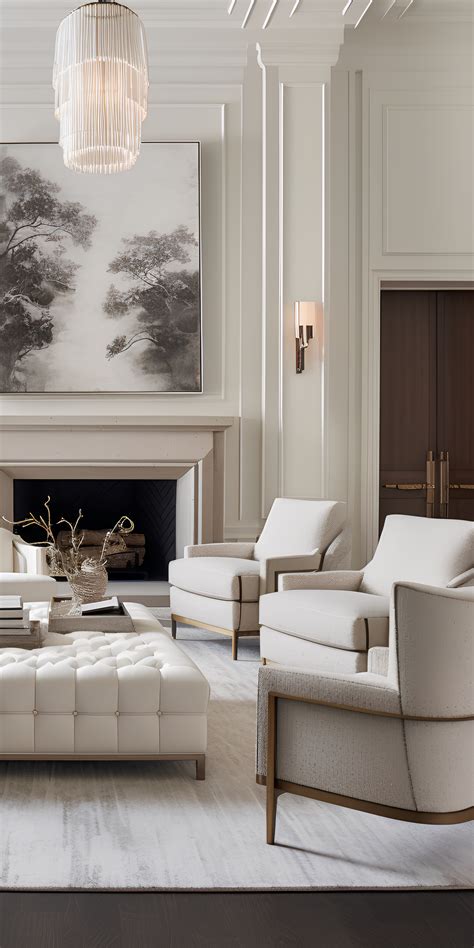
When designing a family room or open-concept living area in an American home, balancing uncompromised relaxation with refined interior aesthetics is a common challenge. Traditional reclining furniture has historically been associated with bulky silhouettes and heavy leather finishes that can easily overwhelm a room. However, modern fabric reclining sofa sets completely redefine this category. By pairing plush, tactile textiles with ergonomic motion mechanisms, these versatile seating arrangements invite you to lean back and unwind without sacrificing your personal design vision.
Creating a truly cozy atmosphere starts with understanding how your furniture interacts with daily living. Whether you are hosting a lively neighborhood gathering, enjoying a quiet weekend movie marathon, or helping kids with homework after school, your seating needs to support every scenario. Fabric options introduce warmth, acoustic softness, and an approachable charm that instantly makes a house feel like a lived-in home. This comprehensive guide explores how to evaluate, arrange, and style these functional statement pieces to elevate your interior space.
Why Fabric Outshines Leather for an Inviting Home Feel
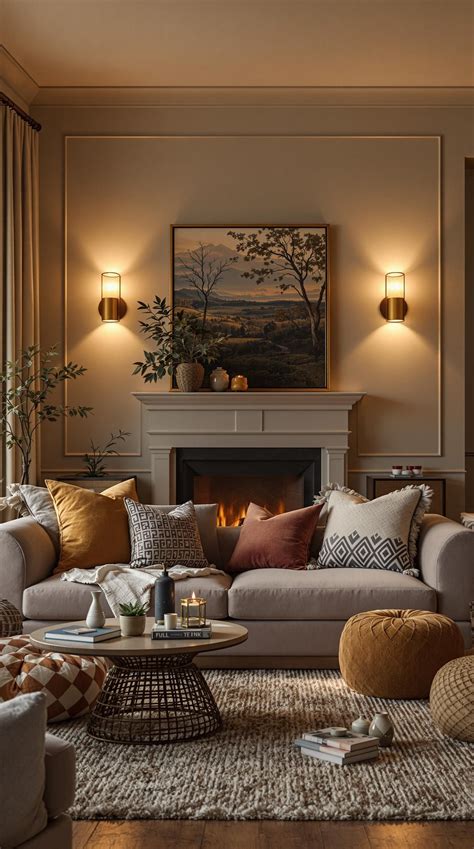
Choosing the right upholstery material is the single most important decision when designing a cozy gathering space. While top-grain leather offers a sleek, sophisticated appeal, it often feels cold to the touch during chilly winter evenings and can become sticky in warmer summer months. Fabric upholstery, by contrast, immediately introduces tactile warmth and visual softness that makes any living room feel approachable and welcoming.
Furthermore, contemporary textile engineering has introduced advanced performance fabrics that change the narrative around maintenance. Families with children or pets no longer need to shy away from soft wovens, chenilles, or textured tweeds. Modern stain-resistant treatments ensure that everyday spills bead up on the surface rather than sinking into the cushion fibers, offering the best of both worlds: luxurious tactile comfort and everyday durability.
Exploring Tactile Textures: Chenille, Microfiber, and Tweed
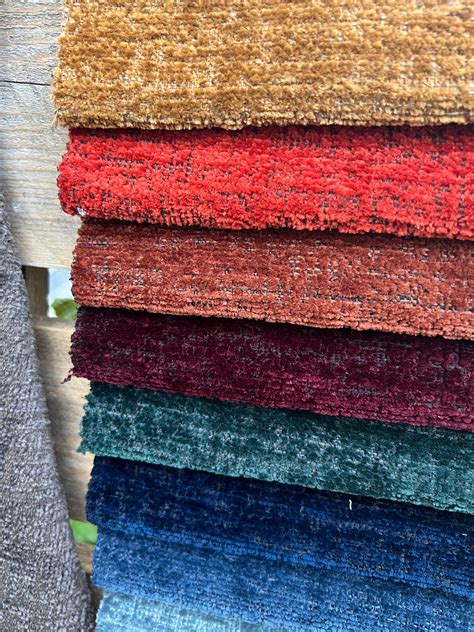
The visual depth of a room heavily relies on texture variation. When shopping for fabric reclining sofa sets, consider how different weaves interact with your natural window light and overhead lighting fixtures. Chenille offers a velvety, plush hand-feel that begs you to curl up with a good book, while tightly woven tweed provides a tailored, heathered look that hides minor everyday lint and dust with ease.
Microfiber remains a perennial favorite for high-traffic American households due to its incredible softness and velvety nap. It absorbs rich color dyes exceptionally well, resulting in deep charcoal grays, warm oatmeal tones, and earthy olive hues that anchor a living room palette. Mixing these fabrics with smooth throw blankets and chunky knit pillows elevates the visual richness of a bulky reclining frame.
Configuring Your Layout: Sectionals, Three-Piece Sets, and Loveseats
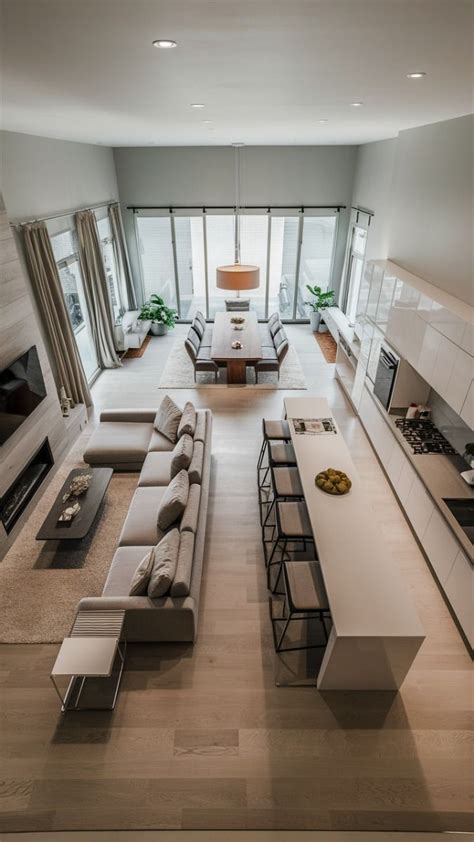
Spatial planning is vital when integrating reclining furniture into your home layout. Because recliners require mechanical clearance to extend fully, mapping out your floor plan prevents awkward bottlenecks and ensures smooth traffic flow throughout your living area. A standard three-piece set typically includes a sofa, loveseat, and armchair, offering flexible arrangement options that can float in the middle of a large room or anchor against perimeter walls.
On the other hand, reclining sectional sofas maximize seating capacity in open-concept great rooms, creating a defined boundary between living and dining zones. When measuring your space, remember to account for both the footprint of the sofa when upright and the extended depth when the footrest is fully deployed. Leaving adequate walkway clearance ensures the room maintains an open, breathable atmosphere rather than feeling overcrowded.
Understanding Wall-Clearance and Spatial Planning
One common design mistake is pushing a standard reclining sofa flush against a living room wall, only to find that activating the recline function scuffs the drywall. To solve this, look for wall-hugger reclining mechanisms. These clever engineering designs slide the seat forward as it reclines, requiring only a few inches of clearance behind the backrest.
If a wall-hugger design is not an option, floating your sofa a foot or two away from the wall creates a more sophisticated interior layout. You can place a slim console table behind the sofa to hold accent lamps, books, or decorative trays. This interior design trick not only conceals the mechanics of the furniture but also adds a layered, professionally styled look to your main living space.
Choosing the Mechanics: Manual Versus Power Reclining
The debate between manual and power reclining mechanisms often comes down to personal preference, budget, and daily usage patterns. Manual recliners rely on a pull-tab or internal latch system combined with your body weight to push the footrest into place. They are mechanically reliable, require no nearby electrical outlets, and offer a straightforward, traditional lounging experience.
Power reclining sofa sets, however, introduce infinitely adjustable positioning at the touch of a button. Integrated control panels often feature quiet motors that allow you to fine-tune the footrest and backrest angles independently. Many modern power sets also include built-in USB charging ports, power lumbar support, and adjustable headrests, making them exceptionally convenient for households that spend hours relaxing or working from the couch.
Styling Tips to Avoid the “Man Cave” Aesthetic
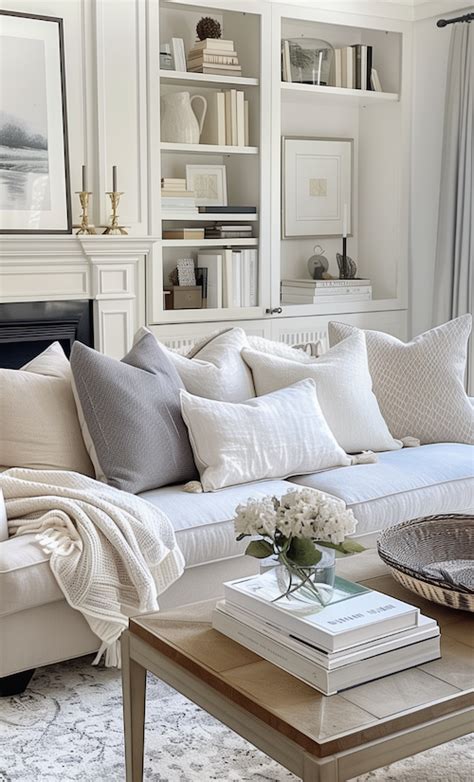
Bulky reclining furniture sometimes carries an undeserved reputation for looking strictly utilitarian or unrefined. Transforming a reclining sofa set into a chic, high-end design element is all about deliberate styling choices. Start by anchoring the furniture with a large, high-texture area rug that extends well past the front legs of the sofa, grounding the piece visually within the room.
Layering is your best tool for softening heavy silhouettes. Drape a lightweight, neutral-toned throw blanket over one corner to break up large expanses of solid fabric. Pair this with a mix of lumbar and square throw pillows featuring contrasting patterns, such as subtle geometric prints or classic stripes. Finally, flank the seating arrangement with stylish accent tables and warm, ambient lighting to draw the eye upward and create a balanced, curated interior environment.
Frequently Asked Questions
What are the main benefits of fabric reclining sofa sets compared to leather?
Fabric reclining sofa sets provide superior tactile warmth, staying comfortable across all seasons without feeling too hot in summer or cold in winter. They also offer endless color and texture variations to match diverse interior aesthetics.
What are performance fabrics and why are they recommended for families?
Performance fabrics are specially treated textiles engineered to repel liquids, resist stains, and withstand heavy everyday wear and tear. They are ideal for households with children and pets because messes clean up easily without ruining the upholstery.
How do I choose the right size reclining sofa set for my living room?
Start by measuring your total room dimensions and mapping out traffic paths. Ensure you account for the extended depth of the recliners when fully open, or choose wall-hugger designs if your space is limited.
What is the difference between manual and power reclining mechanisms?
Manual recliners use a pull-tab or body weight to lock the footrest into position, requiring no electricity. Power recliners use quiet electric motors operated by buttons, allowing for smooth, infinite angle adjustments and often including extra features like USB ports.