Creating a living space that feels both professionally curated and deeply personal often starts long before you select a paint swatch or browse furniture catalogs. Across American homes—from historic brownstones to contemporary suburban open-concept builds—the living room serves multiple roles. It is simultaneously a quiet retreat, a family gathering space, and a hosting area for guests. Synthesizing professional design insights from platforms like Houzz reveals that successful transformations rely on deliberate space planning, balanced lighting, and thoughtful material choices that accommodate everyday life without sacrificing style.
When approaching your living room project, the primary objective is to bridge the gap between aesthetic ambition and daily practicality. Professional designers consistently emphasize evaluating your room’s natural architecture, traffic patterns, and primary functions before spending money. By establishing a clear roadmap that prioritizes spatial flow and foundational investments, you can avoid common pitfalls such as oversized furniture or inadequate lighting, ultimately creating a harmonious room that stands the test of time.
Defining Spatial Flow and Furniture Layouts
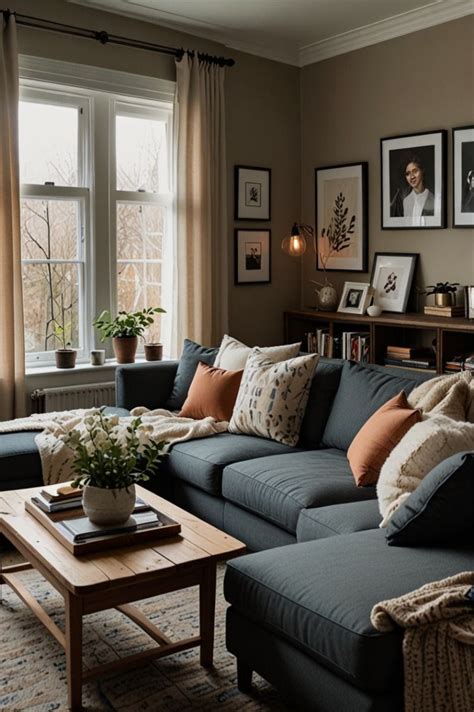
The foundation of any successful living room design is how well the furniture arrangement supports natural movement and social interaction. In many American homes, living rooms must contend with multiple entryways, large windows, or open-concept transitions into the kitchen and dining areas. Before purchasing new pieces, map out your room’s main focal point—whether that is a fireplace, a media wall, or a large picture window—and arrange your primary seating to honor that anchor point.
For open-concept spaces, floating your sofa away from the walls helps define a distinct conversation zone while maintaining an open, airy feel. Make sure to leave at least thirty inches of clear walking path around major furniture groupings to prevent the room from feeling cramped. Incorporating modular sectionals or a mix of a standard sofa and accent chairs provides flexibility, allowing you to easily reconfigure the layout depending on whether you are hosting a large gathering or enjoying a quiet evening at home.
Layering Lighting for Warmth and Versatility
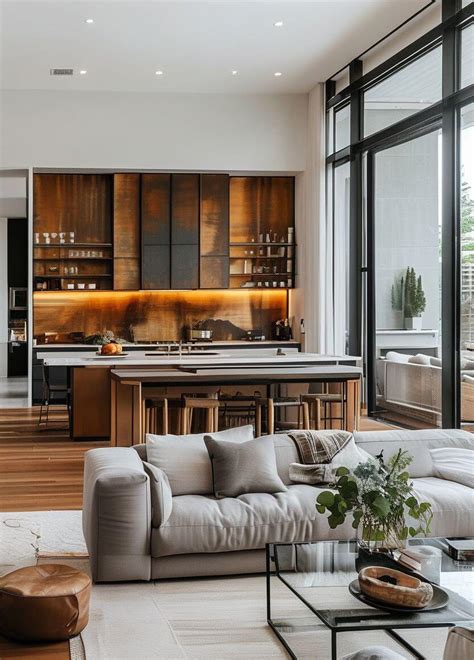
Lighting is frequently underappreciated in residential design, yet it remains one of the most powerful tools for transforming the mood of a space. Professional designers rely on a layered lighting strategy that combines ambient, task, and accent fixtures. Relying solely on a single overhead ceiling light often creates harsh shadows and a clinical atmosphere. Instead, combine recessed overhead dimmers with floor lamps next to reading chairs and table lamps on sideboards to create pools of warm illumination.
Consider the natural light orientation of your room when selecting window treatments and bulb color temperatures. North-facing American living rooms typically receive cooler, bluish light, which benefits from warmer LED bulbs around 2700K and light, reflective window dressings. Conversely, south-facing rooms flood with intense daylight throughout the day, allowing for richer wall colors and sheer drapery that diffuses the brightness without darkening the interior environment.
Selecting Durable Materials and Balanced Textures
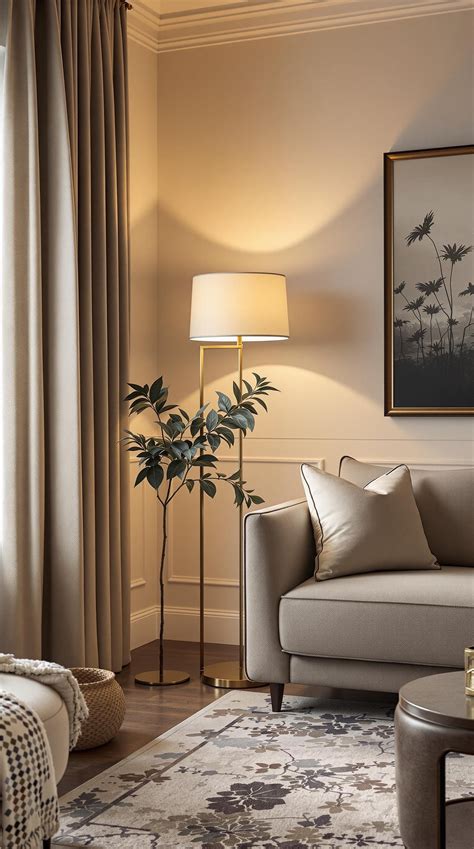
Balancing visual appeal with everyday durability is essential, particularly in households with children, pets, or high foot traffic. Professional guidelines suggest investing in high-wear foundational pieces, such as a sturdy hardwood frame sofa upholstered in performance fabrics, while keeping seasonal accessories more budget-friendly. Performance textiles like treated linens, heavy-duty velvets, and solution-dyed acrylics resist staining and wear remarkably well while maintaining a luxurious hand-feel.
To prevent a room from feeling flat or sterile, introduce a rich mix of tactile elements throughout your decor. Pair a smooth leather armchair with a chunky knit throw blanket, a reclaimed wood coffee table, and a woven jute or plush wool rug. This interplay of textures adds visual depth and tactile warmth, ensuring the room feels inviting and layered rather than staged or overly matched.
Smart Storage Solutions for Clutter Control
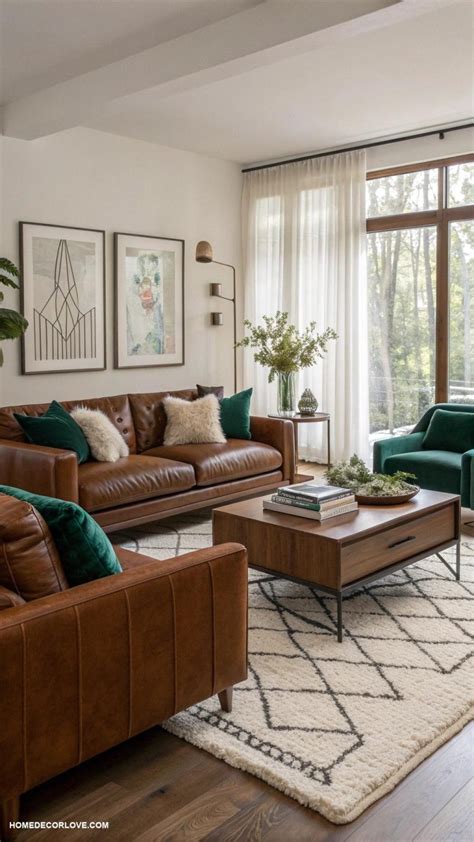
Maintaining a serene environment is difficult when daily clutter accumulates on surfaces. Incorporating clever storage solutions helps keep your living room organized while contributing to the overall design aesthetic. Built-in cabinetry around a fireplace or along a blank wall offers seamless storage for books, electronics, and games, while freestanding media consoles with closed doors hide unsightly cords and digital boxes.
Multifunctional furniture is another excellent strategy for maximizing space without sacrificing style. Storage ottomans can conceal extra throw blankets and pillows while doubling as a footrest or impromptu coffee table when topped with a sturdy tray. By integrating these concealed storage options early in your planning process, you ensure that your living room remains a tidy, calming sanctuary for daily relaxation.
Frequently Asked Questions
How do I choose the right rug size for my living room?
A common mistake in living room design is purchasing a rug that is too small for the seating area. Ideally, all major furniture pieces—including the sofa and accent chairs—should have at least their front legs resting on the rug to anchor the space. For larger rooms, floating the entire furniture grouping completely on the rug creates a luxurious, cohesive boundary.
What is the best way to mix different wood tones in a living room?
Mixing wood finishes adds warmth and collected-over-time character to a space. To do this successfully, keep a consistent undertone—either warm golden tones or cool ash finishes—across the majority of your pieces. Anchor the room with one dominant wood finish, and introduce contrasting tones through smaller accent furniture, picture frames, or decorative objects.
How can renters apply these design principles without making permanent changes?
Renters can achieve a high-end look by focusing on non-permanent updates such as layered area rugs, freestanding lighting fixtures, and curated gallery walls using damage-free hanging strips. Invest in versatile furniture and textiles that can easily move with you to future homes, and use accent pillows, throws, and curtains to inject personality and color into neutral rental spaces.


