When designing a welcoming family room or a formal entertainment space, seating choice dictates both the room’s visual weight and its everyday comfort. Bringing home a matching reclining sofa and loveseat set offers a cohesive look while delivering customizable lounging for multiple household members. Unlike rigid stationary couches, modern reclining sets have evolved far beyond the bulky, overstuffed models of the past. Today’s manufacturers blend sleek architectural lines, low-profile frames, and subtle activation buttons into silhouettes that complement contemporary, transitional, and even minimalist interior designs.
Investing in a coordinated set eliminates the guesswork of mixing mismatched accent chairs or trying to match upholstery dye lots later. However, balancing plush ergonomics with sophisticated decor requires looking past surface impressions. Evaluating frame construction, clearance requirements, upholstery durability, and mechanical type ensures your investment supports both your design vision and your physical comfort for years to come.
Comparing Power and Manual Reclining Mechanisms
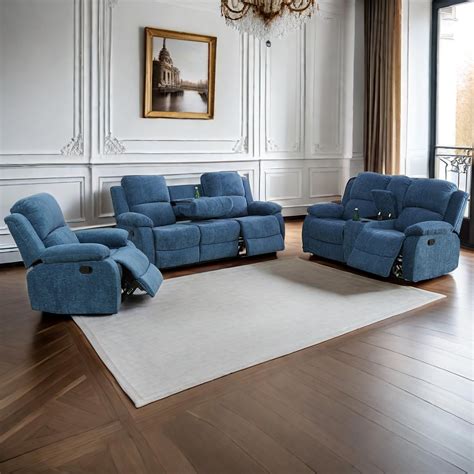
The core mechanical decision for any modern seating investment lies in choosing between traditional manual pull-handles and smooth motorized power systems. Manual reclining sofas typically rely on a side latch or internal body-pressure release to kick the footrest outward. They offer straightforward reliability without dependence on electrical outlets, making them an attractive choice for open-concept rooms where cord placement is tricky.
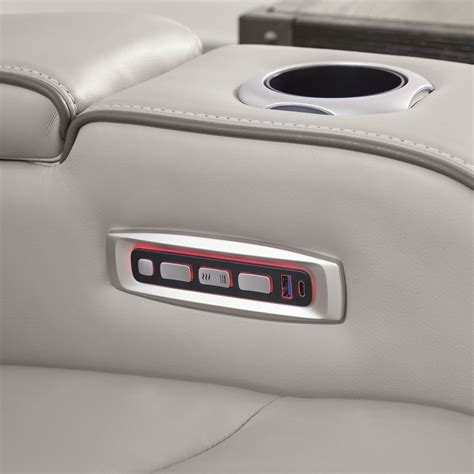
On the other hand, power reclining sofa and loveseat sets provide infinite reclining angles controlled by discreet touch buttons embedded in the armrest. Many power configurations also integrate adjustable motorized headrests and targeted lumbar support, allowing you to fine-tune your posture while reading, watching television, or napping. While power units require proximity to a wall outlet and carry a higher upfront cost, their quiet, fluid movement offers an elevated, effortless user experience that reduces strain on the lower back.
Material Selection and Daily Durability
Upholstery choice defines how your furniture withstands everyday life, influencing everything from temperature regulation to cleaning routines. Genuine top-grain leather provides a luxurious tactile experience that develops a rich patina over time, though it requires regular conditioning and is sensitive to direct sunlight and sharp pet claws. For busy households with children or dogs, high-performance woven fabrics treated with stain-resistant coatings offer a softer, more breathable alternative that resists moisture and snagging.
Microfiber remains a perennial favorite for budget-conscious homeowners seeking velvet-like softness combined with exceptional stain-cleaning capabilities. When evaluating material samples, look closely at foam density ratings within the cushions. High-resiliency foam wrapped in fiber or down blends prevents sagging, ensuring that the seats maintain their supportive loft and tailored appearance even after hours of daily deployment.
Smart Space Planning and Room Layouts
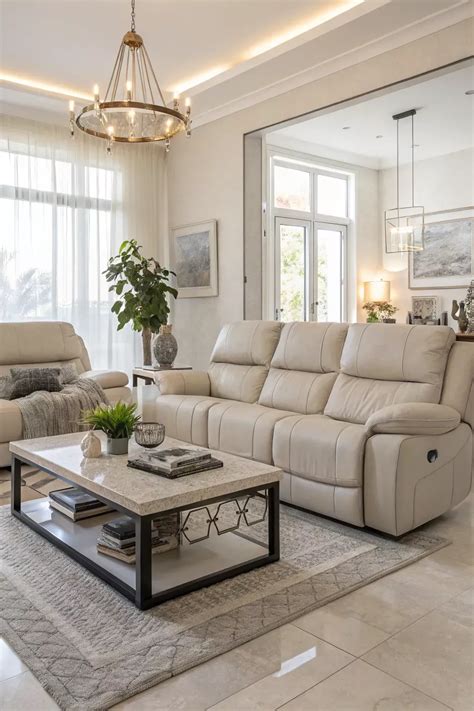
Incorporating a reclining sofa and loveseat set into your floor plan demands careful measuring, particularly regarding operational clearance. Standard reclining furniture requires several inches of open space behind the backrest to fully extend into a laid-back position, which can disrupt traffic flow if placed in the center of a room. Opting for wall-hugger reclining mechanisms resolves this constraint by sliding the seat forward on its track as it reclines, needing only a few inches of wall clearance.
When mapping out your living room layout, ensure that extended footrests do not block pathways to doors, windows, or media consoles. A matching sofa and loveseat pairing works exceptionally well in L-shaped arrangements or facing configurations around a central coffee table, preserving open sightlines while maximizing conversational seating capacity in medium to large rooms.
Frequently Asked Questions
How do I choose between a reclining sofa and loveseat set versus a sectional?
Choosing between a matched sofa and loveseat set and a sectional depends entirely on your room’s dimensions and social flow. A sofa and loveseat configuration offers flexible layout options, allowing you to separate pieces or angle them toward a focal point. Sectionals maximize corner seating in large open-plan spaces but lack the modular placement versatility of separate matching pieces.
How much space do I need to leave behind a wall-hugger recliner?
True wall-hugger reclining furniture is engineered to slide forward on its frame as you recline, drastically reducing the required clearance behind the backrest. While traditional recliners often demand 12 to 18 inches of wall space, wall-huggers typically require only 3 to 6 inches, making them ideal for tighter living room footprints or apartment layouts.
What fabrics are best for homes with pets and kids?
Performance synthetic fabrics, tightly woven chenille blends, and heavy-duty microfiber rank among the best choices for active households. These materials resist snagging from pet claws, repel accidental liquid spills, and clean easily with mild soap and water. Avoid delicate silks, loose weaves, or untreated natural leathers that show scratches and stains easily.


