When planning an extended camping trip, a family reunion, or a luxury backyard glamping setup, standard dome shelters often fall short on space and climate control. Transitioning from lightweight synthetic backpacking models to heavy-duty canvas structures completely redefines what outdoor living can feel like. Homeowners and outdoor enthusiasts across the United States increasingly look toward robust options that offer genuine room division, standing height throughout, and superior weather protection. Understanding how heavy-duty canvas shelters meet these demands helps buyers make informed decisions for their properties and travel itineraries.
Canvas shelters stand apart from nylon alternatives because of their breathability, structural integrity, and ability to regulate internal temperatures across varying regional climates. Whether facing the humid summer air of the Southeast or the crisp autumn winds of the mountain West, a well-constructed canvas tent maintains a comfortable interior environment. By incorporating features like integrated stove jacks and configurable interior space, manufacturers like Elk Mountain have bridged the gap between rustic wilderness camping and comfortable residential-style entertaining.
The Advantage of Canvas Material in U.S. Climates

Synthetic tents often trap condensation, creating damp morning conditions that make extended stays uncomfortable. In contrast, tightly woven cotton canvas allows natural airflow while remaining highly water-resistant. This breathability prevents moisture buildup during chilly nights, ensuring that bedding and personal belongings stay dry throughout multi-day excursions. Furthermore, heavy-duty canvas resists UV degradation much better than lightweight polyester or nylon, making it an excellent investment for individuals who leave setups standing for weeks at a time.
Durability is another major deciding factor for buyers navigating unpredictable American weather patterns. Quality canvas structures feature reinforced stress points, sturdy steel or aluminum framing, and robust waterproofing treatments that shed heavy rain and moderate snowfall. While these tents require a more mindful drying process before packing away to prevent mildew, the payoff in long-term longevity and comfort far outweighs the routine maintenance effort required by the user.
Evaluating Elk Mountain’s Approach to Spacious Living
Elk Mountain Tents has built a reputation among American campers and homesteaders for producing rugged, multi-season shelters designed to withstand demanding environments. Their models typically utilize heavy-duty breathable canvas combined with sturdy pole systems that maximize interior headspace. Unlike traditional A-frame tents that slope steeply toward the ground, these wall tent designs feature nearly vertical side walls, allowing occupants to utilize every square foot of floor space for furniture, storage, and movement.
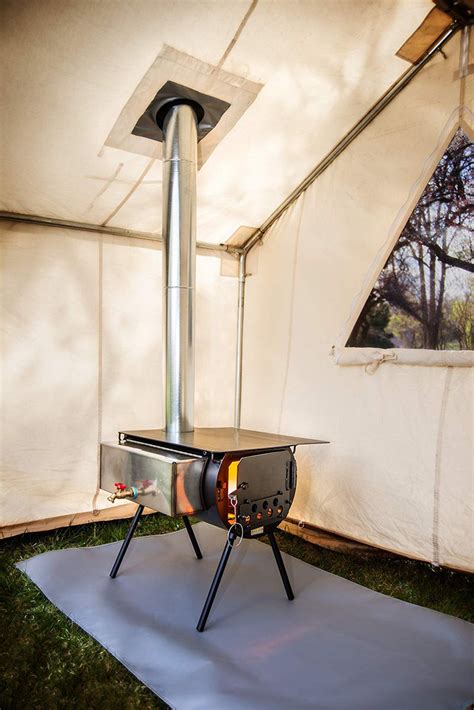
Multi-room functionality is achieved through smart spatial planning, often utilizing zip-in or curtain-style dividers to separate sleeping quarters from communal living or gear-storage areas. This layout flexibility is invaluable for families or groups who value privacy during extended trips. Additionally, built-in stove jacks allow users to safely install wood-burning stoves, transforming the tent into a cozy, four-season shelter capable of handling late-fall hunting trips or winter glamping adventures.
Designing a Functional Multi-Room Layout for Family and Guests

Organizing a large canvas tent requires treating the interior much like a small studio apartment or cabin. Dividing the footprint into distinct zones prevents clutter and improves overall livability during group gatherings. A common and effective layout dedicates one partitioned side to sleeping quarters outfitted with raised cots, storage bins, and personal gear bags, while the opposite side serves as a communal lounge area featuring low chairs, a small table, or a portable heating unit.
Maximizing vertical storage is essential when outfitting a multi-room shelter. Utilizing hanging organizers, wall hooks, and under-cot storage bins keeps walkways clear and prevents tripping hazards in low-light conditions. When entertaining guests or hosting family campouts, establishing clear pathways between the main entrance and the interior zones ensures smooth traffic flow, making the tent feel genuinely welcoming rather than cramped and chaotic.
Portability, Setup Complexity, and Transport Considerations
Because heavy-duty canvas tents prioritize strength and space, they are inherently heavier and bulkier than standard recreational tents. A complete kit typically includes dense canvas walls and roofs, sturdy steel poles, and heavy stakes, which generally require a vehicle with ample trunk space or a roof rack for transport. Homeowners setting up a semi-permanent backyard glamping site will find the weight negligible, but mobile campers must factor in the physical effort required to load, unload, and pitch the structure.
Setting up an Elk Mountain multi-room shelter is best approached as a two-person project, particularly when raising the heavy center or ridge poles. While the initial pitch may take upwards of an hour, familiarization with the pole system and stake placement streamlines subsequent assemblies. Clear instructions and reinforced webbing straps help guide the process, ensuring the canvas is pulled taut to shed wind and water effectively without putting undue stress on individual seams.
Frequently Asked Questions
Are Elk Mountain multi-room tents waterproof?
Yes, the heavy-duty canvas used in these tents is treated to be water-resistant and effectively sheds heavy rain. However, canvas requires a proper initial weathering process where the fibers swell upon first getting wet to seal tiny needle holes naturally.
Can I use a wood stove inside an Elk Mountain tent?
Many models feature built-in stove jacks with fire-retardant material, allowing you to safely install a compatible wood-burning stove for heat and cooking during colder months.
How many people can comfortably sleep in a multi-room setup?
Depending on the specific model size, these tents easily accommodate four to six people with ample room for cots, gear, and shared living space, making them ideal for families and small groups.
How difficult is it to pack down a wet canvas tent?
Packing a wet canvas tent is possible for short-term transport, but the canvas must be completely dried out as soon as possible upon returning home to prevent mold and mildew growth.


