Designing a living room that feels balanced, welcoming, and intentional can often feel like solving a complex puzzle. Sourcing individual armchairs, sofas, coffee tables, and media consoles piece by piece frequently leads to friction in scale, color undertones, and architectural flow. For busy homeowners and renters across the United States, harmonized living room sets offer a streamlined solution. Rather than spending weeks second-guessing whether an oak coffee table matches a walnut side board, a coordinated set provides an instant foundation of visual harmony.
However, the primary concern many modern decorators have with matching furniture sets is the risk of looking like a rigid retail showroom rather than a lived-in home. Achieving professional interior design results with a package deal requires understanding how to balance the built-in cohesion of the collection with personal layers, tactile textures, and thoughtful spatial planning. This guide explores how to select, arrange, and style complete living room collections so your space feels curated, comfortable, and completely authentic to your lifestyle.
What Defines a Truly Harmonized Living Room Set?
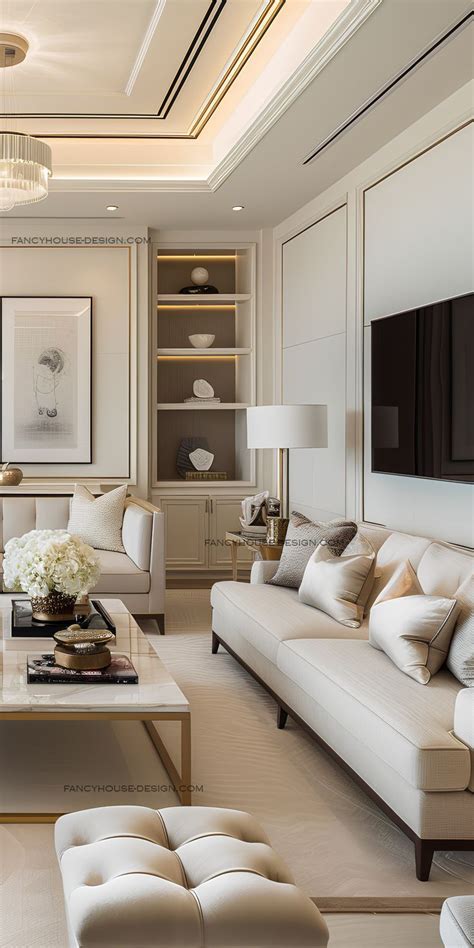
A truly harmonized living room set goes beyond simply matching wood stains or fabric colors from the same retail catalog. True harmonization relies on a deliberate balance of scale, proportion, and complementary textures that anchor the room without overwhelming it. Standard furniture collections typically include a primary seating anchor—such as a sofa or sectional—paired with complementary secondary pieces like a loveseat, accent chair, coffee table, and matching end tables. The secret to a successful collection lies in the subtle dialogue between these elements, where silhouettes share a cohesive design language rather than being carbon copies of one another.
When evaluating furniture packages, it is essential to look closely at the underlying structural framework. High-quality harmonized sets maintain consistent leg styles, hardware finishes, or upholstery weight to ensure the room feels anchored. For example, a mid-century modern set featuring tapered wooden legs and clean, low-profile silhouettes creates an open, airy feeling that works exceptionally well in standard suburban living rooms or compact urban apartments. Understanding these foundational traits helps you distinguish between a collection designed for enduring aesthetic balance and one that merely relies on superficial matching.
Adapting Furniture Sets to U.S. Home Layouts
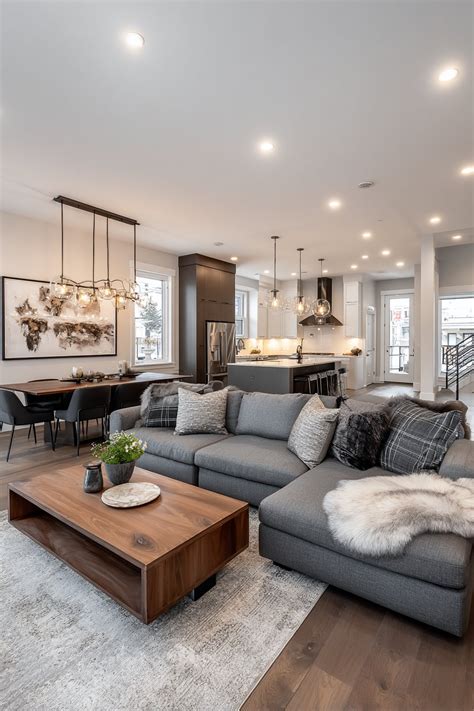
Floor plans across American housing vary dramatically, ranging from narrow historic brownstones and modern metropolitan apartments to sprawling suburban split-levels and open-concept ranch homes. Selecting a furniture set requires careful measurement of your specific architectural layout to ensure traffic flows naturally and sightlines remain unobstructed. In open-concept spaces, oversized sectional-based sets act as architectural dividers, quietly defining the living zone without the need for physical walls. Meanwhile, compact apartments benefit from elevated, leggy sofa and table combinations that allow light to pass underneath, preserving a sense of spaciousness.
Before purchasing any collection, map out your room’s dimensions on paper using painter’s tape on the floor to visualize the exact footprint. Pay close attention to doorways, radiator placements, and television hookups to ensure the anchor sofa and accompanying chairs do not block natural pathways. For rectangular rooms, positioning the main sofa against the longest wall while floating accent chairs opposite creates an intimate conversation pit. In square layouts, an L-shaped sectional paired with a round coffee table softens harsh angles and maximizes corner usability.
How to Modernize and Personalize Matching Collections
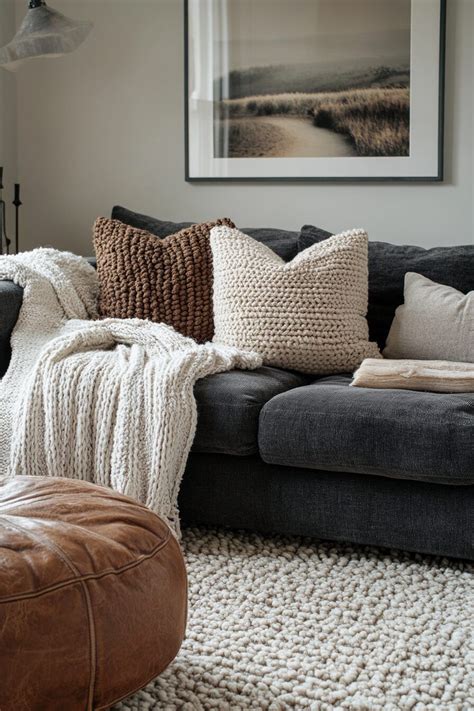
The biggest hesitation buyers face regarding matching sets is the outdated stigma of the monolithic living room suite where every single piece matches identically in heavy fabric and dark wood. To prevent your space from feeling sterile or dated, treat the furniture set as a foundational backdrop rather than the final styling statement. Introduce contrasting textures through your soft furnishings, such as chunky knit throw blankets, patterned lumbar pillows, and woven jute area rugs that break up uniform upholstery lines.
Layering diverse materials is the ultimate secret to making a pre-packaged collection feel uniquely bespoke. If your furniture set features sleek metal frames and neutral linen upholstery, warm up the environment with natural wood shelving, vintage ceramic table lamps, and lush indoor greenery. Swapping out standard hardware on media consoles or side tables with brushed brass or matte black pulls is another simple, non-permanent modification that instantly elevates a standard furniture package into a custom-looking centerpiece.
Balancing Aesthetics and Everyday Functionality
A living room is, above all, a living space meant to withstand the daily realities of relaxation, family gatherings, and high-traffic usage. When investing in a furniture set, aesthetic appeal must be weighed against practical durability, especially for households with children or pets. Performance fabrics such as stain-resistant microfibers, tightly woven chenille, or genuine top-grain leathers offer longevity and easy maintenance without sacrificing tactile luxury or visual warmth.
Consider how the individual pieces in the collection support your daily routines. If your household frequently hosts movie nights or casual gatherings, prioritize a sectional set with deep, supportive cushioning and modular flexibility. For smaller households that double their living rooms as home offices or hobby spaces, look for furniture sets that incorporate hidden storage ottomans or lift-top coffee tables to keep clutter neatly concealed. Harmonized living room sets should ultimately serve your lifestyle, offering a seamless blend of everyday comfort and enduring visual appeal.
Frequently Asked Questions
Are matching living room sets considered outdated?
Matching sets are no longer outdated when approached correctly; the key is avoiding rigid, monolithic suites. Modern interior design embraces curated collections when they are personalized with varied textiles, contrasting rugs, lighting, and unique decorative accessories that break up uniform surfaces.
What pieces are typically included in a standard living room set?
Standard living room packages usually feature a primary anchor sofa or sectional, often paired with a matching loveseat or accent chair. Many comprehensive collections also bundle complementary surface furniture, such as a center coffee table and one or two matching end tables.
How do I make a pre-packaged furniture set look custom-designed?
You can elevate a matching furniture set by introducing contrasting elements that disrupt uniformity. Layer in textured throw pillows, patterned rugs, diverse lighting fixtures, and natural wood or ceramic accessories to infuse individual personality into the room.
What should I measure before buying a living room furniture set?
Always measure your room’s overall length and width, accounting for architectural features like radiators, fireplace hearths, and doorways. Additionally, measure your home’s entryways and hallways to ensure large anchor pieces like sofas and sectionals can easily fit through your front door.


