Grey tiles offer an exceptional balance of contemporary style and timeless durability for modern living rooms. When homeowners look beyond traditional hardwood and carpet, grey tile surfaces introduce clean architectural lines, sophisticated neutral backdrops, and remarkable versatility. Whether you are planning a complete structural overhaul or looking to refresh a single feature wall, integrating grey tile requires careful attention to undertones, room scale, and lighting conditions to ensure the space remains warm and inviting.
Successfully styling grey tiles in a primary gathering space involves blending hard surfaces with plush textiles, warm wood tones, and thoughtful illumination. Because grey spans a broad spectrum from pale dove to deep charcoal, it adapts effortlessly to minimalist, industrial, transitional, and even rustic interior design themes. The key is understanding how different finishes and tile formats interact with natural daylight and artificial fixtures in your specific home environment.
Choosing the Right Shade and Undertone
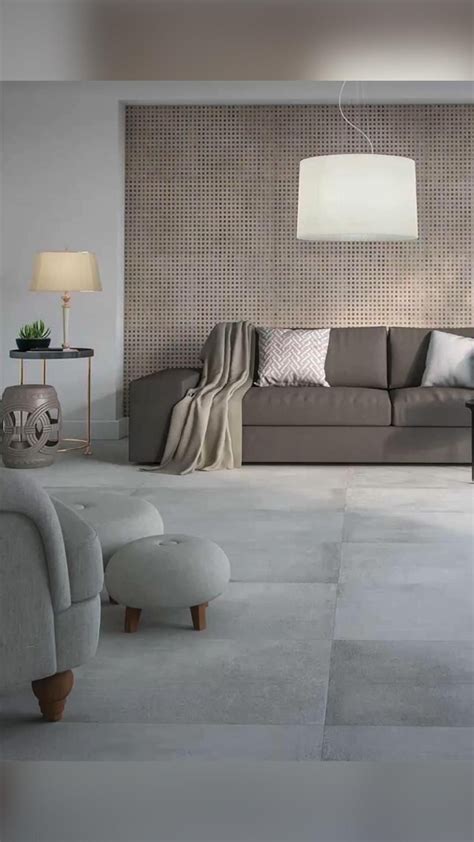
The foundation of any successful tile project begins with selecting the correct shade of grey. Cool grey tiles featuring blue or green undertones naturally complement spaces flooded with abundant, warm sunlight, helping to temper excessive brightness and create a crisp, modern atmosphere. Conversely, warm greys with subtle brown or beige undertones—often referred to as greige—prevent north-facing or dimly lit living rooms from feeling sterile or uninviting.
When evaluating tile samples, always view them vertically on the wall and horizontally on the floor under your living room’s actual lighting conditions. Lighting temperature plays a dramatic role in how grey pigments are perceived throughout the day. Natural sunlight will reveal truer neutral tones, while warm incandescent or soft LED lighting can push a neutral grey toward a warmer, cozier hue. Selecting the right shade from the start ensures your living room maintains a welcoming character rather than feeling like a commercial showroom.
Designing with Grey Floor Tiles
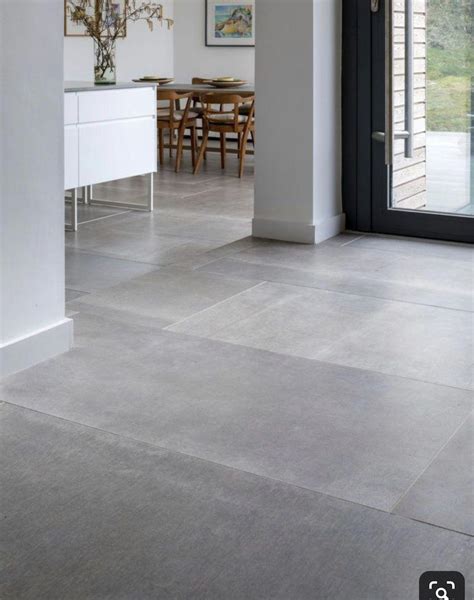
Laying grey tiles across the living room floor creates a durable, low-maintenance surface that stands up wonderfully to heavy foot traffic, pets, and everyday family life. Large-format grey porcelain or ceramic tiles minimize grout lines, creating an expansive, uninterrupted visual flow that makes modest living rooms appear significantly larger and more open. To counteract the inherent hardness and coolness of tile flooring, layer the space with generous area rugs crafted from natural fibers like wool, jute, or thick cotton.
Surface finish is another critical decision for living room floors. Polished tiles reflect light beautifully and add an instant touch of luxury, but they can become slippery when wet and tend to show dust and footprint smudges more readily. Matte or textured honed finishes offer superior slip resistance and a more grounded, tactile feel underfoot while effortlessly masking everyday wear and tear. Pairing matte grey floors with warm leather seating and wooden coffee tables creates a stunning balance of textures.
Elevating Walls with Grey Tile Accents
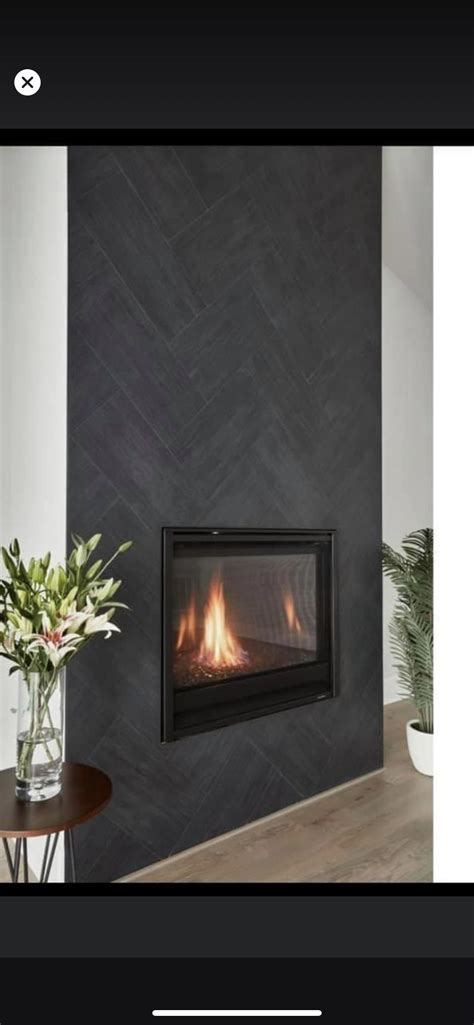
Using grey tiles on living room walls introduces unexpected architectural depth and texture. Rather than tiling an entire room—which can feel overwhelming—focus on high-impact focal points such as a modern fireplace surround, a media wall, or a sophisticated architectural alcove. Textured stone-look grey tiles or dimensional geometric designs turn a standard drywall surface into a striking gallery-like feature that anchors the entire room layout.
To avoid a cold or institutional aesthetic, pair vertical grey wall tiles with contrasting organic elements. Warm brass or matte black light fixtures, floating walnut shelving, and lush green houseplants breathe life into grey-tiled feature walls. If you are incorporating a half-wall tile design, transition smoothly into soft, warm wall paint colors above the chair rail to keep the overall atmosphere cozy and residential.
Maintenance and Long-Term Care
Maintaining grey living room tiles is remarkably straightforward compared to carpet or delicate hardwood flooring. Regular sweeping or vacuuming with a soft brush attachment removes surface dust and grit that might otherwise abrade the finish over time. Routine damp mopping using a pH-neutral cleaner keeps both matte and polished tiles looking pristine without stripping protective sealants from natural stone varieties.
Grout maintenance remains the primary consideration for tile longevity. Applying a high-quality penetrating grout sealer shortly after installation prevents dust, spills, and everyday oils from discoloring light grey grout lines. For dark charcoal grout, ensure you use cleaners designed specifically for color-sealed joints to prevent fading. With minimal upkeep, grey tile surfaces will maintain their sophisticated appearance for decades of daily living.
Frequently Asked Questions
How do I choose between matte and polished grey tiles for a living room?
Matte grey tiles offer better slip resistance, feel more grounded, and hide dust and smudges easily, making them ideal for high-traffic family living rooms. Polished tiles reflect light and add elegance, but require more frequent cleaning and can feel slick.
Will grey tiles make my living room look cold or uninviting?
Grey tiles can sometimes feel cool, but this is easily counteracted. Choose warm greige undertones, incorporate plush area rugs, add warm wood furniture, and use soft layered lighting to ensure the space remains cozy.
Are large-format tiles better for small living rooms?
Yes, large-format tiles feature fewer grout lines, which tricks the eye into seeing a more continuous, expansive surface. This visual continuity helps small living rooms feel significantly more open and less cluttered.


