Grey floor tiles have steadily become a favorite foundation for modern American living rooms, offering a neutral yet sophisticated canvas that adapts to countless design directions. Unlike traditional hardwood or wall-to-wall carpeting, tile provides exceptional durability and a sleek, architectural look that instantly elevates open-concept spaces. However, the primary challenge homeowners face is preventing a hard tile surface from feeling cold or uninviting. By carefully mapping out your design philosophy—balancing the cool undertones of grey tile with strategic layers of textiles, thoughtful furniture placement, and appropriate regional considerations—you can achieve a space that is both exceptionally elegant and deeply welcoming.
When designing an American-style living room around tile, the overarching philosophy centers on creating friction between sleek architectural hard surfaces and cozy, lived-in comfort. This approach relies heavily on tactile contrast. For instance, pairing a smooth, large-format porcelain tile with heavily textured fabrics, exposed wooden beams, or plush seating keeps the room anchored in a warm, domestic atmosphere rather than looking like a commercial showroom. Understanding how to manipulate light, texture, and color transitions will ultimately define the success of your tile installation.
Selecting the Right Shade of Grey, Finish, and Grout
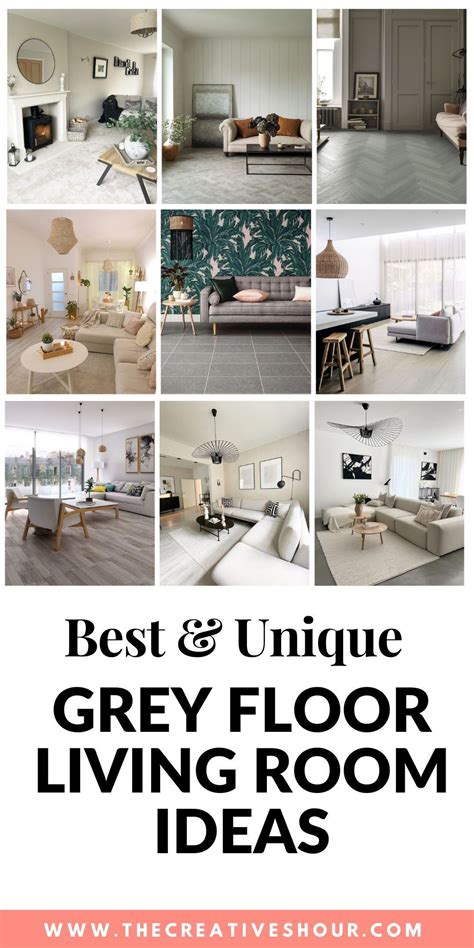
The foundation of a successful tile design begins with choosing the precise shade of grey that suits your home’s natural light and geographical location. In sun-drenched southern regions of the United States, cooler, lighter grey porcelain tiles with subtle stone-look veining help bounce natural sunlight around the room while keeping the environment visually refreshing. Conversely, homes in northern states dealing with long, chilly winters often benefit from warmer greys featuring taupe or beige undertones, which naturally counteract the bluish cast of weaker winter daylight.
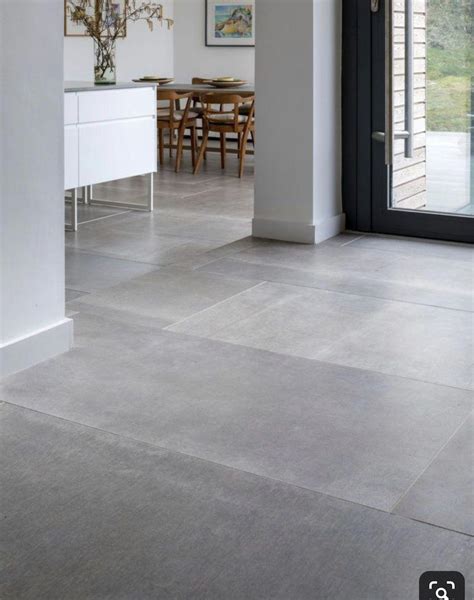
Beyond the tile body itself, the choice of finish and grout color dramatically impacts the room’s final appearance. Matte or textured stone-effect finishes offer a softer visual weight and superior slip resistance compared to high-gloss alternatives, which can show footprints easily under bright recessed lighting. When selecting grout, matching the grout lines closely to the tile color creates a seamless, monolithic floor slab that expands the visual boundary of smaller suburban living rooms. Alternatively, a slightly contrasting medium-grey grout can subtly define individual tile shapes without creating harsh, distracting grid lines that disrupt the room’s flow.
Beyond climate and grout chemistry, consider the scale of your living room and its overall layout. Large-format tiles measuring 24×24 inches or larger create expansive, continuous surfaces with fewer visual interruptions, making compact spaces feel remarkably open and airy. On the other hand, patterned cement or encaustic-style grey tiles work wonderfully as a striking focal point in transitional or craftsman-style homes, provided they are balanced with simpler surrounding decor to avoid visual clutter and overwhelming the eye.
Balancing Hard Surfaces with Cozy American Seating and Textures
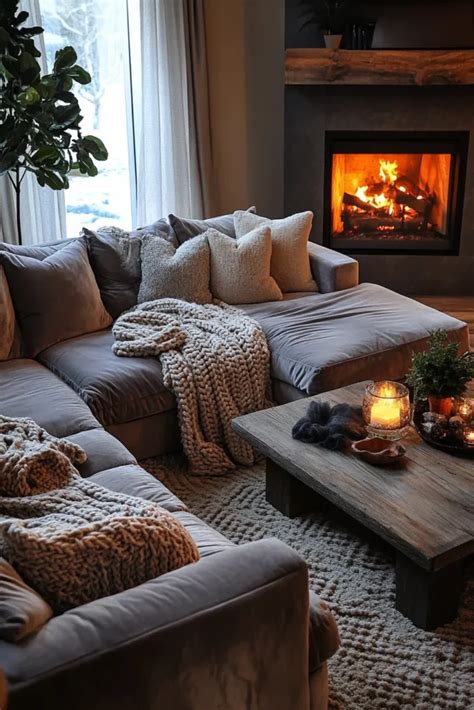
One of the most effective ways to warm up a grey-tiled living room is through your choice of upholstered furniture and tactile fabrics. Classic American living rooms prioritize comfort above all else, so pairing rigid stone or porcelain floors with deep, plush sectional sofas in warm neutrals like oatmeal, cream, or rich camel leather instantly establishes a harmonious visual and physical contrast. Incorporating natural wood elements, such as a reclaimed coffee table, exposed shelving, or a solid oak media console, breaks up the monochromatic expanse and introduces vital organic warmth.
Area rugs serve as an absolute necessity rather than a mere decorative accessory when designing with hard flooring. In a spacious US living room, opt for a generously sized rug—such as an 8×10 or 9×12 layout—that allows the front legs of your sofa and accent chairs to rest comfortably upon it. Thick wool, textured jute, or vintage-inspired distressed rugs not only anchor the seating arrangement acoustically and visually by dampening echo, but they also offer a soft, welcoming surface underfoot that completely transforms the tactile experience of the room.
Lighting Strategies and Practical Maintenance Considerations
Because grey floor tiles reflect light differently than wood or carpet, layering your illumination is crucial for creating a cozy evening atmosphere. Combine recessed overhead lighting with warm table lamps, floor lamps, and natural window light to ensure the room never feels sterile. Dimmable fixtures allow you to adjust the mood instantly, casting a soft glow across the tile’s texture during family movie nights or relaxed weekend gatherings while preventing harsh glare from bouncing off semi-polished tile surfaces.
From a practical standpoint, high-traffic family rooms demand materials that withstand daily wear from children, pets, and frequent entertaining. High-quality porcelain tiles glazed with a matte or textured finish offer superior slip resistance and scratch durability compared to polished stone or standard ceramic. Routine maintenance simply involves regular sweeping and damp mopping with a neutral cleaner, making grey tiles a remarkably low-maintenance, long-lasting investment for busy households that do not want to sacrifice style for everyday functionality.
Frequently Asked Questions
How do I keep grey floor tiles from making my living room look cold?
You can prevent grey tiles from feeling sterile by layering warm textures throughout the space. Incorporate plush upholstered furniture, large wool or jute area rugs, natural wood tones in your coffee and side tables, and warm-toned lighting fixtures rather than harsh bright white bulbs.
What grout color should I choose for grey living room tiles?
Choosing a grout color that closely matches the tile creates a seamless, expansive look. If you want a more traditional grid definition, select a slightly lighter or darker grey shade, but avoid stark white grout which shows dirt quickly and creates a harsh visual grid.
What furniture colors and materials work best with grey living room floors?
Neutral upholstery shades like cream, beige, oatmeal, and warm earth tones pair beautifully with grey floors. Leather furniture in cognac or tan adds an inviting richness, while wooden accents and brushed brass or black metal hardware complete the look.
Are grey floor tiles practical for high-traffic American living rooms?
Yes, especially when you choose durable matte-finish porcelain or high-grade ceramic tiles. They resist moisture, heavy foot traffic, and pet claws much better than traditional carpeting, while showing less dust and everyday debris than ultra-dark flooring options.


