Creating a truly welcoming home goes beyond simply filling empty corners with furniture; it requires thoughtful curation that balances visual appeal with daily utility. Among all furnishings, tables serve as the anchors of daily living. They hold your morning coffee, anchor your conversational layout, and display the personal objects that tell your story. Selecting the right tables means understanding how form and function interact within your specific room dimensions and daily routines.
Whether you are outfitting a compact urban apartment or a sprawling suburban family room, investing in the right pieces transforms a generic house into a personalized home. By establishing a clear vision of your aesthetic preferences and evaluating how you actually use your space, you can avoid impulse purchases and build a cohesive environment that feels both sophisticated and deeply livable over the long term.
Identifying Your Core Aesthetic and Layout Needs
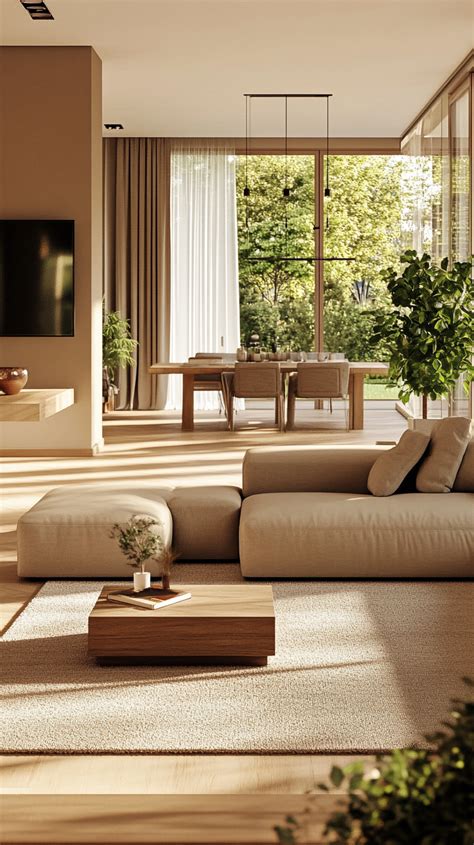
Before browsing furniture catalogs or visiting showrooms, take time to evaluate your existing architecture, lighting, and lifestyle habits. Every successful room curation begins with an honest assessment of spatial limitations and traffic flow. If you share your home with energetic pets or young children, delicate glass surfaces or fragile lacquer finishes might introduce unnecessary stress into your daily routine. Prioritizing durable, tactile materials ensures your investment withstands real life while looking effortlessly chic.
Your personal design style should also dictate your furniture silhouettes. A minimalist interior benefits from low-profile, clean-lined tables that maintain an airy visual horizon, while a traditional or transitional space thrives on richer wood grains, turned legs, and classic proportions. Matching your tables to your architectural shell creates an underlying harmony that makes even mismatched decor look intentional and professionally styled.
The Essential Trio: Coffee, Accent, and Console Tables
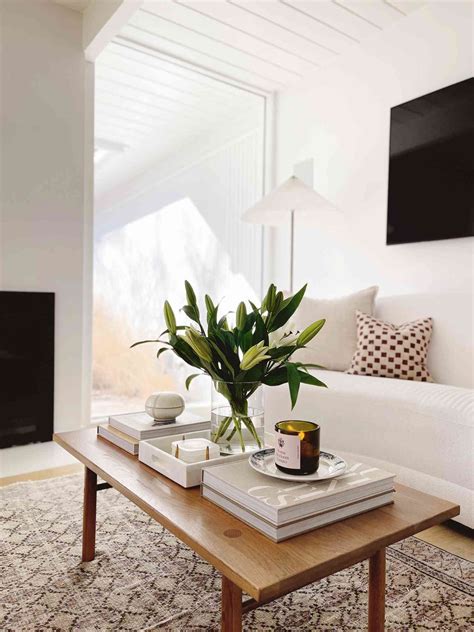
Most functional living spaces rely on three core table types to operate efficiently. The coffee table serves as the physical and visual centerpiece of your seating arrangement, anchoring the sofa and armchairs. When selecting a coffee table, aim for a piece that leaves roughly eighteen inches of clearance around the perimeter, allowing comfortable legroom and smooth passage through the room.
Accent tables and console tables complete the foundational framework of the room. Side tables and round accent stools provide necessary landing spots for reading lamps and beverages next to seating areas, preventing clutter on the main coffee table. Meanwhile, console tables placed behind a floating sofa or against an empty wall offer valuable surface area for vertical styling, hidden storage baskets, and ambient lighting, effectively drawing the eye upward and defining distinct functional zones within an open-concept floor plan.
Mastering Material Mixes and Finish Coordination
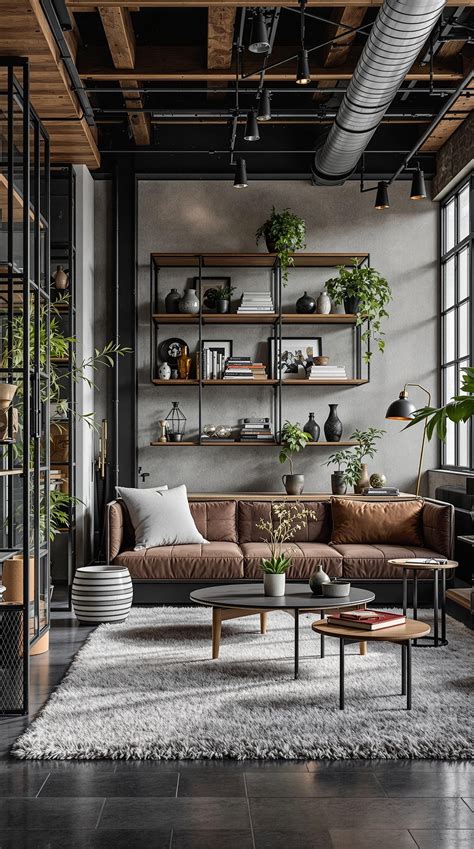
A common mistake in interior styling is matching every single wood tone and metal finish in a room, which can quickly make a space look flat and sterile. Curating an authentic, designer-level look involves intentionally layering diverse materials. Pair a warm walnut coffee table with brushed brass floor accents, a travertine side table, and textured natural fiber rugs to introduce depth and tactile interest.
When mixing wood grains, ensure they share a similar underlying undertone—either warm, cool, or neutral—even if the grain patterns differ. Keeping one dominant material constant, such as a repeating matte black metal frame across multiple table styles, helps tie disparate pieces together into a unified composition. This thoughtful layering prevents visual monotony and allows your living space to evolve naturally over time.
Frequently Asked Questions
What is the ideal height relationship between a coffee table and a sofa?
As a general rule of thumb, your coffee table should be roughly the same height as your sofa seat cushions, or up to two inches lower. This ensures easy reach when sitting down and prevents the table from visually cutting off the room’s sightlines.
How can I incorporate different wood finishes without making the room look messy?
To successfully mix wood finishes, anchor the room with one dominant wood tone and use secondary pieces in contrasting light or dark woods as accent elements. Ensure the undertones match, meaning warm golden woods stay with other warm woods rather than mixing with stark gray-toned driftwood.
What are the best table options for a small apartment living room?
In compact spaces, prioritize nesting tables, glass-topped tables, or round pieces without sharp corners. Nesting tables can be pulled apart when you need extra surface area for guests and neatly tucked away to maximize floor space during the rest of the week.


