Designing a living room that successfully marries visual elegance with daily livability is a rewarding challenge for many American homeowners and renters. While showroom displays often feature pristine seating arrangements that look museum-ready, real life in a U.S. home calls for pieces that withstand movie nights, pets, family gatherings, and quiet weekend reading sessions. Achieving this balance requires thoughtful curation rather than simply buying a matching living room suite straight off the showroom floor. By intentionally selecting a sophisticated sofa and pairing it with complementary accent chairs, you establish a harmonious space that feels both welcoming and refined.
The foundation of any inviting room begins with understanding your spatial dimensions and lifestyle habits. American living rooms vary widely, from open-concept suburban layouts with soaring ceilings to compact urban apartments where every square foot counts. Curated comfort means evaluating how much physical space your seating will occupy while leaving enough clearance for natural traffic paths. When you choose pieces with proper proportions, clean silhouettes, and supportive construction, your living room naturally encourages relaxation without ever sacrificing upscale interior style.
Defining Elegance in Modern U.S. Living Rooms
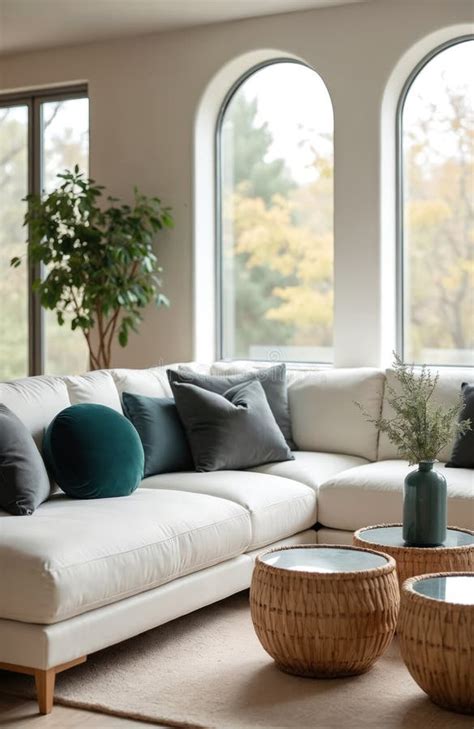
Elegance in contemporary American interior design has shifted away from stiff, formal parlor aesthetics toward relaxed sophistication. Today’s refined living room relies on clean architectural lines, sophisticated neutral color palettes, and rich tactile depth rather than ornate carvings or delicate fabrics that require constant upkeep. A truly elegant sofa features a balanced silhouette—perhaps a subtle tuxedo arm, a tailored English roll arm, or a sleek mid-century wooden frame—that anchors the room without overwhelming it visually.
Achieving this look also involves considering how the seating interacts with natural light and surrounding architectural elements. In many U.S. homes featuring large windows and open floor plans, low-profile sofas prevent sightlines from being blocked, maintaining an airy, expansive atmosphere. Choosing pieces with exposed wood legs or elevated metal bases adds a sense of lightness, making even modest living spaces feel more open, intentional, and high-end.
The Role of Proportion and Scale
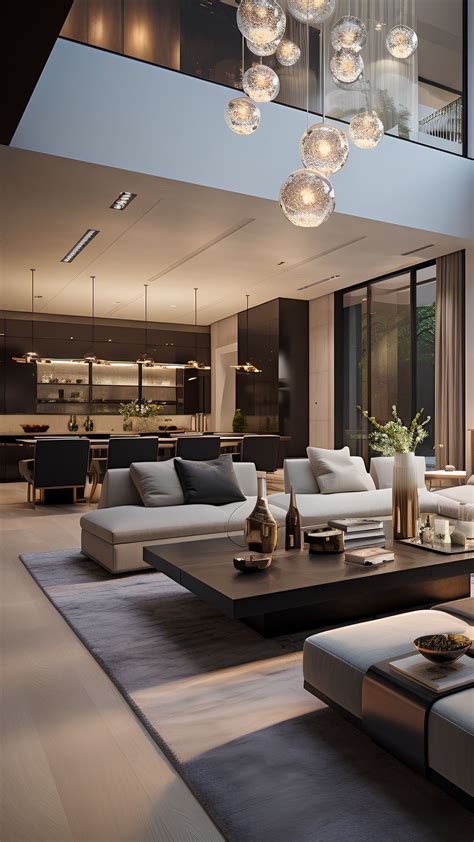
Proportion is the silent framework of interior design. A massive sectional might overwhelm a narrow suburban living room, while a petite loveseat can look entirely lost in an expansive open-concept great room. Always measure your room dimensions and map out pathways before purchasing oversized furniture. Leave at least thirty inches of clear walking space around major furniture items to maintain natural flow.
Ceiling height should also influence your selection. Rooms with high ceilings benefit from sofas with higher backs or vertical channel tufting that draws the eye upward, balancing the vertical volume of the room. Conversely, rooms with standard or low ceilings look much more balanced when paired with streamlined, low-slung seating options.
Matching Sofa Sets and Accent Chairs for Visual Harmony

The days of purchasing rigid, matching three-piece living room sets are largely behind us. Modern interior curation embraces the curated look, where the main sofa and companion accent chairs converse rather than replicate each other. This approach introduces character, depth, and personality to your living area. If your primary sofa features a solid, textured neutral upholstery, you can introduce a pair of dynamic accent chairs in a complementary pattern, a contrasting leather tone, or a bolder jewel-toned fabric.
When pairing seating pieces, maintaining a shared design thread is essential. If your sofa features modern tapered wooden legs, look for accent chairs that incorporate similar wood tones or metallic finishes. This subtle consistency ties disparate pieces together into a unified composition. Additionally, consider the visual weight of the chairs; heavy velvet armchairs can balance a substantial leather sofa, while delicate cane-back chairs suit lighter, slipcovered sofas.
Selecting Complementary Chair Silhouettes
Armchairs serve distinct functions depending on their shape and scale. A deep-seated club chair offers ultimate lounging comfort, making it an ideal companion for a sleek, structured sofa. On the other hand, a slender barrel chair or an upholstered slipper chair takes up minimal visual space while offering a stylish spot for conversation.
Mixing shapes breaks up the boxy geometry common in many living rooms. If your sofa features strong horizontal lines and rectangular cushions, pairing it with a curved, organic armchair softens the overall aesthetic and creates a more dynamic, inviting arrangement for guests and family members alike.
Fabric and Material Choices for Durability and Style
The longevity and tactile appeal of your living room seating depend heavily on upholstery choices. In active U.S. households, fabric selection is a practical decision as much as an aesthetic one. Performance fabrics have revolutionized upholstered furniture, offering the luxurious look of linen, velvet, or textured chenille combined with advanced stain-resistant and moisture-repelling technology. These textiles allow homeowners to embrace lighter color palettes, such as cream, ivory, or soft taupe, without living in constant fear of spills.
Natural leather remains a timeless choice that develops a rich patina over time, adding warmth and character to traditional and modern spaces alike. However, leather requires periodic conditioning and can feel temperature-sensitive in climates with extreme seasonal shifts. Woven textiles like tweed, boucle, and heavy cotton blends introduce wonderful tactile contrast, inviting you to touch and settle in while standing up to everyday wear and tear.
Balancing Softness and Structural Support
Comfort is not just about a plush surface feel; it requires robust internal construction. High-resiliency foam cushions wrapped in down-alternative or feather-down blends offer the ideal combination of support and sink-in comfort. Look for kiln-dried hardwood frames joined with mortise-and-tenon construction, as these ensure your seating investment remains sturdy and squeak-free for years to come.
Consider cushion fill maintenance as part of your decision-making process. Foam cores require minimal fluffing and retain crisp lines, while feather-blend cushions demand occasional plumping to maintain their relaxed, casual elegance. Understanding your household’s maintenance preferences will guide you toward the right internal construction.
Arranging Seating for Entertaining and Daily Relaxation
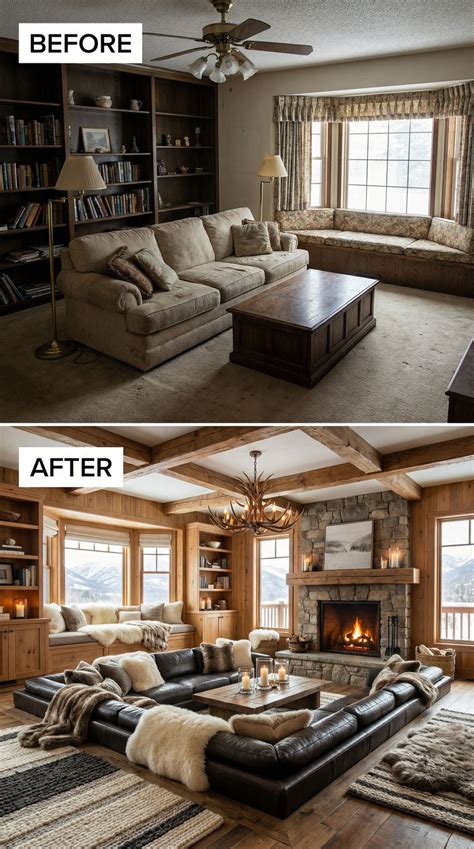
Furniture arrangement dictates how a room functions day to day. In most American homes, the living room serves multiple masters: a cozy media room for movie nights, a quiet reading nook, and a conversational hub for hosting friends. To accommodate these diverse activities, arrange your sofa and chairs to foster connection. Avoid pushing all your seating flat against the perimeter walls; instead, pull furniture inward to create an intimate conversation cluster.
Create distinct zones by anchoring the seating arrangement with a generously sized area rug that captures at least the front legs of all major pieces. Position the sofa as the primary focal point—often facing a fireplace, media console, or large window—and angle your accent chairs inward to close the conversational circle. This layout ensures that anyone sitting in the chairs can comfortably converse with people on the sofa without craning their necks.
Traffic Flow and Functional Clearance
No matter how stylish your seating arrangement appears, it will fail if it disrupts movement through the home. In open-plan layouts, ensure clear walkways connect entryways, kitchens, and adjoining hallways without forcing family members to squeeze past coffee tables or the backs of chairs.
Maintain an appropriate distance between the sofa and accent chairs—typically between three to six feet—to allow for comfortable dialogue while leaving enough legroom. Placing a functional coffee table or a pair of nesting side tables within easy reach of every seat guarantees that drinks, books, and lamps are always accessible.
Frequently Asked Questions
How do I choose a sofa set that balances elegance and comfort?
Look for furniture that combines supportive internal construction—such as high-resiliency foam and kiln-dried hardwood frames—with tailored silhouettes and soft, tactile upholstery. Balance sleek lines with plush cushions to achieve an upscale look that still invites everyday lounging.
What are the best chair styles to pair with a modern sofa?
The best companion chairs depend on your sofa’s scale and design. Club chairs add substantial comfort, while barrel or slipper chairs introduce curves and save visual space. Ensure a unifying design thread, such as matching wood tones or metal finishes, connects the pieces.
How can I arrange seating for both entertaining and relaxing in a standard U.S. living room?
Pull your sofa and accent chairs away from the walls and angle them inward around a central focal point like a fireplace or media unit. Use an appropriately sized area rug to anchor the arrangement, and maintain clear walking paths around the perimeter.
Which fabrics offer the best combination of luxury and durability?
High-performance wovens, treated velvets, and top-grain leathers offer exceptional durability for active households while maintaining a luxurious aesthetic. Performance fabrics resist stains and wear, making lighter neutral colors practical for everyday family life.


