Transforming an apartment living room into a sophisticated sanctuary requires a balance between aesthetic vision and spatial reality. Across American metropolitan and suburban rentals, common challenges such as stark white walls, limited square footage, and restricted natural light often hinder personal style. However, achieving a high-end, cohesive interior does not require a complete architectural overhaul or a limitless budget. By focusing on intentional color selections, multi-functional furniture arrangements, and strategic soft furnishings, any living room can reflect modern design sensibilities while remaining fully adaptable to lease agreements.
The secret to a polished apartment interior lies in editing rather than accumulating. Modern US design trends favor a curated approach that blends clean architectural lines with tactile warmth. Whether working with a compact footprint in a historic brownstone or a modern high-rise open-concept floor plan, establishing clear focal points and harmonious textures creates an immediate sense of luxury and calm. The following actionable design strategies offer a blueprint for upgrading your living space with confidence and style.
Establishing a Sophisticated and Grounded Color Palette

Color sets the emotional tone of an interior, and in contemporary US apartments, the most successful schemes balance neutral foundations with rich, earthy undertones. Moving away from stark clinical whites, designers increasingly favor warm alabaster, soft taupe, or subtle clay washes on walls. These tones bounce available natural light around the room, making compact spaces feel expansive while offering a versatile backdrop for changing seasonal decor.
To prevent a neutral room from feeling flat, introduce depth through a monochromatic layering strategy or subtle contrasting elements. Incorporate deep charcoal, muted olive green, or rich terracotta through accent furniture, ceramic accessories, or structured window treatments. This creates visual gravity, ensuring the space feels thoughtfully designed rather than hastily assembled. For renters dealing with restrictive paint policies, achieving this depth through oversized canvas art, removable wallpaper accents, and statement textiles provides an effective workaround.
Curating Multi-Functional and Scalable Furniture Layouts
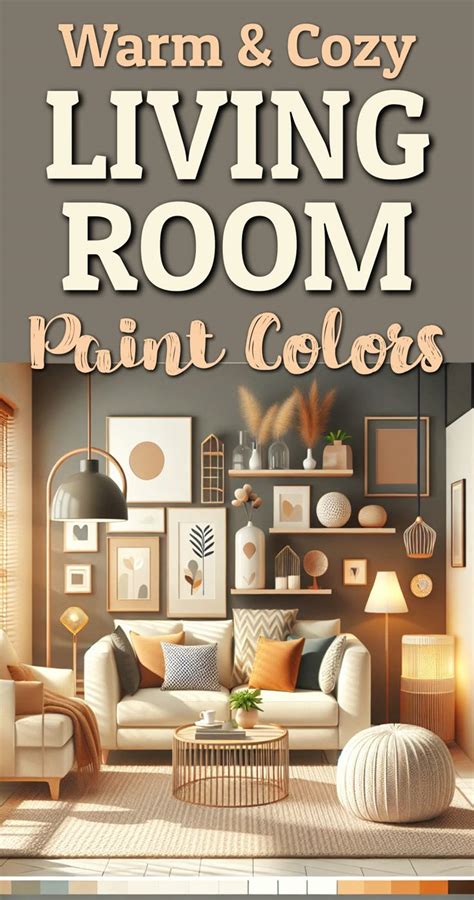
Apartment floor plans frequently demand hardworking furniture that serves multiple purposes without cluttering the visual field. Choosing pieces with exposed legs, such as mid-century modern sofas or slender console tables, allows light to flow underneath, tricking the eye into perceiving a larger room. Modular sectionals or loveseats paired with versatile accent chairs offer flexible seating arrangements that adapt easily whether you are hosting guests or enjoying a quiet evening at home.
Table selection is equally critical for maintaining an open traffic flow. Instead of a bulky, oversized coffee table, consider pairing nesting tables that can be pulled apart when entertaining and tucked away when floor space is at a premium. Integrating storage ottomans or a sleek bench beneath a window adds functional utility while keeping everyday clutter neatly concealed out of sight.
Layering Lighting for Ambiance and Functional Depth
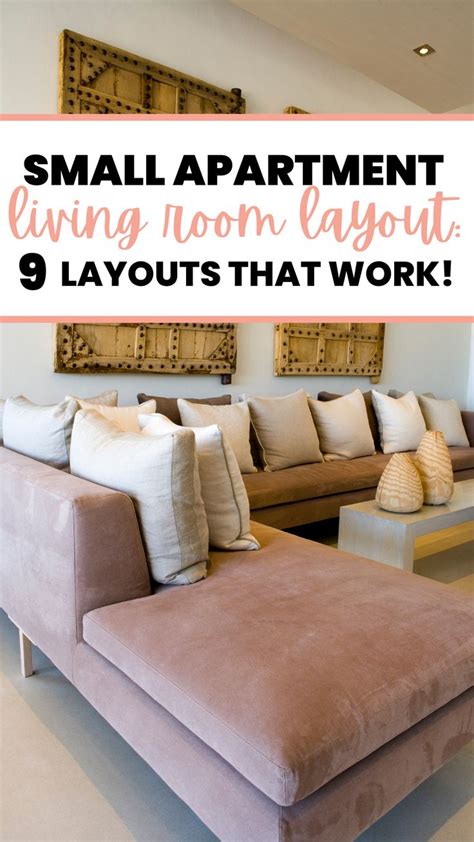
Standard apartment lighting often relies on a single, unflattering overhead flush mount that casts harsh shadows. Elevating the atmosphere of a living room requires replacing this singular source with a thoughtful, multi-tiered lighting plan. Combine ambient floor lamps, targeted task lighting for reading corners, and warm accent lighting like table lamps or rechargeable picture lights.
Introduce dimmable smart bulbs into your existing fixtures to instantly alter the mood from bright and energizing during the day to soft and intimate by evening. Wall-mounted plug-in sconces offer another brilliant solution for renters, providing high-end architectural styling over a sofa or reading nook without requiring hardwired electrical work or wall damage.
Soft Furnishings and Accessories That Define the Room
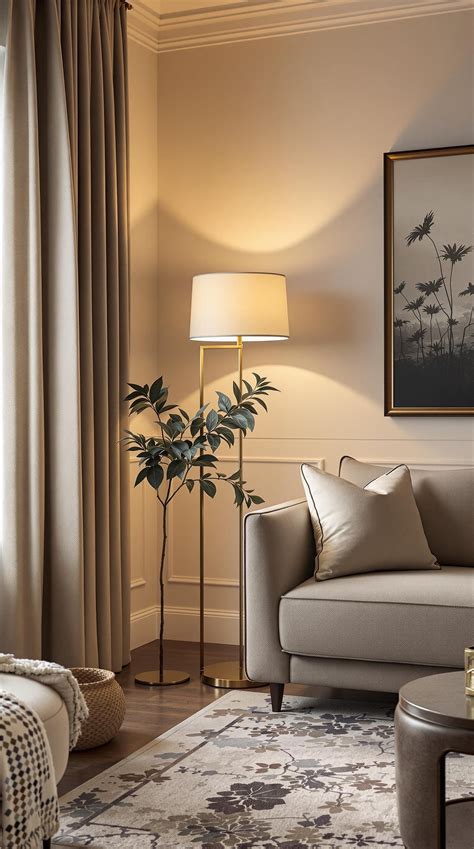
Textiles and accessories act as the jewelry of an interior, injecting personality and tactile contrast into the architecture. A high-quality, generously sized area rug is essential for grounding the living room layout; ensure at least the front legs of your seating rest on the rug to anchor the furniture group cohesively. Layer heavy linen drapes hung high and wide near the ceiling line to create the illusion of grander windows and taller ceilings.
When styling coffee tables and shelving, adhere to the rule of uneven grouping and varied heights. Mix organic elements like ceramic vases, stone trays, and fresh botanicals with sleek metallic accents or hardcover design books. This creates visual rhythm and prevents surfaces from appearing cluttered, balancing high-end aesthetic appeal with functional everyday living needs.
Frequently Asked Questions
How can I make a small apartment living room look chic and expensive?
Focus on editing clutter, choosing furniture with exposed legs to create an airy feel, and investing in oversized statement art rather than many small pieces. High-end looks also rely heavily on layered lighting and rich, tactile fabrics like velvet, linen, and wool.
How do I decorate a living room when I am renting and can’t make permanent changes?
Embrace renter-friendly products such as heavy-duty adhesive strips for hanging art, plug-in wall sconces, and freestanding shelving units. Removable wallpaper and large area rugs can also drastically alter the look of a room without violating lease terms.
What are the best ways to layer lighting in an apartment living room?
Avoid relying solely on overhead lights. Instead, combine three tiers of lighting: ambient floor lamps for overall glow, task lighting for reading spots, and decorative table lamps or plug-in wall sconces to create warmth and cozy focal points at varying heights.


