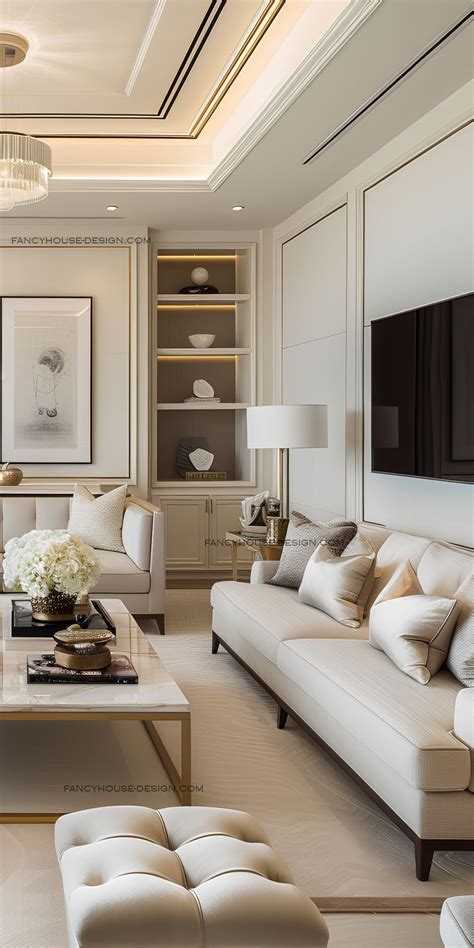
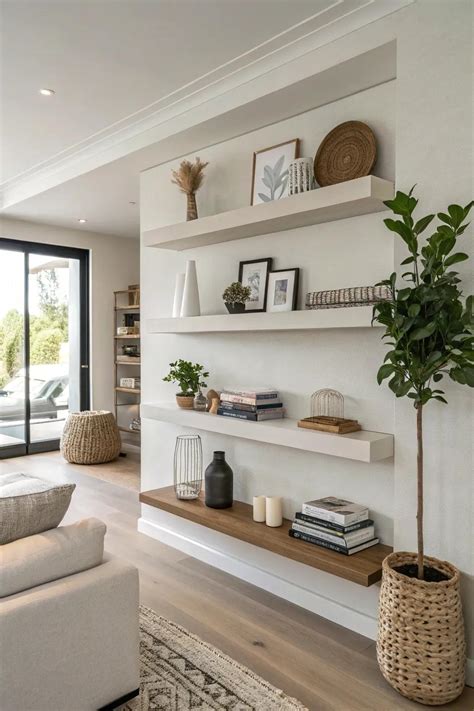
Elevating a living room goes far beyond simply purchasing trendy furniture or following fleeting social media aesthetics. In modern American homes, successful interior design hinges on striking a deliberate balance between personal comfort and polished visual composition. Whether you own a suburban property or rent an urban apartment, your living room should function as a welcoming gathering space while maintaining a sophisticated, intentional atmosphere. By focusing on fundamental design principles such as spatial flow, tactile layering, and purposeful styling, you can completely transform the character of your main living area without necessarily undertaking a full-scale renovation.
Achieving a high-end aesthetic is less about spending a fortune and more about making calculated decisions regarding scale, proportion, and visual weight. Professional interior designers rely on structured formulas to guide the eye around a room, ensuring that every element feels anchored and connected. When you approach your decor choices with a curated mindset, you eliminate unnecessary clutter and allow your favorite statement pieces to truly shine. The following strategies provide a practical framework to refine your living room layout, optimize your color palette, and introduce sophisticated decorative layers suited for everyday American living.
Mastering Room Layout and Spatial Flow
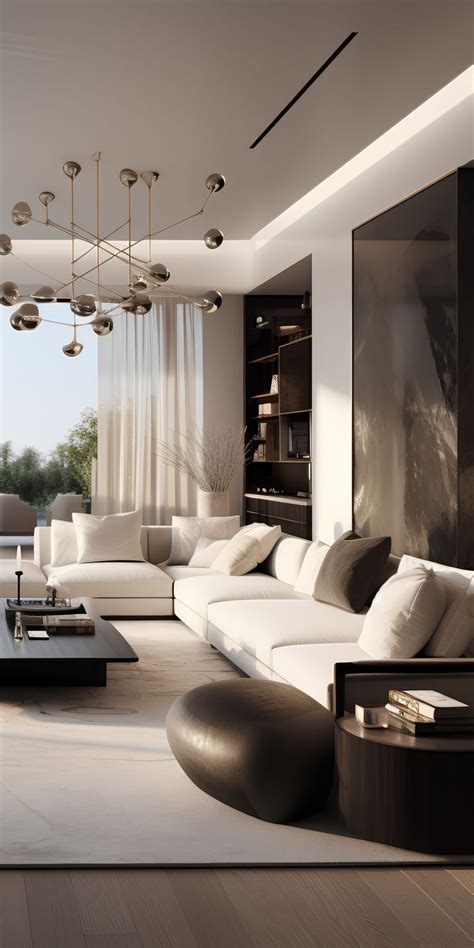
The foundation of any exceptional living room design begins with how furniture is arranged within the available square footage. In many American homes, the living room serves multiple functions—acting as a media room, a conversation area, and occasionally a play zone or home office nook. To establish a seamless flow, start by identifying the natural focal point of the room, whether it is a traditional fireplace, a large picture window, or an entertainment console. Avoid the common temptation to push every single piece of furniture directly against the perimeter walls, as this often creates a hollow, disconnected center.
Instead, pull your primary seating pieces inward, even if it is just by a few inches, to create a more intimate and cohesive conversational grouping. Ensure that there is an unobstructed pathway for foot traffic to move naturally from entryways to adjacent spaces like the kitchen or dining room. If you are working with an open-concept floor plan, use large area rugs to visually anchor different zones, ensuring that the front legs of your sofas and armchairs rest comfortably on the rug fibers to tie the arrangement together seamlessly.
Developing a Cohesive and Grounded Color Palette
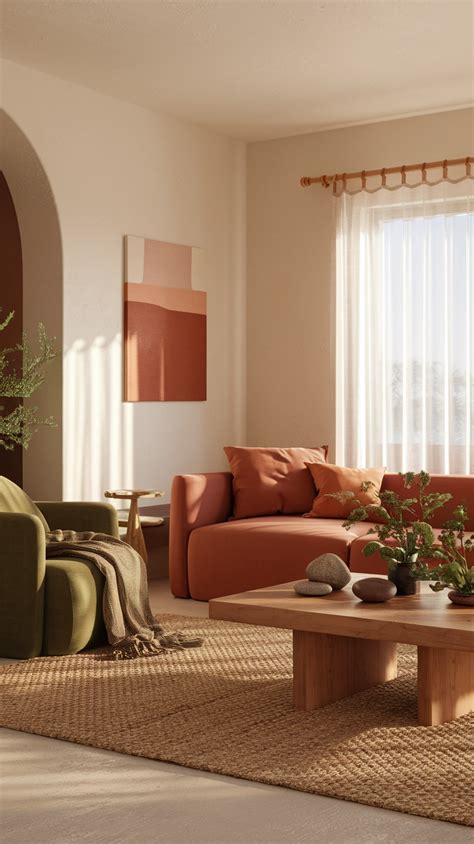
Color has a profound psychological impact on how a space feels, dictating whether a room feels energetic and vibrant or calm and restorative. Current interior design preferences across the U.S. lean heavily toward warm neutrals, earthy terracotta tones, muted olives, and soft chalky whites that maximize natural light. When building your palette, apply the time-tested designer formula of utilizing sixty percent dominant neutral tones for walls and large upholstery, thirty percent secondary tones for case goods and drapery, and ten percent accent hues for accessories and artwork.
This balanced distribution prevents any single color from overwhelming the room while keeping the overall aesthetic visually interesting. If you love bold jewel tones or saturated dark shades, consider applying them to a single accent wall, built-in bookshelves, or statement textiles like velvet throw pillows. Maintaining visual continuity with adjacent rooms through subtle color repetition helps create a harmonious flow throughout your entire home, making the living space feel larger and more thoughtfully planned.
Layering Lighting and Textures for Depth
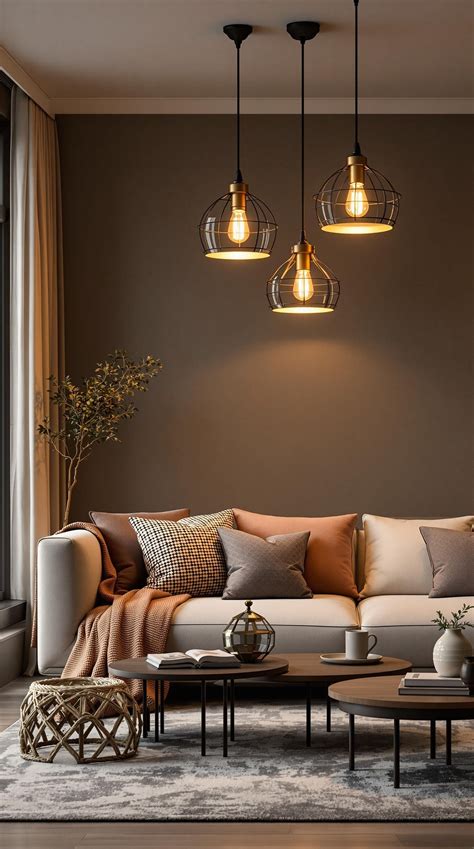
Flatness is the enemy of sophisticated interior design, which is why layering different lighting sources and textural elements is absolutely essential. Relying solely on harsh overhead ceiling lights flattens a room’s dimension and creates unappealing shadows. Instead, curate a balanced lighting plan that incorporates ambient, task, and accent lighting at varying heights. Combine floor lamps beside reading chairs, table lamps on sideboards, and wall sconces or dimmable overhead fixtures to create a warm, inviting glow during evening hours.
Equally important is the infusion of varied textures throughout your decor scheme to stimulate the senses and add tactile warmth. Mix sleek metallic finishes with rustic reclaimed wood, smooth leather upholstery with chunky knit throw blankets, and refined ceramic vases with woven natural jute rugs. This interplay of hard and soft, rough and smooth surfaces prevents a neutral room from feeling sterile, adding the rich dimensionality characteristic of professionally styled spaces.
Curating Meaningful Focal Points and Decor
Accessories and art should tell a story rather than simply fill empty surfaces. Avoid the impulse to clutter every coffee table and bookshelf with mass-produced trinkets; instead, curate a collection of meaningful objects, sculptural ceramics, architectural books, and quality botanical elements. When styling a coffee table, try grouping items in asymmetrical triads of varying heights, incorporating a tray to corral smaller essentials like coasters and remotes.
When it comes to wall art, scale is frequently overlooked. Avoid hanging tiny frames high up on expansive walls. Instead, opt for oversized statement art pieces that command attention, or create a carefully edited gallery wall with matching frames for a cohesive look. Incorporating house plants—such as a tall fiddle-leaf fig, a sculptural snake plant, or trailing pothos—brings organic life into the room, softening rigid architectural lines and instantly making the space feel vibrant and lived-in.
Frequently Asked Questions
How can I make my living room look more high-end on a budget?
Focus on high-impact, low-cost adjustments such as replacing builder-grade light fixtures, upgrading throw pillow inserts to plush down alternatives, hanging curtains higher and wider than the window frame, and editing out unnecessary clutter to let statement pieces stand out.
What is the best way to arrange furniture in a small living room?
In smaller spaces, prioritize multi-functional furniture like storage ottomans or nesting coffee tables. Choose furniture with exposed legs to allow light to pass underneath, which visually expands the floor area, and float your seating slightly away from the walls to improve traffic flow.
How do I choose the right size area rug for my living room?
A common mistake is selecting a rug that is too small. Ensure your area rug is large enough so that at least the front legs of all major seating pieces—such as your sofa and armchairs—rest comfortably on its surface, anchoring the entire seating group together.