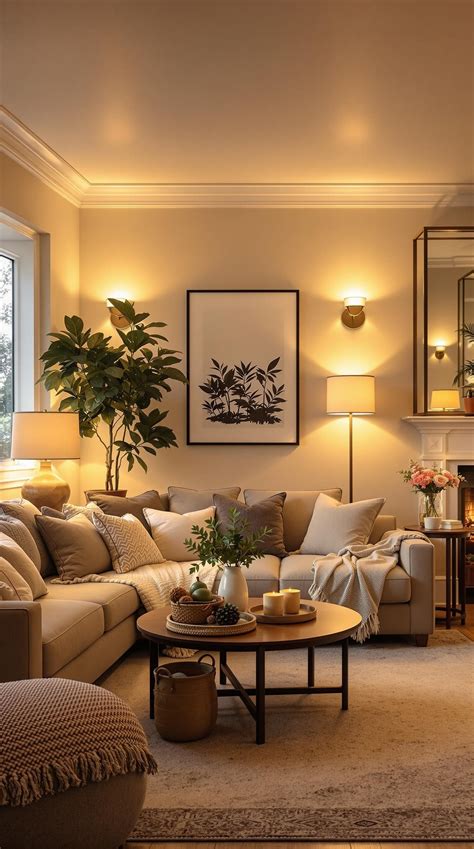
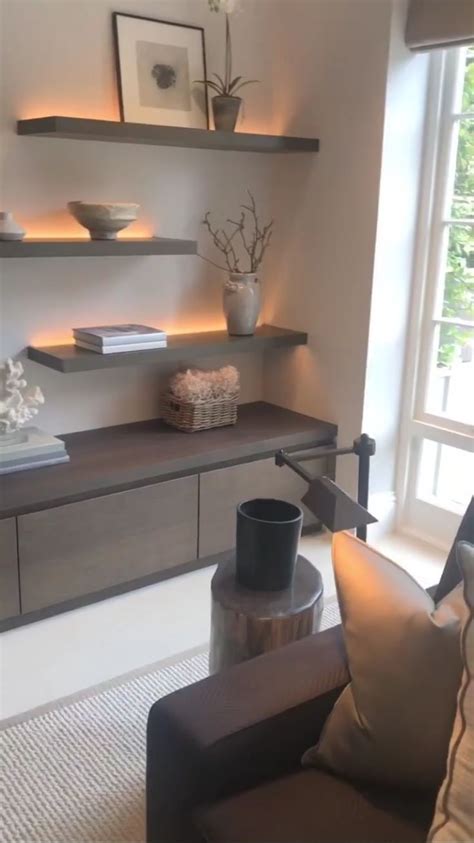
Creating a stylish living room in a U.S. home requires a thoughtful balance between everyday comfort and visual sophistication. Whether you are settling into a sprawling suburban open-concept layout or optimizing a compact urban apartment, your choice of furniture dictates both the flow and the aesthetic of the space. Rather than relying on matching furniture sets that can make a room feel flat, modern interior styling favors a curated approach. By mixing textures, carefully scaling your anchor pieces, and incorporating versatile accent furniture, you can build a living area that feels deeply personal, welcoming, and effortlessly refined.
Choosing the Right Anchor Furniture for Your Layout
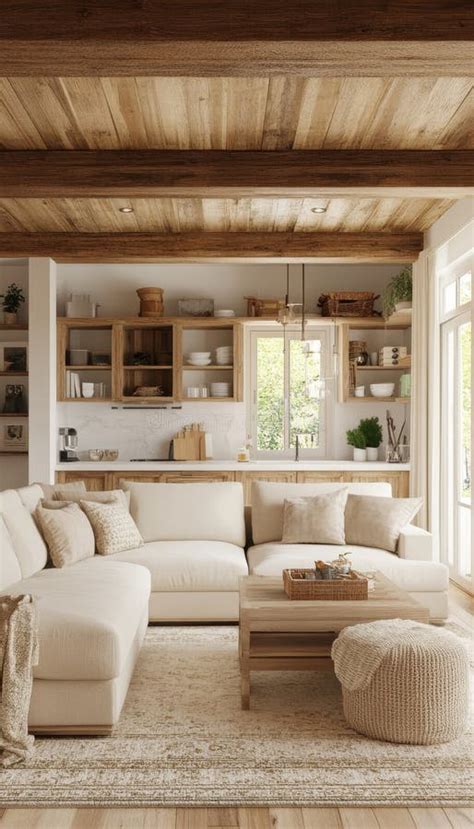
Every well-designed living room starts with a primary anchor piece, which is almost always the sofa or sectional. In American homes, where living spaces often double as entertainment hubs and relaxation zones, your sofa must deliver on both durability and design. For spacious suburban great rooms, an L-shaped sectional defines the conversation area while naturally dividing an open-plan floor plan from the dining or kitchen zones. Conversely, urban apartments benefit immensely from a streamlined, apartment-sized sofa featuring exposed legs, which creates an illusion of greater floor space by allowing light to pass underneath.
When selecting your anchor seating, consider how upholstery fabrics interact with your household lifestyle. High-performance woven fabrics, textured chenilles, and treated leathers offer remarkable resilience against daily wear, making them ideal for families with children or pets. Neutral upholstery shades like warm oatmeal, charcoal gray, or soft taupe provide a versatile foundation. This allows you to introduce bolder colors and changing seasonal accents through smaller accessories without needing to overhaul your major financial investments down the line.
Balancing Scale and Proportion in U.S. Living Rooms
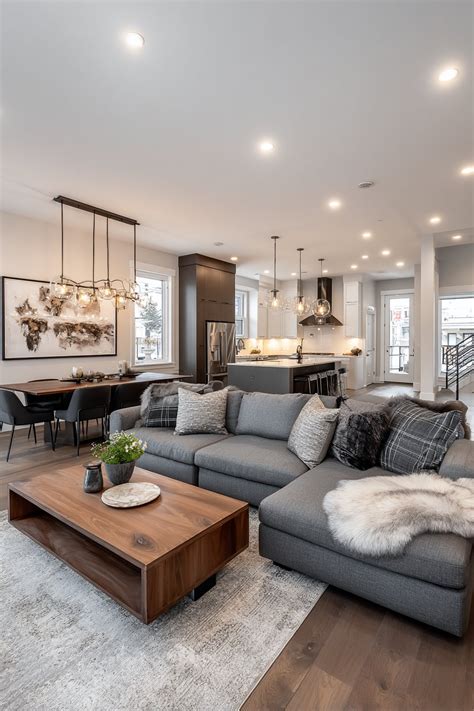
One of the most common pitfalls in living room design is misjudging the scale of furniture relative to the room dimensions. In large open-concept spaces, undersized furniture can float awkwardly, making the room feel sparse and unanchored. To combat this, pull your furniture slightly away from the walls rather than pushing every piece against the perimeter. Floating your sofa and accent chairs around a central rug establishes an intimate conversation zone that feels grounded and intentional rather than cavernous.
For smaller footprints, such as townhomes or city apartments, maintaining visual breathing room is critical. Choose low-profile furniture silhouettes that do not block sightlines across the room. Glass-topped coffee tables, acrylic accent chairs, and open-shelf media consoles reduce visual weight, ensuring the room feels airy and open. Always measure your doorways, stairwells, and elevator clearances before purchasing large furniture items to prevent delivery complications common in older American apartment buildings.
Curating Functional and Stylish Accent Furniture
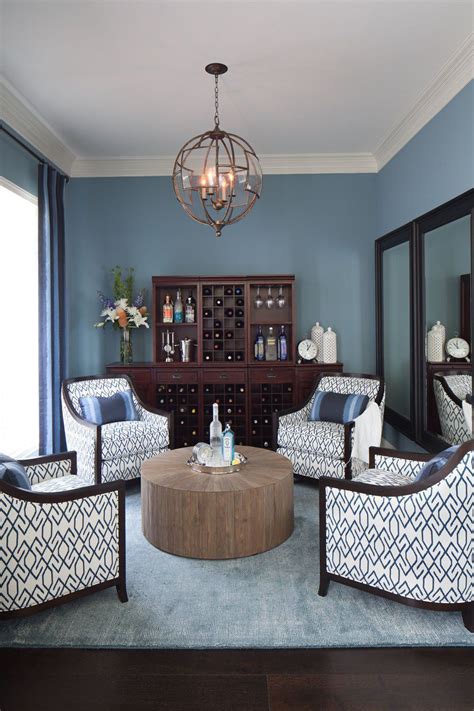
Once your anchor pieces are in place, accent furniture brings personality and daily utility to the space. Coffee tables, side tables, and media consoles should bridge the gap between form and function. Instead of heavy, matchy-y wooden sets, consider pairing a warm walnut media credenza with a stone or travertine coffee table. This juxtaposition of natural materials adds rich architectural interest and keeps the room from looking like a showroom catalog.
Accent chairs offer a wonderful opportunity to introduce statement shapes, patterns, or rich textures like boucle, velvet, or distressed leather. When positioning accent chairs, ensure they contribute to a cohesive conversation circle rather than blocking pathways. A pair of swivel chairs, for example, provides exceptional versatility in open-concept U.S. homes, allowing sitters to pivot easily between interacting with guests or viewing a television mounted on the opposite wall.
Renter-Friendly Strategies for Maximum Impact
Renters often face the challenge of elevating a living room without making permanent architectural alterations or purchasing oversized furniture that will not fit into future homes. The secret lies in investing in modular furniture systems, versatile storage pieces, and high-impact soft furnishings. Modular sectionals can be reconfigured when you move to a new floor plan, while storage ottomans provide hidden decluttering solutions for blankets and electronics in apartments lacking built-in closets.
To personalize rental spaces without touching the walls, lean tall shelving units against the wall to display books, art, and sculptural objects, and use oversized area rugs to anchor the room and cover dated flooring. Layering lighting through floor lamps, table lamps, and smart bulbs eliminates the harsh glare of overhead builder-grade fixtures. These thoughtful adjustments allow renters to achieve a deeply custom, high-end aesthetic that feels completely temporary-proof.
Frequently Asked Questions
What is the best way to arrange furniture in an open-concept living room?
In an open-concept U.S. home, use your furniture to define boundaries rather than pushing pieces against walls. Float your sofa and accent chairs around a large area rug that accommodates at least the front legs of all seating. This creates a cozy, self-contained conversation zone while maintaining an open flow to adjacent spaces like the kitchen or dining area.
How can I mix different furniture styles without making my living room look cluttered?
Successful eclectic design relies on a unifying element, such as a consistent color palette, repeating wood tones, or a balanced scale. If you have a modern streamlined sofa, you can pair it with a vintage rustic coffee table and mid-century modern accent chairs, provided they share complementary undertones and do not compete for visual dominance.
What size area rug should I buy for a standard living room?
A common mistake is buying a rug that is too small. In most standard living rooms, an 8×10 or 9×12 rug works best. Ideally, all four legs of your primary seating furniture should sit comfortably on the rug, but at minimum, the front legs of your sofa and accent chairs must rest on it to anchor the layout properly.