Updating your home environment is about much more than following fleeting interior design trends. Across American households, both homeowners and apartment renters constantly seek ways to harmonize visual elegance with genuine daily comfort. Whether you are settling into a newly purchased suburban property or refreshing a downtown rental, choosing the right furniture sets the functional and aesthetic tone for every room.
Successful interior styling requires looking beyond catalog imagery to evaluate how pieces perform under real-life conditions. Factors such as room dimensions, traffic flow, fabric durability, and multi-purpose utility dictate whether a furniture investment will truly enhance your lifestyle. By prioritizing deliberate selection criteria, you can curate a living space that feels both deeply personal and effortlessly inviting.
Anchor Your Living Space with Statement Seating
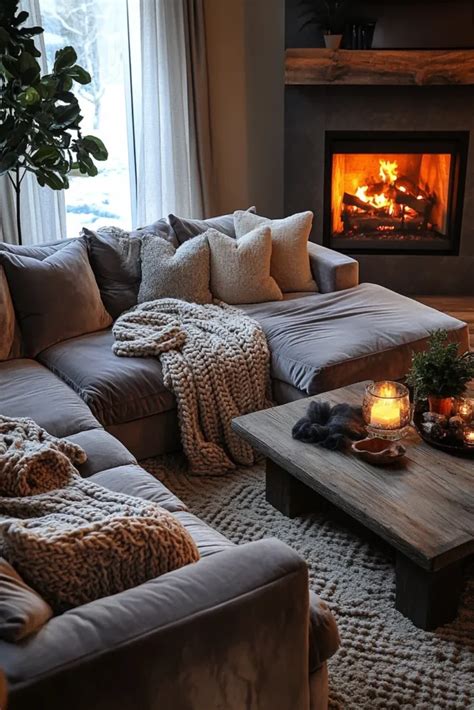
The living room serves as the emotional core of most American homes, making your choice of seating paramount. A well-chosen sofa or sectional acts as a visual anchor, balancing room proportions while offering a welcoming spot to unwind after a long day. When browsing furniture options across the US market, consider silhouettes that feature clean lines paired with deep, supportive cushions for a timeless look.
Beyond aesthetics, material selection plays a critical role in daily satisfaction. High-traffic households benefit greatly from performance fabrics that resist stains and stand up to pets and children without sacrificing softness. Alternatively, rich textured wovens or top-grain leathers add organic warmth and develop a beautiful patina over time, ensuring your primary seating piece remains a focal point for years to come.
Create Functional and Ergonomic Workspaces
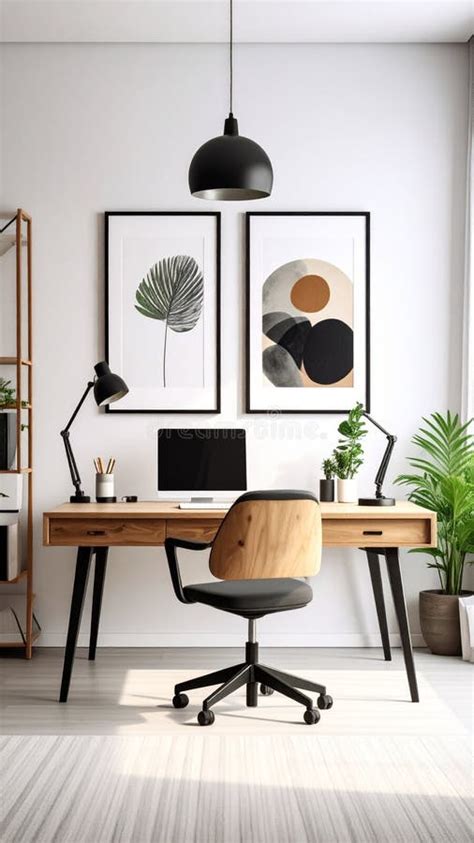
With remote and hybrid work models remaining a permanent fixture for many professionals in the United States, designing a dedicated workspace is no longer optional. An effective home office setup seamlessly integrates into your existing decor rather than looking like an afterthought. Prioritizing a streamlined desk with built-in cable management helps maintain a calm, clutter-free environment that supports daily productivity.
Comfort should never be compromised for the sake of minimalist design when selecting office furniture. Investing in an ergonomically supportive desk chair upholstered in breathable fabrics ensures physical well-being during extended work hours. Pairing this with functional storage solutions, such as modular shelving or slim credenzas, keeps reference materials organized while maintaining an open, airy aesthetic in your workspace.
Maximize Apartment Living with Smart Multi-Functional Pieces
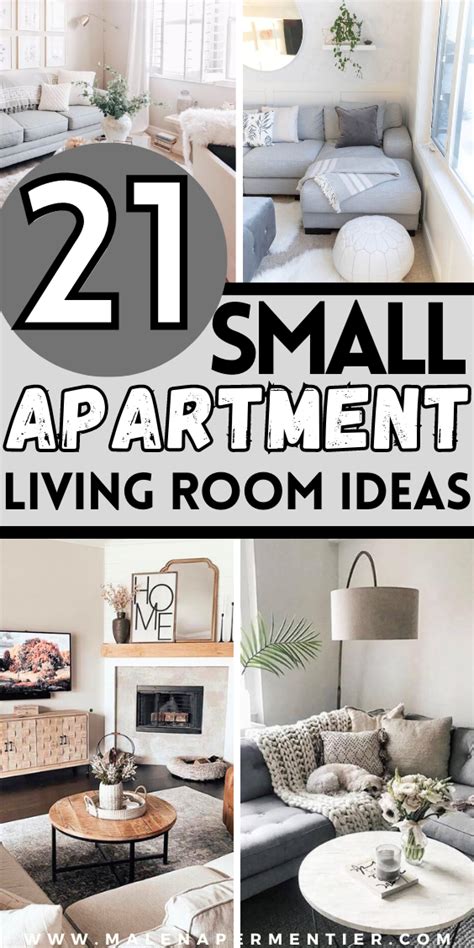
Urban renters and owners of compact homes face unique spatial challenges that demand clever design interventions. Multi-functional furniture pieces, such as extendable dining tables, storage ottomans, and modular sectionals, allow you to adapt your layout to different occasions without overwhelming limited square footage. These versatile items deliver maximum utility while preserving valuable floor space for easy navigation.
When furnishing smaller American apartments, visual lightness is just as important as physical footprint. Furniture pieces raised on slender legs allow light to flow underneath, creating an illusion of expanded room dimensions. Reflective surfaces, glass tabletops, and cohesive neutral color palettes further enhance this sense of openness, proving that compact spaces can be exceptionally stylish and functional.
Frequently Asked Questions
What furniture styles are currently most popular in American homes?
Current design preferences across the US lean toward warm modern, transitional, and organic contemporary aesthetics. These styles blend clean architectural lines with natural wood tones, comfortable upholstery, and tactile fabrics like boucle, linen, and weathered leather, creating spaces that feel both curated and lived-in.
How can I ensure my furniture choice is durable enough for daily use?
Look for solid hardwood frames rather than particleboard, reinforced joinery like dowels or corner blocks, and high-resiliency foam cushions. For upholstery, check the double-rub count on fabric specifications to gauge wear resistance, especially if you have pets or children.
What is the best way to arrange furniture in a long, narrow living room?
Create distinct functional zones rather than pushing all furniture against the perimeter walls. Use floating arrangements anchored by an area rug, incorporate low-profile seating that does not block sightlines, and rely on multi-functional side tables to maintain an open traffic flow.


