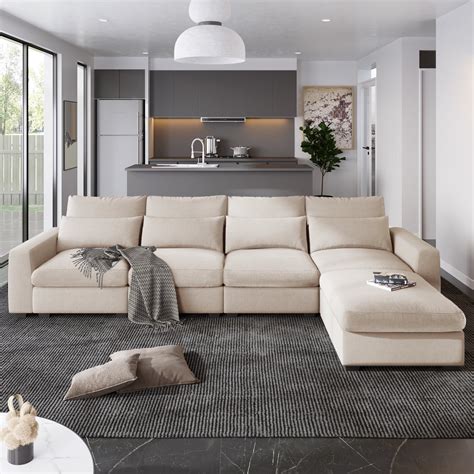
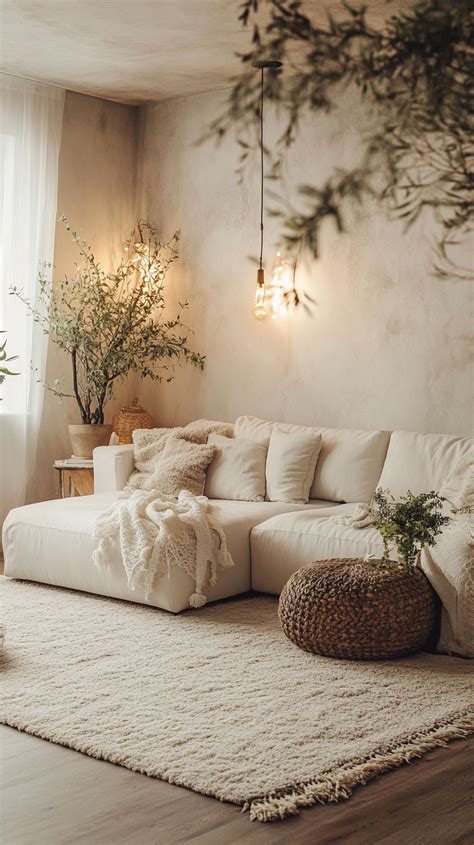
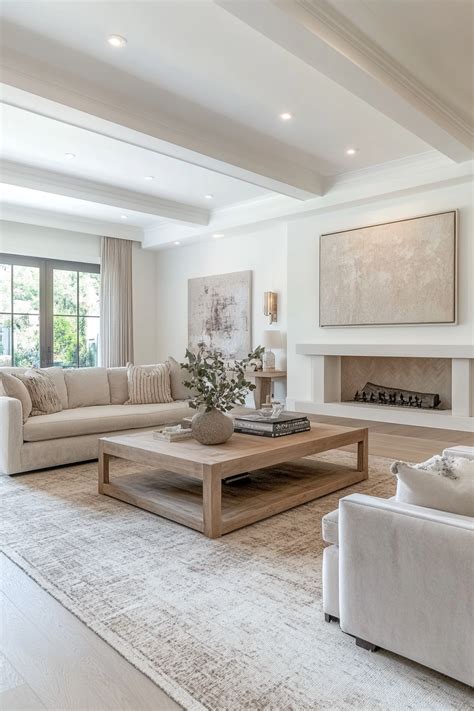
When designing a welcoming gathering space, finding the right balance between aesthetic harmony and daily livability can feel like a delicate puzzle. Many homeowners and renters across the United States struggle to create a space that looks professionally pulled together while remaining genuinely comfortable for movie nights, family gatherings, and lazy Sunday afternoons. Coordinated living room sets offer a streamlined solution by removing the guesswork from furniture matching, yet they sometimes risk looking rigid or uninspired if not styled with intention. Navigating this design challenge requires understanding how to leverage the cohesive foundation of a furniture package while injecting distinct personal character and textural warmth.
Achieving a designer-grade atmosphere with coordinated furniture starts with recognizing that a set is merely a canvas. Whether you are furnishing a sprawling suburban family room or a compact urban apartment, thoughtful spatial planning, textile layering, and mindful scale selection will transform uniform pieces into an inviting sanctuary. This comprehensive guide explores practical strategies for selecting, arranging, and styling matching or complementary living room sets so your home feels distinctly lived-in, deeply comfortable, and effortlessly stylish.
Understanding the Anatomy of a Living Room Set
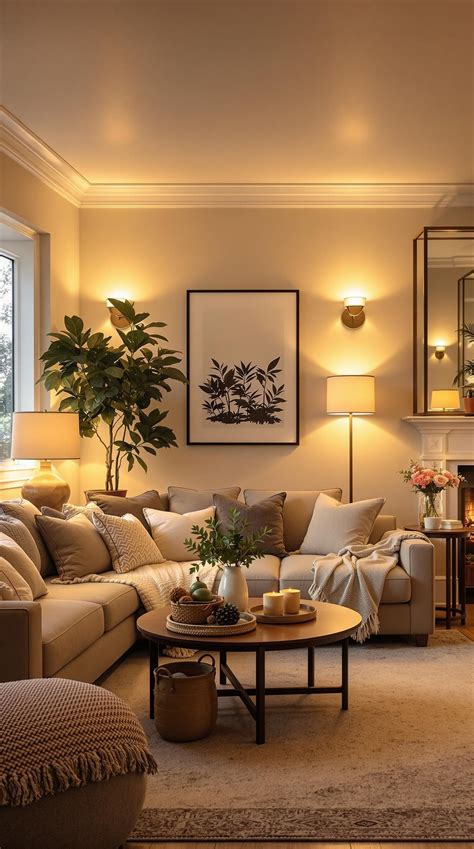
A standard living room set typically includes a primary sofa, a matching loveseat or accent chair, and sometimes coordinated occasional tables such as a coffee table and matching end tables. Investing in a complete package provides instant visual continuity because the wood finishes, leg styles, and upholstery tones are pre-harmonized by manufacturers. This eliminates the guesswork for homeowners who may feel overwhelmed by the prospect of mixing disparate eras, woods, and fabrics on their own. However, recognizing what each piece brings to the functional layout of your room is crucial before committing to a purchase.
The primary sofa anchors the entire arrangement, dictating the focal point of the room—whether that is a fireplace, a media console, or a large picture window. Accent chairs and loveseats provide the necessary secondary seating while breaking up large expanses of matching upholstery. When evaluating a set, pay close attention to the scale of each item relative to your room dimensions. Oversized sectionals and matching oversized armchairs can easily overwhelm a standard urban apartment, while dainty traditional sets might look lost in an open-concept suburban home with vaulted ceilings. Always measure your floor space and factor in natural pathways for movement before falling in love with a showroom display.
Balancing Showroom Uniformity with Personal Warmth
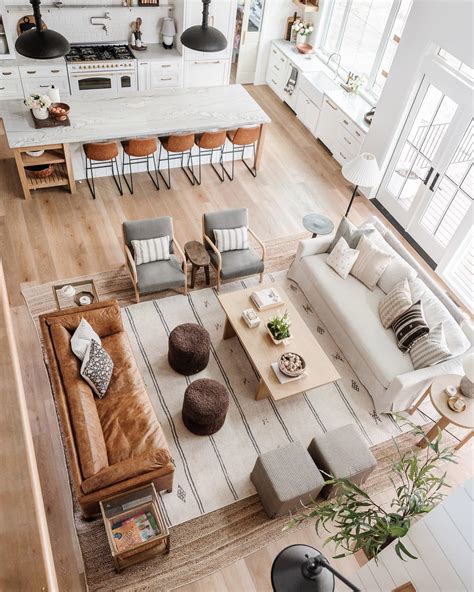
One of the most common pitfalls of purchasing a matched furniture set is the risk of your living room resembling a furniture store showroom rather than an authentic home. To prevent this uniform appearance, you must introduce layers of texture, color contrast, and organic elements that disrupt the rigid lines of the set. Incorporating textiles with varied tactile qualities—such as chunky knit throw blankets, linen pillows, and a patterned wool area rug—breaks up the monotony of matching upholstery fabrics and injects immediate visual depth into the space.
Another effective strategy to humanize a matching set is to integrate unexpected accent pieces that do not belong to the collection. For instance, if your seating set features sleek mid-century wooden legs, pair them with a rustic reclaimed wood coffee table or a vintage brass floor lamp. Introducing artwork, ceramic vases, and house plants with organic shapes softens the structured geometry of matching sofas and chairs. By treating the coordinated set as a neutral foundation rather than a strict design dictate, you allow your personal style to shine through without sacrificing the cohesive flow of the room.
Selecting Durable and Comfortable Fabrics for U.S. Lifestyles
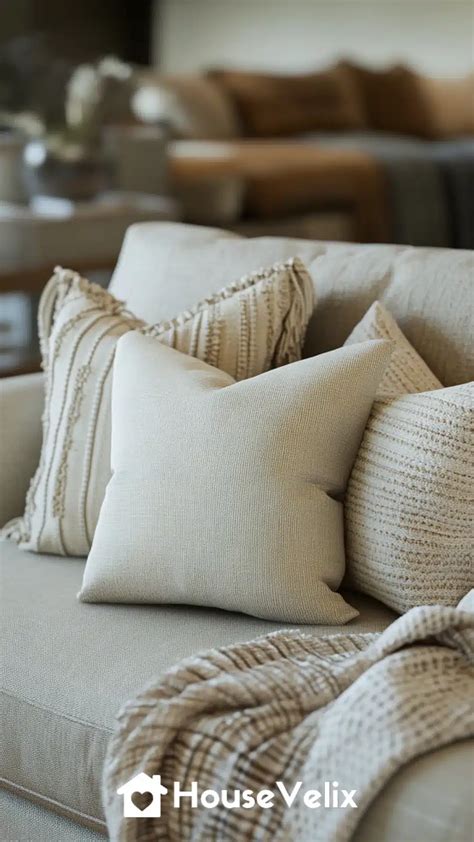
Lifestyle considerations should always outweigh pure aesthetics when choosing upholstery for your living room. Busy American households featuring children, pets, or frequent guests require fabrics that withstand heavy daily wear while maintaining a soft, inviting handfeel. High-performance wovens, tightly woven chenilles, and treated microfibers offer excellent resistance to stains and everyday abrasion, making them practical choices for active family rooms. Performance velvet is another exceptional option, combining luxurious visual richness with surprising durability and easy spot-cleaning capabilities.
Beyond durability, the internal construction and cushion fill dictate the overall comfort of your seating set. High-resiliency foam wrapped in down-alternative fibers provides a supportive sit that bounces back after use, preventing sagging over time. If you prefer a sink-in, casual lounging experience, look for cushions with feather-and-down blends, keeping in mind that these require regular fluffing to maintain their shape. Evaluating cushion construction alongside fabric specifications ensures your investment delivers lasting ergonomic support and cozy relaxation for years to come.
Tailoring Your Layout for Small Apartments Versus Large Homes

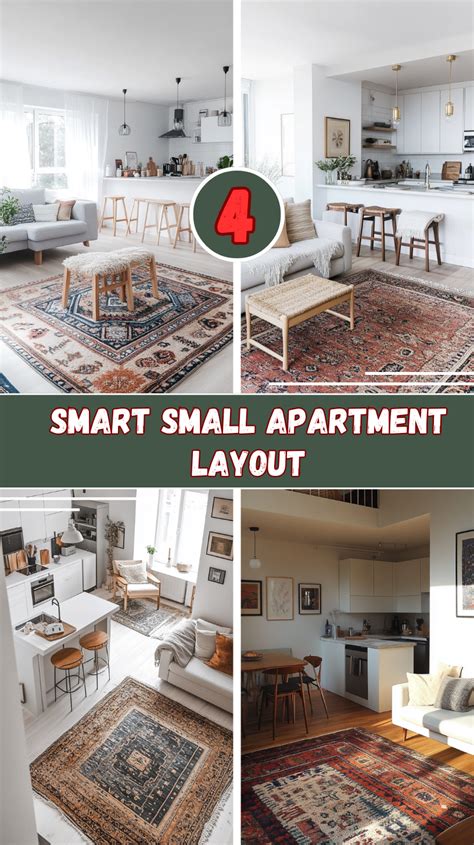
Spatial constraints dramatically influence how you arrange and style your living room furniture. In smaller apartments or compact urban homes, every square inch counts, making multi-functional pieces and clever layouts essential. Opt for a compact sofa paired with a single swivel accent chair rather than a bulky three-piece suite, and choose nesting coffee tables that can be tucked away when floor space is needed for entertaining. Floating your furniture slightly away from the walls rather than pushing everything against the perimeter can also trick the eye into perceiving a room as larger and more open.
Conversely, larger suburban homes with open floor plans require furniture arrangements that define distinct zones without closing off the space. A large sectional or a matching sofa and loveseat configuration can be positioned centrally to anchor the conversation area, using a large area rug to delineate the living zone from adjacent dining or kitchen spaces. Adding a console table behind the main sofa introduces a purposeful boundary and offers a surface for decorative styling. Matching the scale of your furniture arrangement to the architectural proportions of your home ensures a balanced, harmonious environment regardless of square footage.
Frequently Asked Questions
What pieces are typically included in a living room set?
Standard living room sets usually feature a primary sofa paired with a matching loveseat or accent chair. Many comprehensive packages also include coordinated occasional furniture, such as a coffee table and one or two matching end tables.
How can I make a matching furniture set look less like a showroom?
You can break up uniformity by layering contrasting textures such as patterned rugs, woven throw blankets, and diverse throw pillows. Introducing unique accent pieces—like a vintage lamp or a mismatched coffee table—also adds curated personality.
What fabrics are best for high-traffic living rooms with pets or kids?
Performance fabrics, heavy-duty wovens, and treated microfibers are ideal because they resist stains, withstand frequent friction, and clean easily. Performance velvet is another durable yet luxurious option for busy households.
Should I buy a matched furniture set or mix and match individual pieces?
Matched sets offer instant color and style harmony, making them great for beginners or those seeking simplicity. Mixing and matching allows for a more eclectic, unique look but requires a careful eye for scale, wood tones, and color balance.