Designing a comfortable, visually appealing living room often starts with selecting the right anchor pieces to ground the space. For many renters and homeowners across the United States, balancing a desire for modern interior aesthetics with flexible budgeting can present a unique challenge. Retailers like Aaron’s offer an alternative acquisition model through lease-to-own arrangements, allowing households to furnish their rooms without a massive upfront financial commitment. However, successfully integrating these coordinated sets into a cohesive home decor scheme requires thoughtful planning regarding scale, spatial dimensions, lighting, and everyday lifestyle needs.
When evaluating furniture collections, looking beyond the showroom floor helps ensure the physical pieces will actually harmonize with your existing architecture. Whether you reside in a high-rise urban apartment or a sprawling suburban house, understanding how to pair these sets with appropriate lighting, rugs, and personal accessories transforms standard rental furniture into a personalized design statement. By deliberately manipulating textures, managing room scale, and planning your layout ahead of time, you create a harmonious environment that serves both functional and aesthetic purposes.
Matching Living Room Set Styles to American Floor Plans
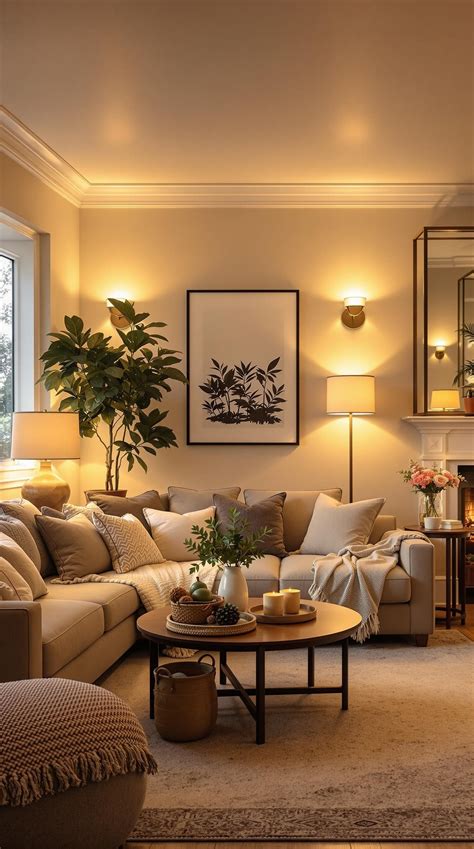
American homes vary dramatically in architecture, ranging from compact city apartments with open-concept living and dining zones to traditional suburban houses featuring defined, walled-off rooms. Selecting an Aaron’s living room set requires careful measurement of your specific footprint to avoid overcrowding or leaving awkward, unused gaps in the room. For smaller urban layouts, streamlined sofas paired with slim-profile accent chairs keep sightlines open and prevent the space from feeling cramped.
Conversely, larger suburban living rooms can easily anchor substantial sectional sofas or multi-piece matched sets featuring a sofa, loveseat, and matching cocktail tables. When working with open-concept spaces, the arrangement of your living room furniture serves as an implicit room divider. Positioning the back of a sectional toward a dining area or entryway creates a distinct boundary, establishing a cozy, enclosed conversation zone without the need for permanent interior walls.
To achieve spatial balance, always leave adequate walking paths around your seating arrangement. A common mistake in U.S. living rooms is pushing all furniture directly against the perimeter walls, which can make a large room feel cavernous and disconnected. Pulling furniture slightly inward and anchoring it with an appropriately sized area rug unifies the seating group and establishes a clear conversational focal point.
Balancing Scale, Lighting, and Textures
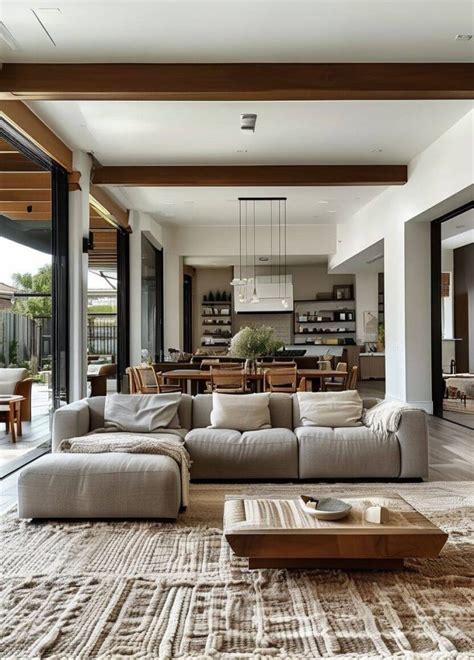
Once your layout is established, the next layer of interior design involves balancing the visual weight, lighting schemes, and tactile elements of the room. Matched furniture sets from rental providers often feature uniform fabrics and finishes, which is convenient but can occasionally feel flat if not intentionally styled. Introducing layered lighting—such as floor lamps for ambient glow, task lighting for reading corners, and table lamps on end tables—breaks up uniform shadows and highlights the contours of your furniture.
Texture plays an equally vital role in preventing a living room from looking like a catalog page. If your leased sofa features a smooth, neutral microfiber or synthetic leather, you can introduce visual depth by layering chunky knit throw blankets, woven baskets, and contrasting accent pillows. Furthermore, consider the scale of your decor accessories; heavy, solid-wood coffee tables pair best with substantial ceramics and large-scale wall art rather than tiny, delicate trinkets that get lost visually.
Durability, Materials, and Everyday Household Realities
Beyond visual style, practicality remains a primary concern for any household, particularly those with children, pets, or high daily foot traffic. Rent-to-own furniture collections often feature performance fabrics, microfibers, and durable synthetic leather alternatives designed to withstand regular use while remaining relatively easy to clean. Evaluating the textile construction before committing to a specific set ensures the furniture maintains its appearance over the course of your leasing agreement.
Families managing active households generally benefit from darker neutral tones or textured weaves that naturally camouflage minor daily wear and tear. If you select lighter upholstery options, pairing them with washable throw blankets and protective slipcovers provides an added layer of defense. Additionally, inspecting the underlying frame construction and cushion density ensures that the seating provides adequate long-term support for daily lounging and entertaining.
Blending Leased Furniture with Owned Decor
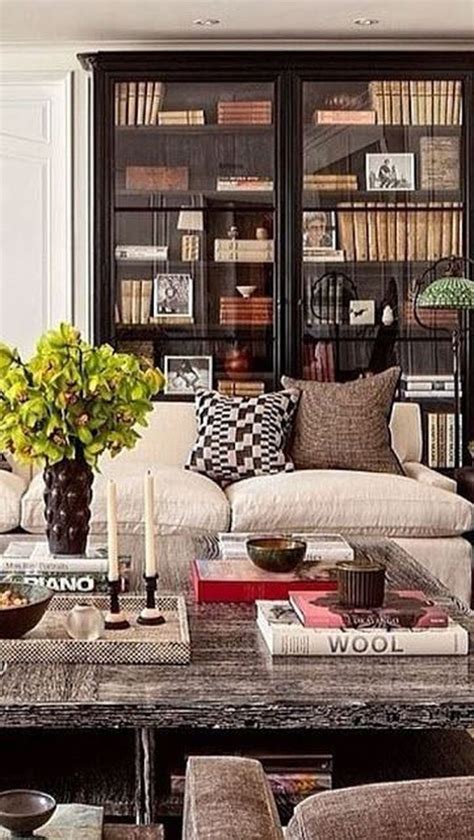
One of the most effective ways to personalize a lease-to-own living room set is to integrate your own independent decor pieces, vintage finds, and family heirlooms. Because foundational items like sofas and media consoles from Aaron’s often lean toward versatile, transitional color palettes, they act as a neutral canvas. You can easily layer in your own distinctive coffee table books, gallery wall frames, and artisanal pottery to shift the room’s overall aesthetic toward modern farmhouse, mid-century modern, or bohemian chic.
Mixing rental furniture with personal belongings also reduces the risk of your living space looking overly uniform or sterile. By swapping out standard throw pillows for handmade textiles, hanging statement artwork that reflects your personal travels, and incorporating unique lighting fixtures, you establish a curated environment. This hybrid approach grants you the financial flexibility of periodic payment schedules while maintaining complete creative control over your home’s unique visual identity.
Frequently Asked Questions
What styles of living room sets are typically available at Aaron’s?
Aaron’s typically stocks a variety of contemporary, transitional, and traditional living room packages. These range from sleek urban sectionals and reclining sofas to matching three-piece sets complete with a sofa, loveseat, and integrated coffee tables designed to fit standard American home aesthetics.
How do I choose between a sectional and a traditional sofa set?
Your choice depends primarily on your room dimensions and seating needs. Sectionals maximize corner spaces and encourage relaxed lounging in open-concept layouts, whereas traditional sofa and loveseat configurations offer greater flexibility for rearranging furniture in traditionally walled rooms.
Are rent-to-own living room sets durable enough for families with pets and children?
Many available collections utilize durable, stain-resistant synthetic fabrics and sturdy manufactured wood frames suited for busy households. Inspecting fabric descriptions and opting for textured weaves or performance materials helps ensure better longevity against daily wear.
How does the Aaron’s furniture selection process work for renters?
The leasing model allows renters to furnish their homes with low upfront costs and flexible payment schedules. This approach is particularly convenient for those who anticipate moving or wish to upgrade their interior style without committing to permanent purchases.


