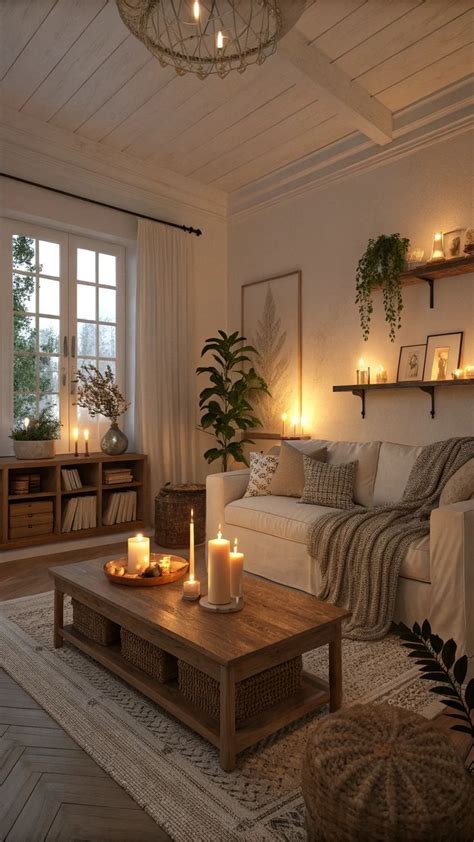
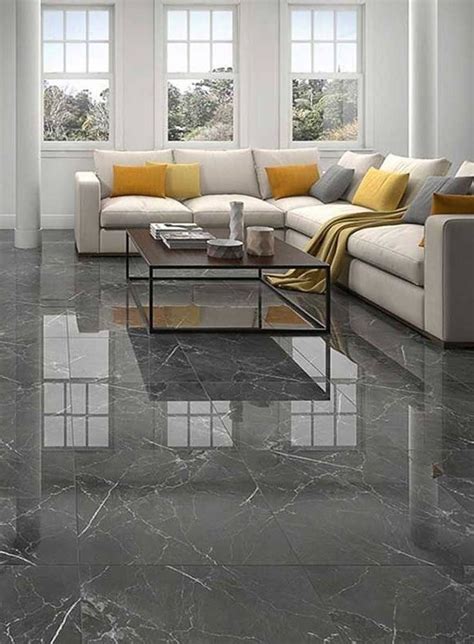
When anchoring a standard American living room, selecting the primary seating configuration sets the tone for both daily comfort and visual flow. While sectional configurations have gained massive popularity in recent years, the classic pairing of a full-sized sofa and a matching or complementary loveseat remains one of the most versatile choices for everyday living. This combination offers flexible arrangements for conversation, movie nights, and hosting guests without permanently locking your furniture layout into a single corner.
Navigating the furniture market requires looking beyond initial showroom appeal to evaluate how these proportions translate to your actual floor plan. American homes feature diverse architectural styles—from historic split-levels and suburban colonials to modern open-concept urban apartments—meaning that a seating set must be chosen with careful attention to scale, traffic patterns, and personal lifestyle habits. By breaking down the decision-making process into spatial planning, fabric selection, and aesthetic alignment, you can invest in pieces that look intentional and withstand years of active use.
Assessing Your Living Room Layout and Spatial Constraints
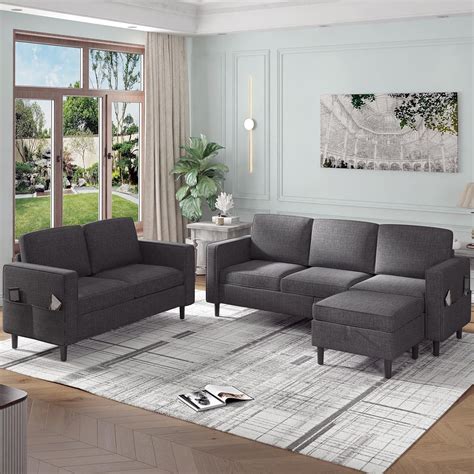
Before browsing upholstery styles or falling in love with a specific color, you must map out the exact dimensions of your room. A standard three-cushion American sofa typically spans between 84 and 96 inches in length, while a companion loveseat usually measures around 60 to 72 inches. Placing both pieces in a room requires accounting not only for their physical footprint but also for the negative space needed to walk around them comfortably. Maintaining a clearance of at least 30 to 36 inches for primary walkways ensures your living area does not feel cramped or blocked off.
Room shape heavily dictates how you can orient your seating group. In traditional rectangular living rooms, placing the sofa against the longest wall with the loveseat forming an L-shape or sitting directly opposite creates a balanced, conversational layout. However, in open-concept spaces shared with the kitchen or dining area, the back of the sofa or loveseat often acts as a visual room divider. If the backs of your upholstered pieces will be visible upon entering the home, ensure they feature tailored tailoring, clean lines, or finished upholstery rather than utilitarian dust covers.
Matching Sets Versus Curated Pairings: Finding Your Design Approach
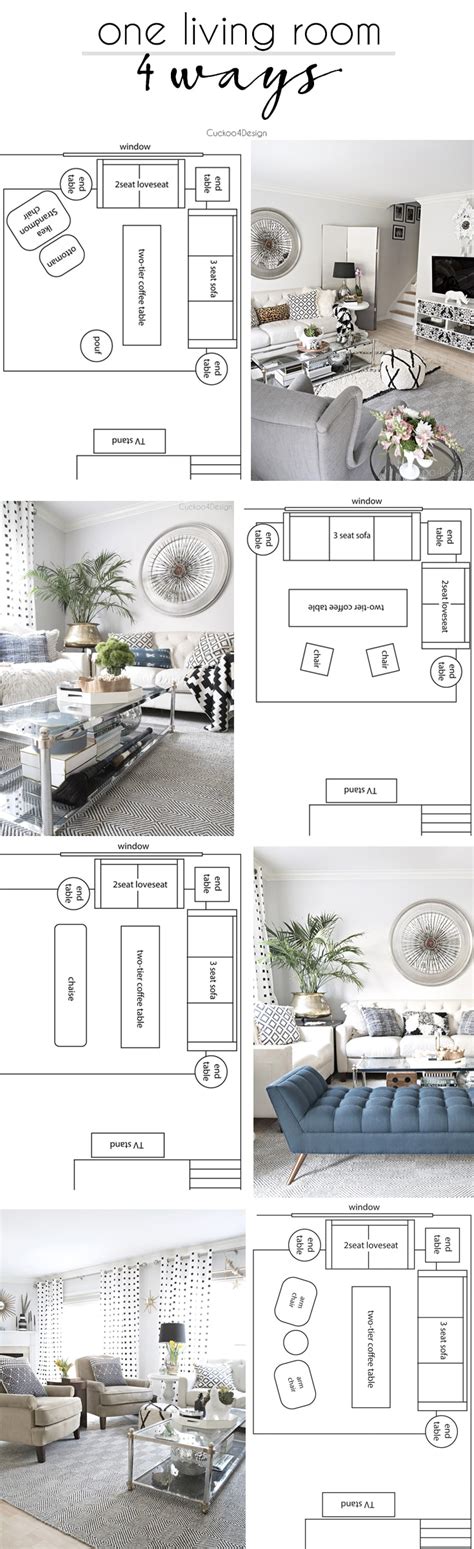
One of the first major decisions homeowners face is whether to purchase a pre-packaged sofa and loveseat set from a single manufacturer or curate a custom pairing by mixing different brands, textures, or silhouettes. Pre-packaged sets guarantee absolute uniformity in fabric dye lots, leg finishes, and cushion heights, making them a foolproof option for anyone seeking immediate symmetry and minimal decision fatigue. They create a clean, cohesive anchor that makes building the rest of the room around them straightforward and predictable.
On the other hand, mixing and matching seating pieces introduces curated depth and personality that prevents a living room from looking like a furniture showroom floor. You might pair a tailored, neutral linen sofa with a rich leather armchair or a contrasting velvet loveseat to break up monotonous blocks of fabric. If you choose to mix pieces rather than buying a matching set, maintain a common thread to anchor the arrangement. This unity can be achieved by matching the leg wood finish, keeping a similar arm style, or ensuring the overall seat height and cushion profile feel visually balanced.
Selecting Durable Fabrics and Cushions for Real Life
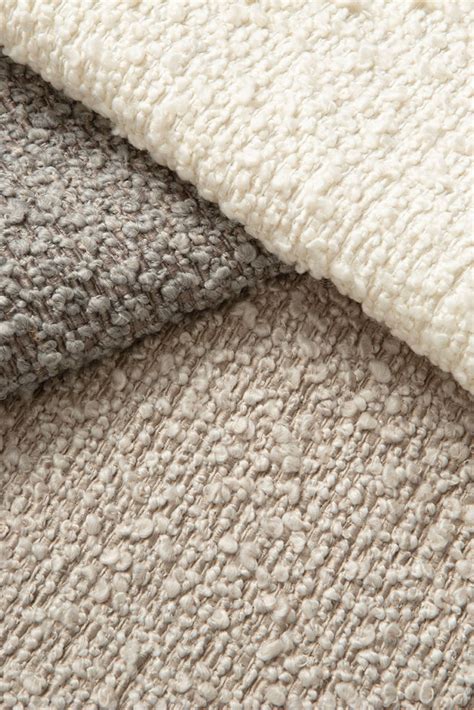
The longevity of your seating investment depends heavily on the textile and interior construction beneath the surface. Households with high daily traffic, energetic children, or pets require high-performance fabrics that resist stains, pulling, and moisture. Performance synthetic blends, tightly woven chenille, and heavy-duty textured wovens stand up remarkably well to claws and daily friction. Leather is another exceptional choice for active homes because it wipes clean easily, though it requires occasional conditioning to prevent drying and scratching.
Beyond the surface fabric, evaluate the internal cushion construction and frame materials to ensure long-term support. Kiln-dried hardwood frames provide superior stability and prevent warping over time, outperforming softer woods or stapled particle board. When testing cushion firmness, look for high-resiliency foam wrapped in down-proof ticking or fiber. While softer foam feels luxurious initially, it often sags quickly under regular use, whereas high-resiliency core construction bounces back and maintains its tailored profile for years of dependable comfort.
Styling and Accessorizing Your Seating Arrangement
Once your sofa and loveseat set is delivered and positioned, the finishing touches transform these foundational pieces into a warm, inviting focal point. Start by anchoring the entire seating group with a properly sized area rug; ideally, the front legs of both the sofa and the loveseat should rest comfortably on the rug to unify the conversation zone. If your rug is too small, the furniture will appear floating and disconnected from the rest of the room’s architecture.
Layering textiles through throw pillows and blankets adds seasonal color, pattern, and tactile warmth without requiring permanent commitments. As a general rule of thumb, use a cohesive color palette that ties your wall color, window treatments, and rug together with your upholstery. Mix pillow sizes and textures—such as pairing a smooth lumbar pillow with a chunky knit square throw—to create visual interest. Finally, position a functional coffee table or paired side tables within easy reach of both the sofa and loveseat, ensuring that every seat has a convenient surface for setting down a beverage or book.
Frequently Asked Questions
Should I buy a matching sofa and loveseat set or mix and match?
Buying a matching set guarantees color and fabric uniformity, making it ideal for a cohesive, balanced look with minimal effort. Mixing and matching pieces allows for a more curated, designer-styled interior, provided you maintain visual harmony through shared elements like leg finishes, scale, or complementary color palettes.
How do I measure my living room to ensure both pieces fit comfortably?
Start by measuring the overall wall space and floor area, ensuring you leave at least 30 to 36 inches of clearance for primary walkways. Don’t forget to measure all entryways, hallways, and stairwells in your home to guarantee the delivery team can successfully maneuver the furniture boxes into the room.
What are the best fabrics for a sofa and loveseat set if I have pets or children?
High-performance synthetic fabrics (such as treated microfiber or heavy-duty outdoor-grade indoor wovens) and genuine leather are top choices. They resist staining, clean easily with mild soap and water, and withstand daily wear and tear without showing premature signs of pilling or damage.
How do I style a sofa and loveseat set together in an open-concept living room?
Use the back of one or both seating pieces as a room divider to define the living zone. Ensure the back upholstery is neatly finished, and anchor the arrangement with an area rug that catches the front legs of both furniture items to visually ground the space.