Furnishing a living room requires a careful balance of personal style, spatial constraints, and practical daily use. Whether you are settling into a long-term suburban house or rearranging a dynamic urban apartment, your choice of living room furniture sets the tone for your entire home. American households often grapple with conflicting priorities, such as wanting high-end aesthetic permanence while needing pieces that can withstand a cross-town lease transfer or energetic children and pets.
Understanding how different furniture pieces adapt to various living environments helps you make informed choices that avoid costly mistakes. Rather than chasing fleeting design trends, focusing on modular layouts, durable construction, and timeless silhouettes ensures your living space remains comfortable and stylish for years to come. By examining specific categories of furniture through the lens of both renters and homeowners, you can curate a room that feels both deeply personal and functionally sound.
Space-Saving Seating Solutions for Compact Apartments

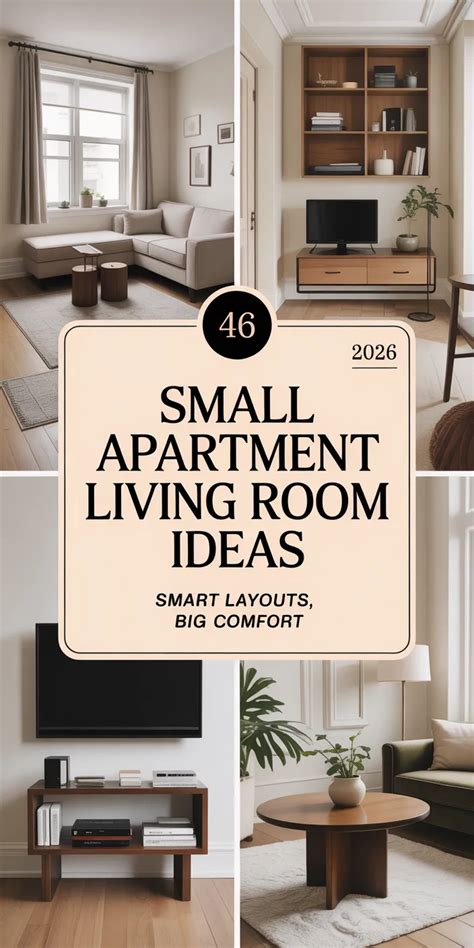
For renters navigating compact floor plans in bustling American cities, maximizing every square foot is essential. Bulky sectional sofas can easily overwhelm a narrow apartment layout, making modular loveseats, apartment-sized sofas, and clever armless chairs much smarter investments. These scaled-down pieces offer high design impact without blocking natural light or restricting movement through tight hallways.
When selecting seating for a smaller footprint, look for exposed legs that lift the frame off the floor. This clever visual trick creates an illusion of a larger, more open room by allowing light to pass underneath the furniture. Additionally, modular pieces that allow you to reconfigure the chaise from left to right provide incredible flexibility when you eventually move to a new floor plan.
Investing in Statement Sofas for Long-Term Homes
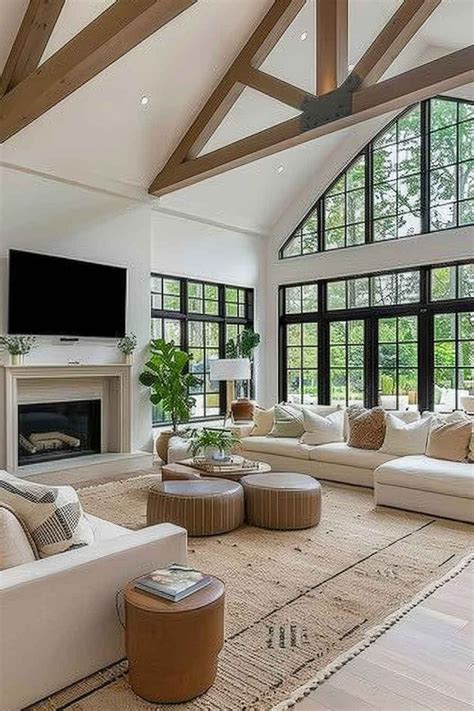
Homeowners who plan to stay in their properties for years often approach the living room anchor piece with a different strategy. Instead of focusing strictly on compact dimensions, the emphasis shifts toward high-grade upholstery, sturdy kiln-dried hardwood frames, and luxurious comfort. A well-crafted statement sofa acts as the visual anchor of the room, grounding open-concept suburban layouts and offering a welcoming spot for family gatherings.
When evaluating higher-end seating investments, examining the internal construction is just as important as choosing the right fabric color. High-resilience foam wrapped in down feathers provides a plush sit that maintains its shape over time, while eight-way hand-tied suspension systems offer superior long-term support. Opting for neutral, textured performance fabrics ensures the sofa remains versatile even if you decide to completely repaint the walls or change your accent decor down the road.
Functional Coffee Tables and Media Consoles for Busy Households
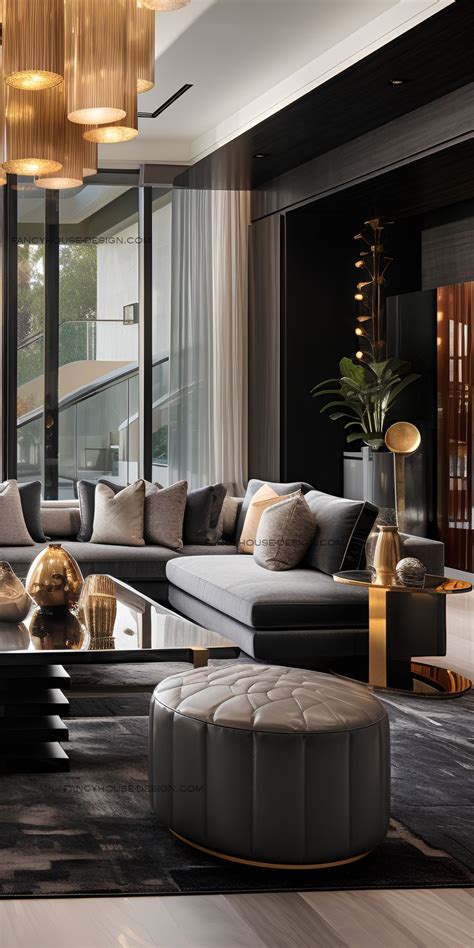
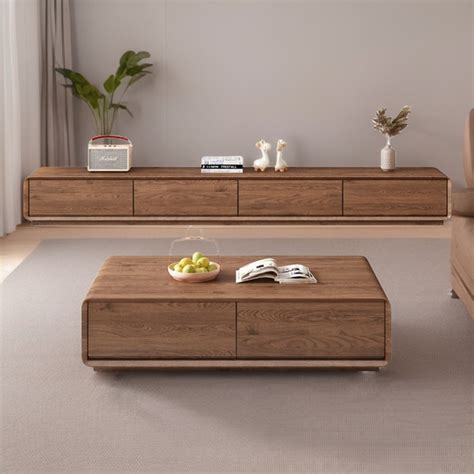
Regardless of whether you rent or own, tables and media storage units must handle the daily demands of modern life. Families with children or pets benefit immensely from rounded coffee tables made of durable hardwoods or tempered glass, which eliminate sharp corners and reduce the risk of accidental bumps. Lift-top coffee tables also serve double duty, providing a hidden workspace for laptops or a casual dining surface for movie nights.
Media consoles require careful consideration regarding cable management and ventilation for electronics. Look for units featuring louvered doors or open shelving that conceal clutter while keeping devices cool. Renters should prioritize slightly lighter media consoles that can be easily disassembled or transported, whereas homeowners can anchor their space with heavy, built-in style credenzas that feature ample concealed storage for board games, throws, and electronics.
Balancing Budget-Friendly Finds and Investment Pieces
Creating a cohesive living room does not mean every single item needs to come from the same high-end showroom. A successful interior design strategy often relies on high-low mixing, pairing affordable accent pieces with investment-grade foundations. Renters might spend more on a comfortable, high-quality mattress or sofa that moves with them, while keeping side tables and lamps budget-friendly.
Homeowners can take the opposite approach, opting for custom built-ins or heirloom-quality case goods while accessorizing with seasonal, affordable textiles like throw pillows and area rugs. Understanding where to spend and where to save protects your budget and allows your living room to evolve naturally as your lifestyle and tastes change over time.
Frequently Asked Questions
What type of living room furniture is easiest to move for frequent renters?
Modular sofas, lightweight accent chairs, and furniture pieces that ship flat-packed or feature easily removable legs are ideal for renters. Avoid heavy, solid-wood one-piece units or oversized sectionals that cannot easily navigate tight stairwells or elevators during a move.
How can I protect my living room furniture if I have pets and children?
Prioritize performance fabrics such as Crypton, microfiber, or tightly woven linen blends that resist staining and are easy to spot-clean. For wooden furniture, opt for distressed or satin finishes that easily conceal minor scratches compared to high-gloss surfaces.
Should my living room furniture match completely or should I mix styles?
Mixing styles creates a more curated, collected-over-time look rather than a sterile showroom feel. Combine a modern sofa with vintage accent chairs or an industrial metal coffee table to add visual depth and personality to your space.
How do I choose the right rug size to anchor my living room furniture?
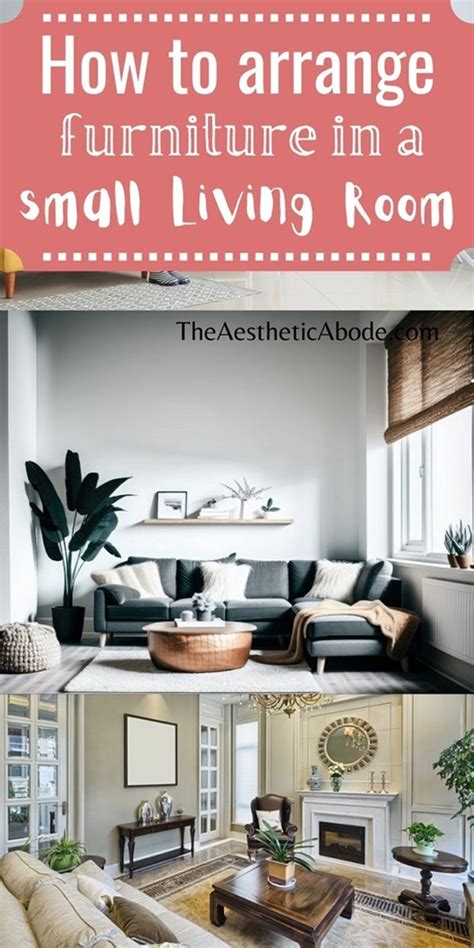
Ensure your area rug is large enough so that at least the front legs of all major seating pieces rest comfortably upon it. In smaller living rooms, a 5×8 rug can float beneath a coffee table, while larger open-concept rooms usually require an 8×10 or 9×12 rug to tie the seating group together.