Taking on the task of styling a three-bedroom home is an exciting milestone, whether you have just unpacked moving boxes in a suburban rental or you are settling into your long-term homeowner property. With three distinct sleeping quarters to address, it is easy to feel overwhelmed by budget allocation, furniture sourcing, and design fatigue. The secret to a successful overhaul lies in establishing a unifying design thread early on, ensuring that every room communicates a shared aesthetic while serving its unique purpose.
For renters, the challenge centers on maximizing personal expression without sacrificing the security deposit or making permanent structural alterations. Homeowners, on the other hand, enjoy the freedom to invest in custom built-ins, permanent paint palettes, and upgraded architectural hardware. By evaluating your space through the lens of your specific housing arrangement, you can curate a functional, beautiful 3-bedroom home that feels intentionally designed from room to room.
Establishing a Cohesive Design Flow Across Three Rooms
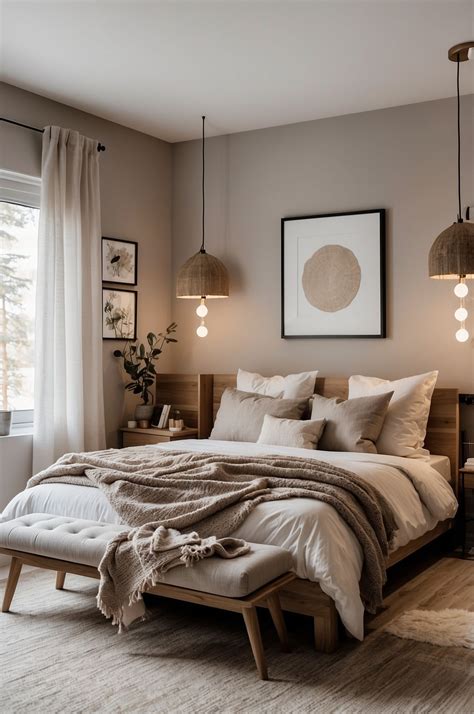
When decorating a multi-room property, treating each bedroom as an entirely isolated island often results in a disjointed, chaotic final look. Instead, establish a unified color palette or a shared textural theme that travels gracefully from the primary suite down the hallway into the secondary spaces. Selecting two or three anchor neutrals paired with a recurring accent color creates visual harmony throughout the home.
Floor plan continuity also plays a vital role in unifying a three-bedroom layout. If your primary suite features warm wood tones and minimalist lighting, echo similar textures in the secondary rooms through smaller decor elements like picture frames or nightstands. This subtle repetition tricks the eye into perceiving the entire square footage as a thoughtfully curated environment rather than a collection of mismatched rooms.
Designing the Primary Suite as an Intentional Sanctuary
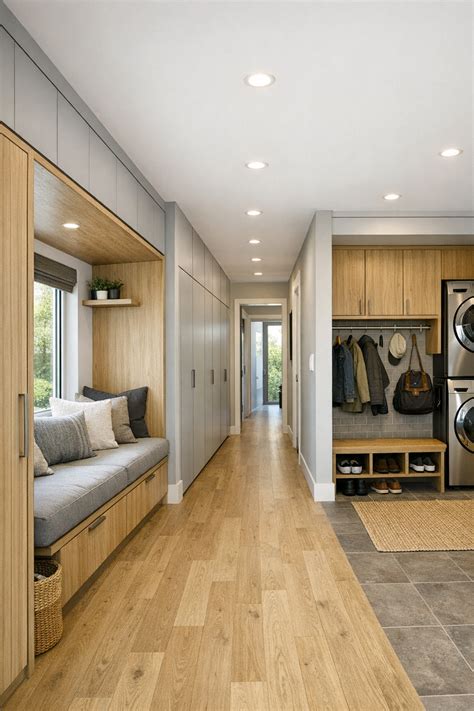
Your primary bedroom should function as a restful retreat from the demands of daily life, emphasizing comfort, soft lighting, and minimal clutter. Start with the largest investment piece—the bed—and build outward using layered bedding, neutral linens, and purposeful bedside lighting. Avoid overcrowding the room with oversized dressers if the floor plan is modest; instead, look for vertical storage solutions that preserve floor space.
Homeowners can elevate this space by installing statement crown molding, investing in custom closet organizers, or painting the walls in deep, moody hues that promote relaxation. Renters can achieve a similarly luxurious atmosphere by employing oversized canvas art, heavy floor-to-ceiling drapery panels that create the illusion of grand architecture, and plug-in wall sconces that eliminate bedside cord clutter.
Transforming the Secondary Bedroom into a Multi-Functional Guest Space
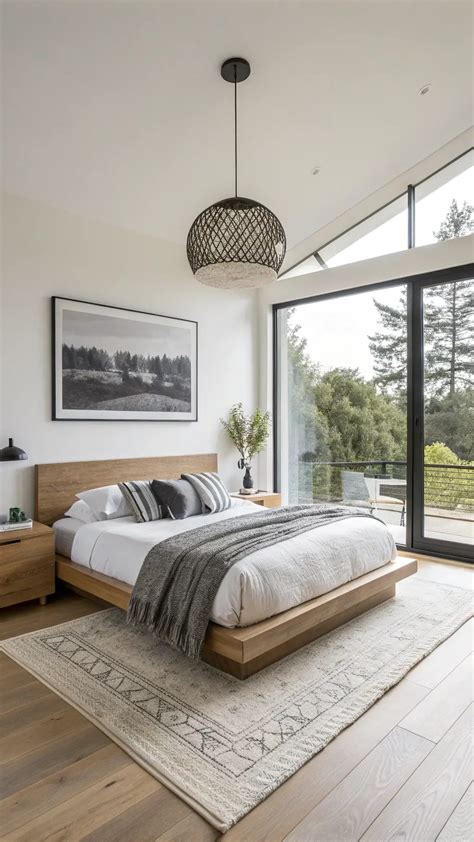
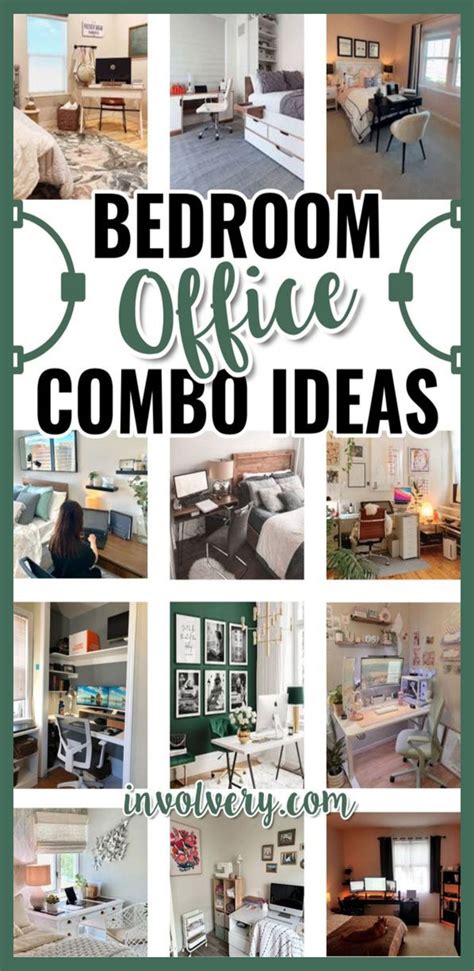
In many American homes, the second bedroom often acts as a hardworking hybrid space, pulling double duty as a home office during the week and a welcoming guest room on weekends. Achieving this balance requires flexible furniture choices, such as a high-quality daybed, a sleek sleeper sofa, or a drop-leaf desk that folds away neatly when visitors arrive.
To keep the room feeling orderly, prioritize smart storage solutions like rolling under-bed bins or a modular bookcase with decorative storage baskets. Renters can utilize freestanding wardrobe units if closet space is limited, while homeowners might consider converting a standard reach-in closet into a dual-purpose workstation with built-in desktop shelving and concealed electronics wiring.
Curating a Kid’s Room, Nursery, or Flex Room with Longevity
The third bedroom in a house frequently houses children, visiting family members, or acts as a hobby room, making adaptability its most crucial characteristic. Designing a room that ages alongside its occupant prevents the need for a complete stylistic overhaul every few years. Opt for timeless large furniture pieces, such as a sturdy wooden twin bed or a neutral dresser, and inject personality through easily swappable textiles like patterned duvet covers, throw pillows, and rugs.
Parents renting their homes can use removable wall decals or peel-and-stick murals to add playful whimsy without risking wall damage. Meanwhile, homeowners have the flexibility to install durable chair rails, washable wallpaper, or custom window treatments that withstand high-traffic use while maintaining a sophisticated aesthetic that easily transitions into a sophisticated guest room down the line.
Renter-Friendly Hacks Versus Permanent Homeowner Upgrades
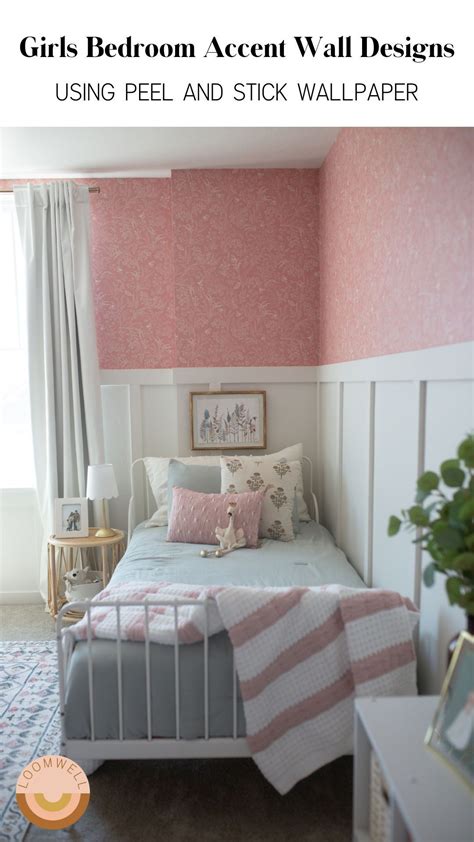
Navigating home decor decisions ultimately comes down to understanding the boundaries of your lease or the permanence of your deed. Renters can dramatically transform a bland bedroom by investing in adhesive hanging strips, renter-safe peel-and-stick wallpapers, and clever lighting swaps like wireless puck lights housed inside vintage lamps. These reversible interventions deliver high visual impact without requiring a single nail or paintbrush.
Conversely, homeowners can approach the same design challenges with permanent solutions that add long-term equity and customized functionality. Replacing standard interior doors with shaker-style panels, swapping out basic doorknobs for matte black hardware, and hardwiring modern overhead light fixtures all contribute to a bespoke feel. Recognizing these distinct pathways allows you to achieve your ideal aesthetic safely and within the bounds of your living situation.
Frequently Asked Questions
How can I keep my 3-bedroom home decor cohesive on a tight budget?
Focus on a consistent color palette across all three rooms and shop your home first by moving decor items between spaces. Invest in affordable, versatile base pieces like neutral bedding and add personality through low-cost accents like throw pillow covers, inexpensive frames, and DIY art.
What are the best renter-friendly ways to add color to bedroom walls?
Peel-and-stick wallpaper is an exceptional rental-friendly option for creating an accent wall behind a bed. You can also use large-scale canvas art, hanging tapestries, or colorful curtains to introduce vibrant hues without violating your lease agreement regarding paint.
How do I maximize storage in a small secondary bedroom?
Utilize vertical space by installing floating shelves or tall bookcases. Choose multifunctional furniture such as storage beds with built-in drawers or storage ottomans that double as seating and hidden linen storage.


