Transforming a group camping expedition into a chic, comfortable retreat requires treating the campsite with the same intentionality you would apply to an interior living space. When utilizing a spacious 3-room family tent, you unlock the unique ability to create separate functional zones that mimic the layout of a home. Instead of the chaotic pile of sleeping bags and gear typical of traditional group camping, a multi-room structure allows you to establish privacy, maintain cleanliness, and curate an aesthetic environment under canvas.
Achieving this balance of style and practicality involves careful zoning, intentional decor choices, and smart organization. By approaching your temporary shelter as a temporary boutique hotel room or a bohemian guest suite, you can elevate the entire outdoor experience for your family and guests. The following strategies outline how to plan, layout, and style your multi-room shelter for an unforgettable group camping getaway.
Zoning Your 3-Room Tent for Maximum Comfort and Privacy
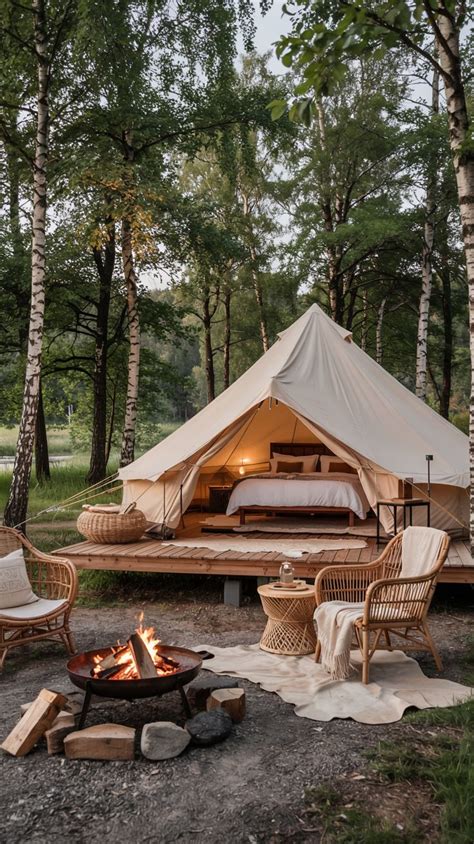
The primary advantage of a 3-room family tent is its architectural division, which provides a natural blueprint for zoning. Effective layout planning prevents clutter and ensures that everyone in your group retains personal boundaries while still enjoying communal areas. Treat the central room as your main living space or gathering hub, while dedicating the flanking compartments to sleeping quarters or dedicated changing rooms.
In the central common area, keep the floor plan open to encourage conversation and easy movement between the outer doors. Place low-profile folding furniture or compact floor cushions here rather than bulky chairs that obstruct walkways. In the side bedrooms, prioritize plush sleeping pads, elevated cots, and layered bedding. This structural separation keeps sleeping spaces tidy and separate from foot traffic, maintaining a serene atmosphere for rest after a long day of outdoor activities.
Curating an Aesthetic Vibe with Lighting and Textiles
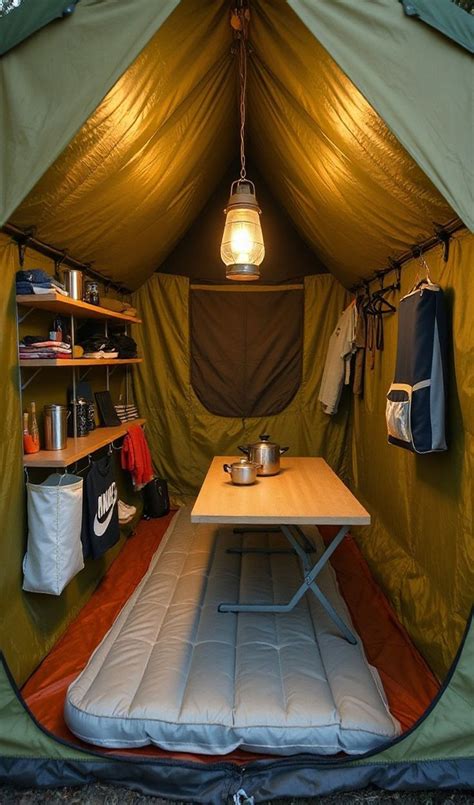
Translating interior design principles to the outdoors relies heavily on layering textures and utilizing warm, ambient lighting. Traditional harsh camping lanterns often wash out the natural beauty of a tent interior, whereas layered lighting sources create depth and coziness. Hang battery-operated string lights along the tent’s interior ceiling seams to cast a soft, welcoming glow once the sun sets.
Introduce textiles to soften the synthetic floors and walls of the shelter. Durable, flat-weave outdoor rugs placed in the central living room define the space and provide a comfortable surface for barefoot relaxation. Layer lightweight wool or cotton throws over sleeping cots and seating areas to introduce rich color palettes and tactile warmth. These thoughtful details instantly shift the atmosphere from utilitarian to deeply inviting and sophisticated.
Managing Gear and Maintaining Visual Order
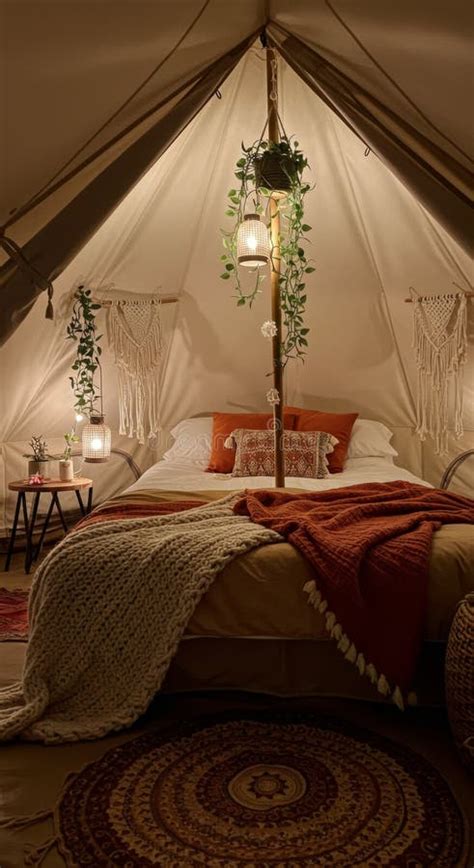
A stylish campsite quickly loses its appeal if personal belongings and camping gear begin to overwhelm the living spaces. To maintain a clean visual aesthetic, incorporate dedicated storage solutions that keep clutter out of sight. Canvas storage bins, hanging pocket organizers, and collapsible storage trunks fit neatly into corners or vestibules, serving as designated drop zones for shoes, electronics, and extra layers.
Encourage your group members to adopt a daily reset routine where personal items are stored away in their respective rooms. By keeping the central communal space clear of stray backpacks and loose equipment, the tent retains its open, airy feel. This level of organization not only enhances the visual harmony of your temporary home but also reduces stress and makes finding essential supplies effortless throughout the trip.
Frequently Asked Questions
How difficult is it to set up a 3-room family tent for group camping?
While multi-room tents are larger and feature more complex pole structures than standard backpacking tents, most modern designs use color-coded poles and straightforward sleeve systems. It is recommended to practice setting up the tent in your backyard once before your trip, and always enlist at least two people to make the process smooth and efficient.
What is the best way to keep the tent floors clean during a group trip?
Establish a strict “shoes-off” policy at the main entrance of the tent. Place a durable outdoor doormat or a piece of turf outside the primary zipper, and provide a dedicated storage bin right inside the door specifically for footwear to prevent dirt and mud from tracking across your interior rugs.
How can I safely use lighting and electronics inside a fabric tent?
Always rely on battery-operated, LED, or solar-powered lighting and power banks instead of open flames, gas lanterns, or traditional candles inside sleeping areas. LED fairy lights and rechargeable puck lights provide ample brightness without fire hazards or toxic fumes, making them ideal for enclosed fabric environments.


