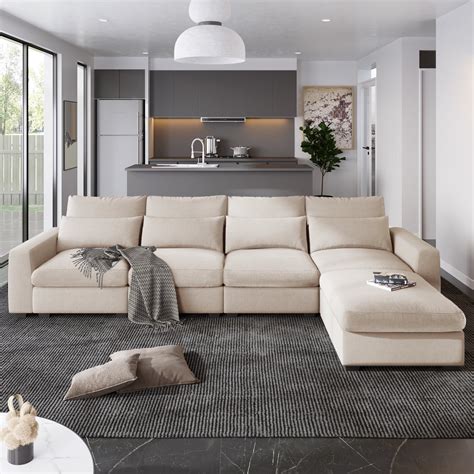
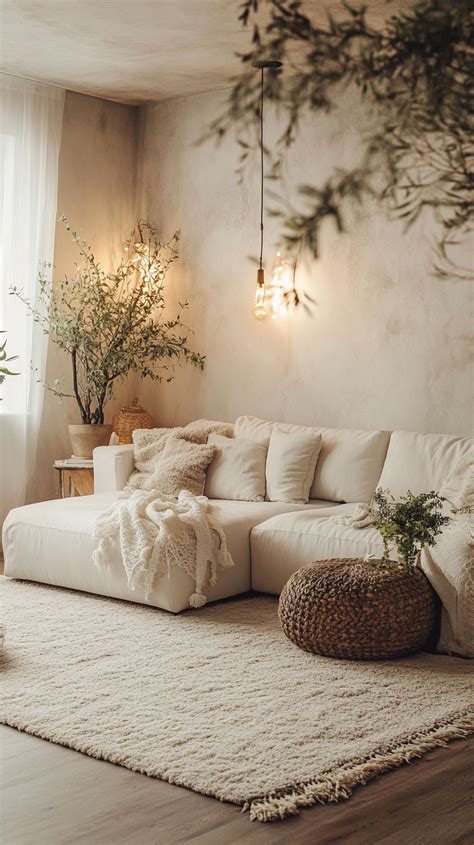
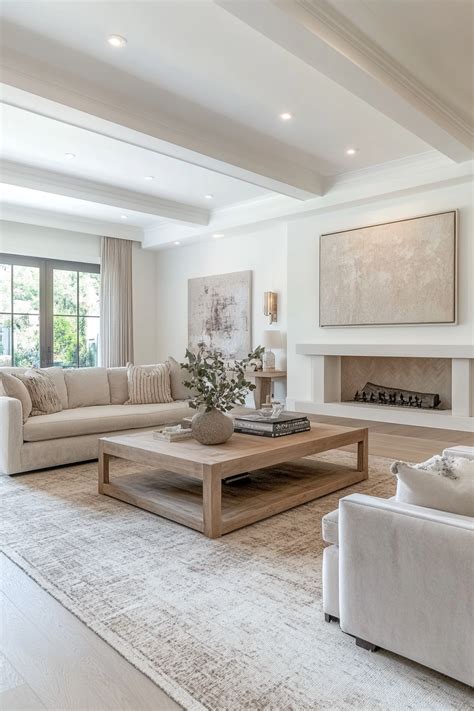
Creating a living room that successfully marries high-end architectural chic with everyday American practicality requires thoughtful planning. Many homeowners and renters struggle to find the sweet spot between a pristine aesthetic that looks straight out of a design magazine and a comfortable space that handles pets, children, remote work, and casual lounging. By understanding the core principles of modern and contemporary interior design, you can curate a space that feels spacious, cohesive, and deeply personal.
Understanding Modern vs. Contemporary Design in American Homes

Before moving any furniture or purchasing new decor, it helps to clear up a common design confusion: the difference between modern and contemporary styles. While often used interchangeably in everyday conversation, they represent distinct eras and visual philosophies that impact how you style a room.
Strictly speaking, modern design refers to a specific historical period rooted in the early-to-mid 20th century. It emphasizes clean architectural lines, warm wood tones, organic silhouettes, and a defined minimalist approach. Contemporary design, on the other hand, is fluid; it describes what is happening right now in interior design. Contemporary spaces often feature bolder color accents, curving organic shapes, and innovative sustainable materials that reflect current cultural shifts.
For typical American homes—which frequently feature open-concept layouts, high ceilings, or distinct suburban footprints—blending these two styles works best. You can anchor the room with the timeless structural integrity of mid-century modern furniture while layering contemporary art, lighting, and textiles to keep the space looking fresh and current.
Mastering Spatial Layouts and Open-Concept Zoning
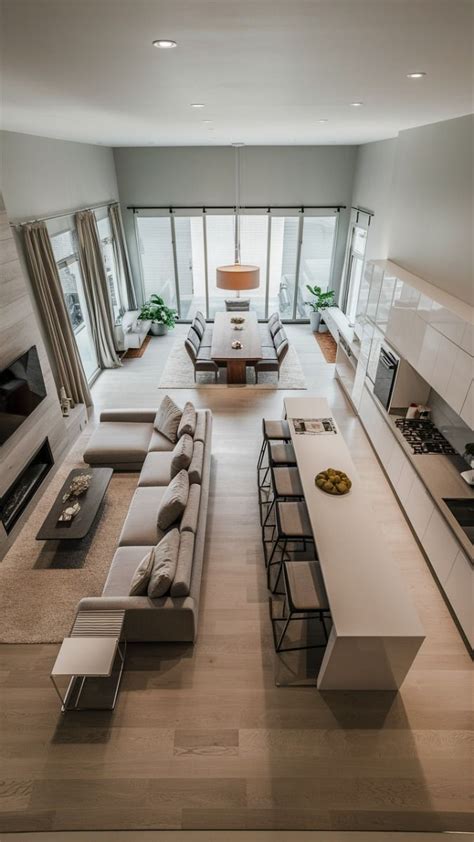
One of the defining features of contemporary American floor plans is the open-concept layout that connects the living room directly to the kitchen and dining area. While this creates an airy, expansive feel, it can easily lead to visual clutter and a lack of intimacy if furniture is simply pushed against the perimeter walls.
To establish a chic environment, use intentional zoning techniques instead of physical walls. Anchor your main seating group—such as a clean-lined sectional or a sofa paired with two accent chairs—on a large, high-texture area rug that defines the conversation zone. Ensure there is adequate breathing room around every piece of furniture, allowing traffic to flow naturally from the entryway through the living space toward the kitchen.
Renters facing awkward architectural quirks or expansive blank walls can use floating furniture arrangements to pull the eye inward. Instead of relying solely on the television as the focal point, create a dual focal point by pairing a conversational seating cluster with a striking piece of oversized art or an architectural bookshelf. This makes large, boxy American living rooms feel balanced and intentionally designed.
Color Palettes and Lighting Layers for a Cozy Yet Chic Vibe
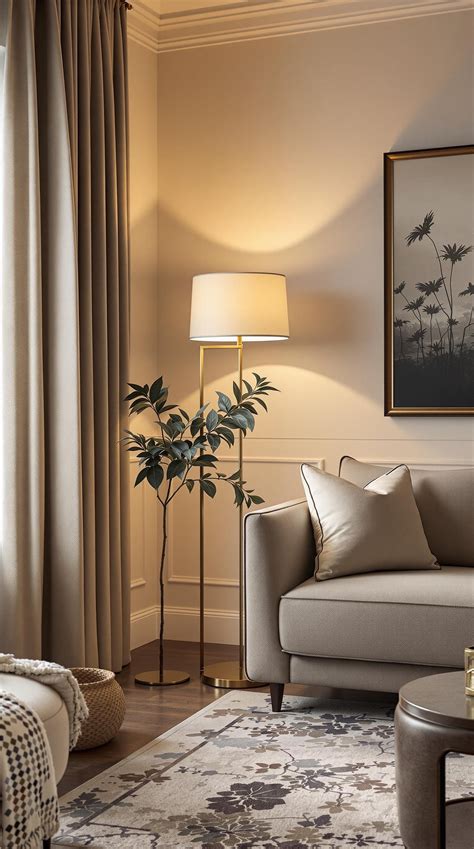
Achieving a modern aesthetic does not mean your living room has to feel cold or sterile. The secret to a welcoming yet sophisticated atmosphere lies in a sophisticated neutral color palette combined with rich textural contrasts and layered lighting.
Start with a versatile neutral base such as warm white, soft taupe, or muted greige for your walls and large upholstery pieces. Layer in depth through tactile elements like boucle accent chairs, linen throw pillows, raw-edge wooden coffee tables, and matte black metal accents. This monochromatic yet textured approach prevents the room from feeling flat.
Lighting is equally crucial for setting the right mood. Avoid relying on a single overhead flush-mount fixture, which can create harsh shadows. Instead, incorporate a three-tiered lighting plan: ambient overhead dimmers, task lighting such as a sleek arc floor lamp beside the sofa, and accent lighting like table lamps on a console or picture lights over artwork. Dimmers are especially valuable in open-concept spaces, allowing you to transition the room from a bright daytime workspace to an intimate evening lounge effortlessly.
Prioritizing Everyday Functionality and Smart Storage
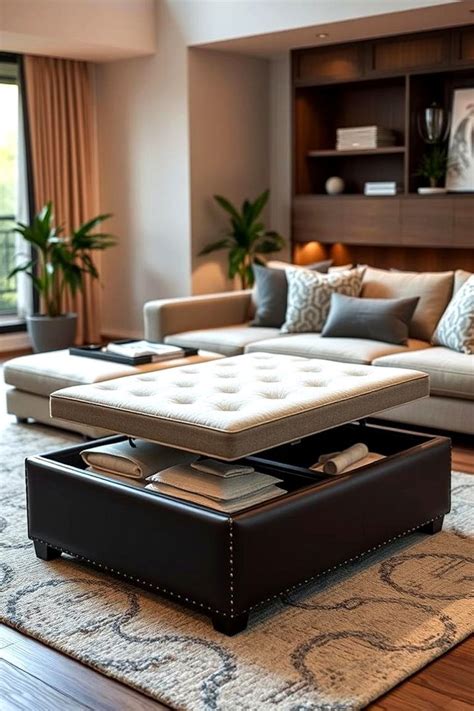
A truly successful living room design must accommodate real life. Whether you are managing children’s toys, pet accessories, extra throw blankets, or electronic charging cables, visible clutter is the fastest way to undermine a chic modern aesthetic.
Opt for dual-purpose furniture pieces that earn their footprint. A storage ottoman can double as extra seating or a footrest while hiding board games and extra pillows. Coffee tables with lift-tops or hidden drawers provide a convenient surface for working on a laptop while keeping remotes and magazines out of sight when guests drop by. Built-in or modular media consoles with closed cabinetry help conceal unsightly cords and routers while maintaining clean horizontal lines.
When choosing fabrics, prioritize performance textiles like stain-resistant performance velvets, heavy-duty linens, or easy-to-clean woven synthetics. These materials allow you to embrace lighter color palettes—such as cream or light gray—without living in constant fear of spills or everyday wear and tear, proving that high design and practical living can comfortably coexist.
Frequently Asked Questions
What is the main difference between modern and contemporary living room styles?
Modern design refers to a defined historical era from the 20th century featuring clean lines, organic silhouettes, and warm earth tones. Contemporary design reflects current design trends and is more fluid, often incorporating bold contrasts, curved furniture shapes, and experimental materials.
How can I make a large open-concept living room feel cozy?
You can create intimacy in an open-concept space by floating your furniture away from the walls, using a large area rug to anchor the seating zone, and incorporating warm textures like wood, woven fabrics, and layered lighting with dimmer switches.
What are the best furniture choices for households with children or pets?
Look for rounded furniture corners to prevent bumps, performance fabrics that resist stains and moisture, and smart storage furniture such as lift-top coffee tables and deep storage ottomans that keep everyday clutter hidden.
How do I choose the right lighting for a modern living room?
Avoid relying only on overhead lights. Use a layered approach that combines ambient fixtures, floor lamps for task lighting, and table lamps or wall sconces to create warmth and versatility throughout the day.