Grey flooring has become a staple in modern American homes, offering a versatile, neutral foundation that bridges traditional and contemporary aesthetics. Whether you are working with weathered grey hardwood, sleek luxury vinyl planks (LVP), or modern grey tile, the primary design challenge is often preventing the space from feeling cold or sterile. Because grey sits on the cooler end of the color spectrum, styling a living room around these floors requires a thoughtful approach to color theory, lighting, and tactile elements. By balancing cool floor tones with warm furnishings and intentional layers, you can create a living space that feels deeply welcoming and visually dynamic.
Successfully designing around grey floors starts with identifying the subtle undertones of your specific material. Some grey flooring leans toward blue or green, while others feature warm beige or taupe undertones, often referred to as ‘greige.’ Recognizing these underlying hues helps prevent color clashes when selecting paint, upholstery, and accessories. Once you understand the baseline temperature of your room, you can curate a palette and layout that enhances the architectural character of your home while maximizing comfort and everyday livability.
Choosing Wall Colors That Complement Grey Flooring
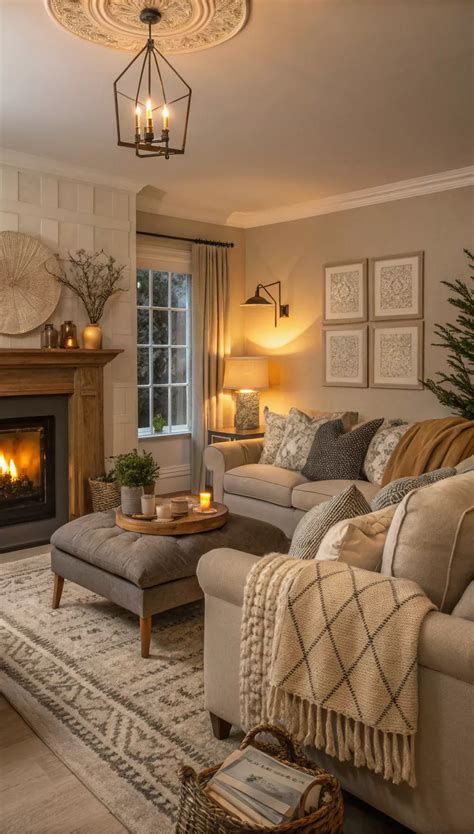
Selecting the right wall paint is the most impactful decision you will make when styling a room with grey floors. To keep the atmosphere balanced, many interior designers recommend leaning into warm neutrals or rich, saturated hues that contrast with the floor’s coolness. Soft off-whites with creamy undertones, warm beiges, and gentle taupes create a harmonious envelope that prevents the room from feeling stark. If you prefer a more dramatic look, deep charcoal or muted olive green walls can wrap the space in a sophisticated, moody embrace while making the lighter elements of your decor pop.
When natural U.S. sunlight streams through your living room windows throughout the day, it alters how wall paint and grey flooring interact. North-facing rooms receive cooler, bluer light, making warm wall colors essential to counteract the chill. Conversely, south-facing rooms flood interiors with bright, warm light, allowing you to experiment with cooler greys, crisp whites, or soft blue-greens on the walls without sacrificing comfort. Always test large paint swatches on multiple walls and observe how they look against your flooring at different hours before committing to a full room repaint.
Layering Textures and Textiles for Instant Warmth
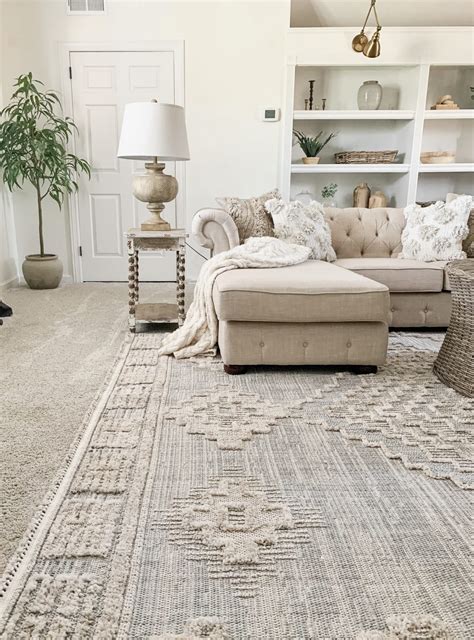
Because grey flooring often features a smooth, uniform surface, introducing tactile variety is essential for creating visual depth and physical coziness. The most effective way to achieve this is through strategic textile layering, starting with a large, high-pile area rug. A thick wool, jute, or vintage-style patterned rug placed beneath your primary seating arrangement breaks up the expanse of grey flooring and provides a soft landing pad for your feet. Look for rugs that incorporate warm accents like terracotta, mustard yellow, rust, or rich browns to bridge the gap between the floor and your upper decor layers.
Beyond flooring treatments, lean heavily into mixed textiles on your upholstery and accessories. Combine smooth leather sofas with chunky knit throw blankets, velvet accent pillows, and woven linen drapery. This interplay of tactile surfaces tricks the eye, ensuring the room feels rich, layered, and curated rather than flat. Incorporating natural wood elements, such as a reclaimed coffee table or walnut media console, further introduces organic warmth that offsets the industrial feel of modern grey flooring.
Balancing Furniture Choices for Light vs. Dark Grey Floors
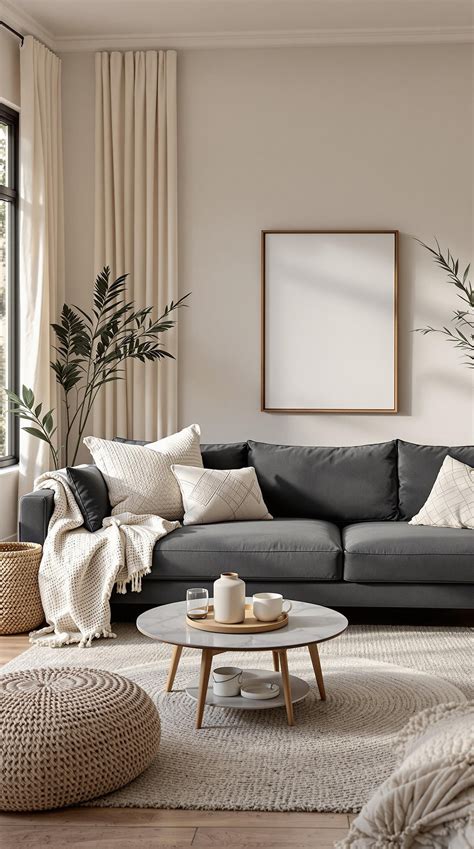
Your choice of furniture should take into account whether your grey floors are light or dark, as contrast is key to a successful layout. Light grey floors create an airy, expansive feel that can handle bolder furniture choices. You can anchor light floors with dark charcoal, navy, or emerald green velvet sofas without making the room feel heavy. The high contrast creates a striking, modern focal point that defines the conversation area and keeps the space visually grounded.
On the other hand, dark grey floors absorb a lot of light and demand a lighter touch with furniture to prevent the room from feeling closed in. Pair dark floors with cream, beige, or light grey upholstered seating, and elevate the room with furniture featuring exposed light-wood legs or metallic accents like brushed brass and gold. These reflective finishes bounce ambient light around the room, creating a luminous contrast against the rich, moody foundation of the dark flooring.
Enhancing Grey Tones with Strategic Accent Lighting
Lighting plays a pivotal role in how grey flooring is perceived in a living room, dictating whether the space feels inviting or clinical. Relying solely on harsh overhead recessed lighting can wash out the subtle variations in your grey floors. Instead, build a multi-layered lighting plan that includes eye-level table lamps, warm floor lamps tucked into reading corners, and dimmable wall sconces. Choosing lightbulbs with a warmer color temperature—typically between 2700K and 3000K—will instantly infuse a golden glow that softens the cool undertones of grey flooring.
Incorporating reflective decor elements can also amplify your lighting strategy. Mirrors placed opposite windows capture and circulate natural sunlight, while glass or polished metal coffee tables prevent heavy visual blockades at floor level. When evening arrives, the combination of layered lamps and warm light bouncing off these surfaces ensures your living room remains a cozy, welcoming retreat for family and guests alike.
Frequently Asked Questions
What colors go best with grey flooring in a living room?
Warm neutrals like cream, beige, and greige work wonderfully to balance cool grey floors. For a bolder look, consider rich jewel tones like emerald green or navy blue, as well as warm earthy accents like terracotta and rust.
How do I keep a grey floor living room from feeling too cold?
To combat a chilly aesthetic, incorporate plenty of tactile textiles such as wool rugs, chunky knit throws, and velvet pillows. Adding natural wood furniture and warm ambient lighting will also instantly boost the room’s coziness.
What type of furniture contrasts best with light versus dark grey floors?
Light grey floors pair well with dark, saturated furniture like navy or charcoal sofas to create striking contrast. Dark grey floors look best with lighter furniture pieces in cream, beige, or light wood tones to keep the space bright and balanced.
How can I use rugs to anchor a living room with grey flooring?
Use a large area rug that is big enough to fit at least the front legs of your main seating furniture. Choose a rug with warm undertones, a plush pile, or an interesting texture to break up the smooth surface of the floor and define the conversation space.


