For generations, homeowners faced a difficult compromise when shopping for living room furniture. You could either invest in sleek, design-forward sofas that elevated the room’s aesthetic or opt for plush, oversized recliners that offered unmatched relaxation but dominated the floor plan with a bulky silhouette. Fortunately, modern furniture manufacturing has evolved significantly. Today’s stylish reclining living room sets bridge that persistent design gap by integrating hidden mechanisms, clean lines, and tailored upholstery into pieces that look completely at home in a curated, contemporary interior.
Achieving a balanced space requires looking beyond the initial comfort test in the showroom. Homeowners need to evaluate how these substantial pieces interact with natural light, traffic flow, and existing accent furniture. By understanding the nuances of mechanism engineering, upholstery durability, and spatial clearance, you can create a welcoming hub for family relaxation that still looks polished and intentional.
The Evolution of Reclining Furniture Aesthetics
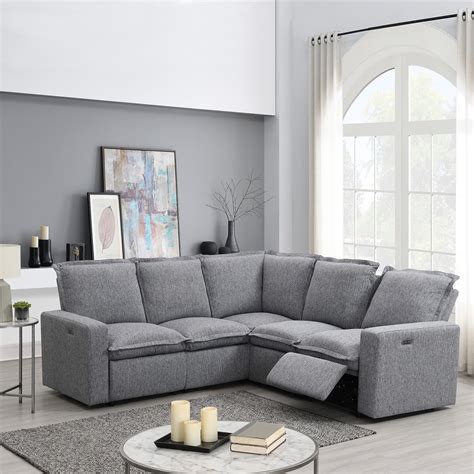
The traditional image of a reclining sofa usually involves overstuffed arms, heavy pub backs, and a distinct lack of versatility. While these classic models prioritized lumbar support above all else, they frequently clashed with minimalist, transitional, or Scandinavian design aesthetics. Manufacturers have responded to shifting consumer tastes by adopting slim-profile arms, tapered wooden legs, and subtle tufting that mimic stationary furniture silhouettes.
When shopping for a contemporary setup, look for silhouettes that feature split-back cushions or power headrests. These features allow the sofa to maintain a lower profile when upright, preventing it from overwhelming the visual weight of the room. By choosing pieces with tailored tailoring rather than loose, pillowy stuffing, you ensure your seating area retains a sophisticated edge while still offering effortless, customizable lounging positions for movie nights or afternoon reading sessions.
Selecting the Right Upholstery for Your Lifestyle
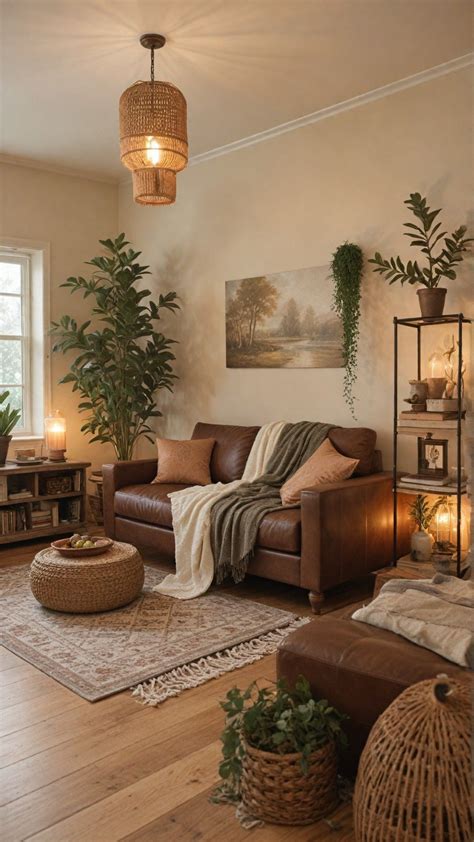
Material selection dictates both the visual character and the practical longevity of your living room set. Top-grain leather remains a perennial favorite for American homes because it develops a rich patina over time and adds an immediate sense of understated luxury. However, households with active children or pets often find greater peace of mind with heavy-duty performance fabrics, which resist staining, scratching, and daily wear without sacrificing a soft, inviting hand-feel.
When assessing performance textiles, pay close attention to the double-rub count and weave density. A tightly woven textured chenille or heavy microfiber can withstand years of friction from reclining mechanisms while complementing neutral color palettes. Neutral grays, warm taupes, and muted earth tones tend to offer the best long-term versatility, allowing you to easily update your accent pillows, rugs, and wall colors as design trends shift.
Power Versus Manual Mechanisms: Weighing Your Options
Deciding between a power reclining set and a traditional manual pull-handle design involves balancing convenience with mechanical simplicity. Power recliners operate via smooth electric motors, allowing users to stop the footrest and backrest at any precise angle. Many modern power sets also include built-in USB charging ports, power lumbar support, and memory buttons, which add a layer of everyday luxury that appeals to tech-savvy households.
Conversely, manual recliners rely on an internal latch or body weight to shift positions. While they lack the infinitely adjustable sweet spots of motorized units, manual sofas generally present a lower upfront cost and fewer mechanical components that might require future maintenance. If you prefer a clutter-free aesthetic without visible cords or electrical outlet dependencies near the center of your room, a well-engineered manual mechanism might serve your household better.
Strategic Space Planning for Reclining Living Room Sets
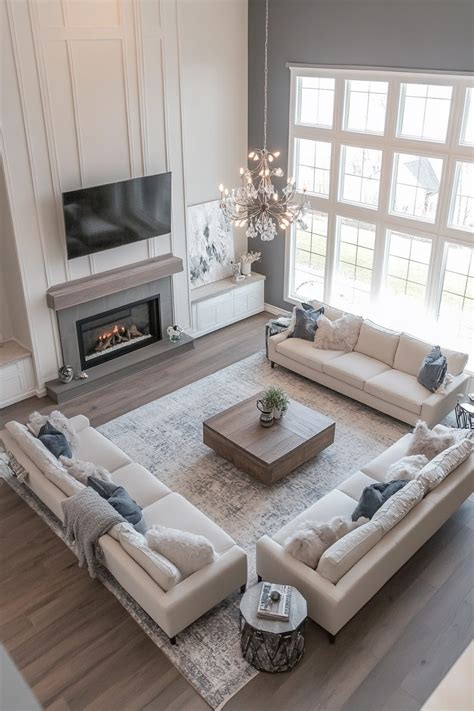
Integrating large-scale reclining furniture into a typical American living room requires careful spatial planning. Traditional recliners demand significant wall clearance to fully extend, which can create awkward gaps behind the sofa if not accounted for during the layout phase. Wall-hugger mechanisms solve this dilemma by sliding forward as they recline, requiring only a few inches of breathing room between the backrest and the living room wall.
Beyond wall clearance, consider the traffic pathways through your seating arrangement. Ensure there is at least thirty inches of clear walking space around the coffee table and side tables, even when the footrests are fully extended. Arranging your set around a central focal point, such as a fireplace or an entertainment console, helps anchor the room so that the functional nature of the furniture enhances, rather than disrupts, the overall interior harmony.
Frequently Asked Questions
How can I find a reclining sofa set that doesn’t look bulky?
Look for models featuring slim track arms, elevated tapered legs, and power headrests. These design elements reduce the visual weight of the furniture, helping it resemble a standard high-end stationary sofa while still concealing a full reclining mechanism.
What are the best upholstery materials for families and pets?
Performance fabrics with high double-rub ratings, such as heavy-duty microfiber or treated chenille, are ideal because they resist stains, snags, and routine friction. Top-grain leather is also a durable, easy-to-wipe choice that handles everyday family life gracefully.
How much space do I need to leave behind a reclining sofa?
Standard reclining sofas typically require anywhere from 4 to 12 inches of wall clearance to fully extend. However, if you choose a wall-hugger reclining set, the frame shifts forward as it reclines, drastically reducing the required clearance to just a few inches.
Are power recliners worth the investment compared to manual ones?
Power recliners offer micro-adjustable comfort, integrated charging ports, and smooth, quiet operation, making them worth the investment for those who spend considerable time lounging. Manual recliners are better suited for budget-conscious buyers seeking fewer electrical components.


