Expanding your usable living space doesn’t always require a costly home addition or a permanent pavilion build. Across suburban neighborhoods and sprawling rural properties in the United States, homeowners and renters are increasingly looking outdoors to fulfill their entertaining and relaxation needs. By introducing large tents available on online marketplaces like Amazon, you can quickly establish a versatile footprint that protects against unpredictable weather while defining a distinct functional zone in your yard.
Transforming a patch of grass or a concrete patio into a stylish outdoor sanctuary involves more than simply unfolding a temporary shelter. It requires careful spatial evaluation, understanding the structural differences between heavy-duty commercial canopies, party tents, and luxury glamping models, and applying interior design principles to the open air. This guide explores how to select, anchor, and decorate large tents to create a cohesive backyard retreat tailored to your lifestyle.
Assessing Your Backyard Layout and Spatial Requirements
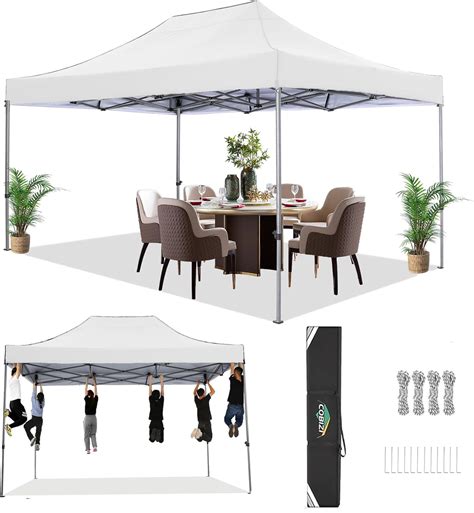
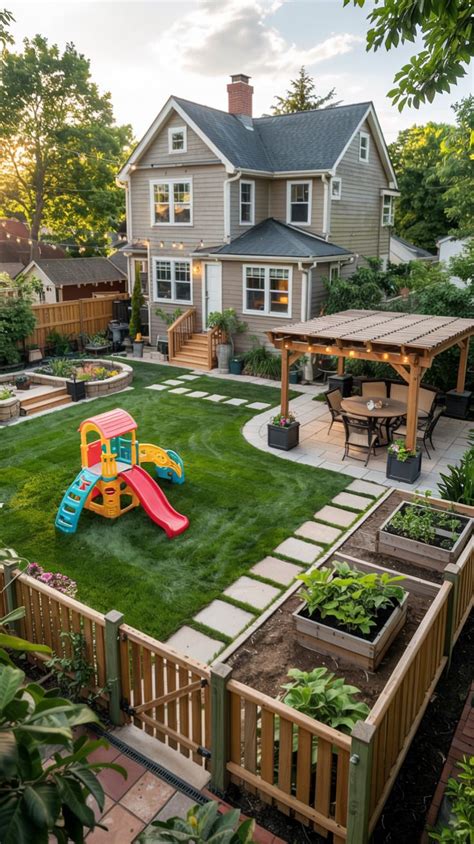
Before browsing e-commerce platforms for large tents, you must measure your available outdoor footprint and account for local property lines, overhead tree branches, and underground utilities. American residential lots vary dramatically, ranging from compact urban townhome courtyards to expansive suburban lawns. Mapping out your yard ensures that the shelter you choose fits comfortably without overwhelming your landscaping or blocking essential pathways.
Consider how you intend to use the space most frequently. If your primary goal is hosting weekend family gatherings or dinner parties, you will need a structure with ample vertical clearance and unobstructed floor space, such as a high-peaked party tent. Conversely, if you are designing a tranquil reading nook or an outdoor workspace, a mid-sized bell tent or dome canopy with room for plush seating and side tables is usually more than adequate.
Choosing the Right Category of Tent on Amazon
Amazon features an extensive inventory of large shelters, each engineered for distinct purposes. Selecting the correct structural type is critical for ensuring longevity and user satisfaction in U.S. climates. Heavy-duty frame canopies with galvanized steel poles offer exceptional stability for seasonal setups, while soft-sided yurt or bell tents prioritize aesthetic charm and weather-tight canvas materials for a genuine glamping experience.
When evaluating listings, look past promotional photographs and carefully read technical specifications regarding fabric weight, frame material, and waterproof ratings. Powder-coated steel frames resist rust better than untreated metals, and polyurethane-coated polyester or thick cotton canvas provides reliable defense against sudden rain showers. Balancing your aesthetic goals with the practical realities of material durability prevents premature wear and tear.
Anchoring and Weatherproofing for American Climates
Weather patterns across the United States vary wildly, from humid southern storms and coastal gusts to dry western heat and northern winter snow loads. Large tents act as wind sails due to their expansive surface area, making proper anchoring non-negotiable. Depending on whether your backyard surface consists of soft soil, clay, or hard concrete pavers, you will need specific hardware such as heavy-duty spiral stakes, concrete anchor bolts, or weighted water-fillable base plates.
In addition to structural anchoring, sealing seams and managing internal condensation are vital maintenance steps. Many large Amazon tents arrive with factory-taped seams, but applying an additional waterproof spray to stitching lines guarantees dryness during heavy downpours. Positioning your tent on a slightly elevated wooden platform or laying down heavy-duty outdoor rugs also prevents ground moisture from seeping upward into your living area.
Styling Your Outdoor Haven with Furniture and Lighting
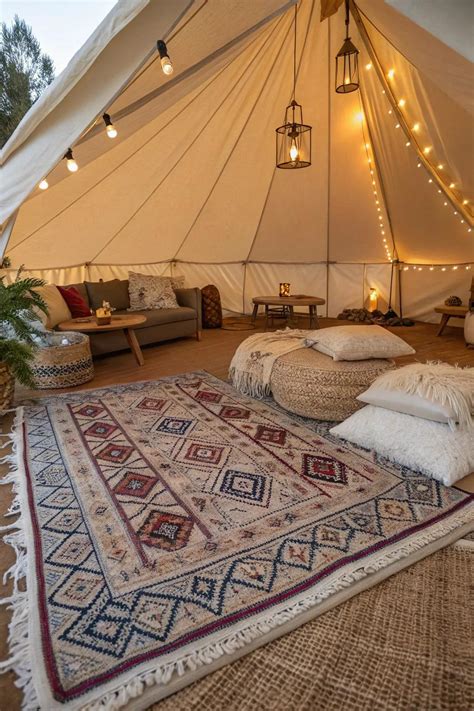
Once your tent is securely erected, the real interior design transformation begins. Treating the tent floor as an extension of your indoor living room helps blur the boundaries between architecture and nature. Layering weather-resistant outdoor rugs provides texture, warmth, and comfort underfoot, while anchoring the arrangement of furniture pieces like wicker sofas, wooden coffee tables, and upholstered lounge chairs.
Lighting sets the emotional tone for your backyard sanctuary as daylight fades. String lights, solar-powered lanterns, and LED floor lamps create a warm, inviting ambiance without requiring dangerous extension cords running across your lawn. Incorporating textiles such as throw pillows, cotton blankets, and lightweight linen curtains along the tent frame adds softness, color, and privacy, turning a simple utility structure into a luxurious outdoor haven.
Frequently Asked Questions
What size tent is best for a standard American backyard?
For most typical suburban backyards, a 10×20 foot canopy or a 13-foot diameter bell tent offers an ideal balance. It provides plenty of room for seating or a dining table without completely dominating the landscape or violating standard property set-back guidelines.
Can I leave an Amazon party tent or canopy up permanently?
Most standard consumer tents sold online are designed for temporary or semi-permanent seasonal use. Leaving them erected year-round exposes them to UV degradation, heavy snow loads, and high winds, which can compromise the frame and fabric integrity.
How do I anchor a large tent on a paved patio instead of grass?
When staking into soil is impossible, use heavy-duty weight bags filled with sand, gravel, or water attached to each leg. Alternatively, you can use masonry anchors if local regulations and patio surfaces permit drilling small holes.
What is the easiest way to prevent moisture buildup inside a large fabric tent?
Ensure adequate cross-ventilation by keeping windows and mesh doors open when weather permits. Using a breathable ground tarp that is slightly smaller than the tent footprint also stops condensation from trapping moisture underneath the floor.


