Stepping into an extra-large family campsite often presents a unique spatial challenge. Instead of a cozy nook, you are greeted with a vast footprint of dirt, grass, and canvas that can easily feel chaotic if gear is left scattered everywhere. By applying interior design principles to your outdoor setup, you can bridge the gap between rugged survivalism and refined hospitality. Treating your campsite as an open-air home allows you to create distinct areas for relaxation, dining, and sleeping that function smoothly while offering genuine visual appeal.
Achieving this transformation requires moving past utilitarian thinking and embracing thoughtful layout planning. When you intentionally zone your site, select weather-resistant furnishings with clean profiles, and layer warm atmospheric lighting, the entire environment shifts. The resulting space feels less like a temporary camp and more like a curated, welcoming outdoor extension of your permanent residence. Below, we explore practical methods to elevate your next large-scale family camping experience through smart design and organization.
Zoning Your Extra-Large Campsite for Flow and Function
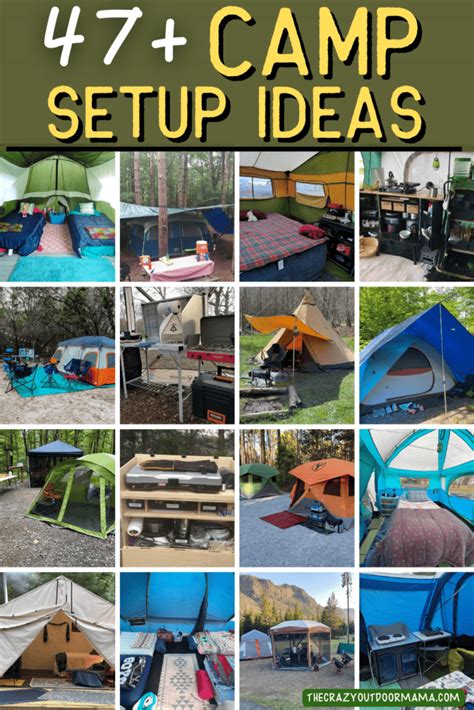
An expansive campsite footprint offers plenty of breathing room, but without a clear floor plan, it can quickly devolve into a messy obstacle course of coolers, backpacks, and folding chairs. To prevent this, borrow the open-concept zoning strategy used in modern residential architecture. Divide your overall square footage into three distinct zones: a social living area, a dedicated culinary station, and a private sleeping quarters. Establishing these physical boundaries creates a natural traffic flow, ensuring that someone walking from the tent to the water spigot does not trip over the camp stove setup.
Start by anchoring your social hub at the center of the site, positioning it at a safe, respectful distance from any fire ring or cooking apparatus. Radiate your movement paths outward from this central gathering space. Keeping the kitchen downwind and slightly separated from the main living area helps control smoke and food odors, keeping your primary lounging zone clean and comfortable. Clear, purposeful pathways between these zones reduce daytime friction and make evening navigation much safer for children and adults alike.
Defining the Social and Sleeping Zones
The social zone should mimic a living room layout, grouping comfortable seating around a central focal point like a low-profile table or a communal rug. Meanwhile, your sleeping zone—typically housed inside a multi-room or extra-large family tent—should remain a sanctuary dedicated entirely to rest. Keep outdoor shoes, muddy boots, and heavy gear strictly outside the sleeping threshold by establishing a transitional mudroom mat right outside the tent zipper. This simple boundary preserves the cleanliness of your bedding and maintains a calm, restorative atmosphere inside your shelter.
Selecting Durable and Stylish Outdoor Furniture
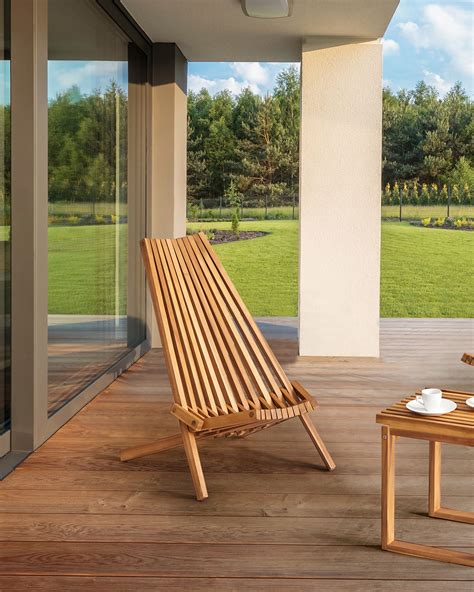
Choosing furnishings for a large family camp requires balancing aesthetic warmth with heavy-duty performance against the elements. Traditional lightweight folding chairs have their place, but mixing in sturdier, elevated pieces instantly upgrades the visual sophistication of your site. Look for foldable lounge chairs featuring natural wood accents, canvas slings, or neutral earth tones that blend harmoniously with the surrounding landscape rather than clashing with it in bright neon plastics.
Incorporate multi-functional items such as folding wooden side tables or collapsible storage benches that double as extra seating when family members gather round. When arranging these pieces, avoid pushing everything flush against the edges of your canopy or tent walls. Pulling furniture toward the center creates an intimate conversation pit that feels deliberate and cozy, encouraging people to relax and converse comfortably rather than lining up along the perimeter like spectators.
Layering Atmospheric Lighting for Safety and Mood
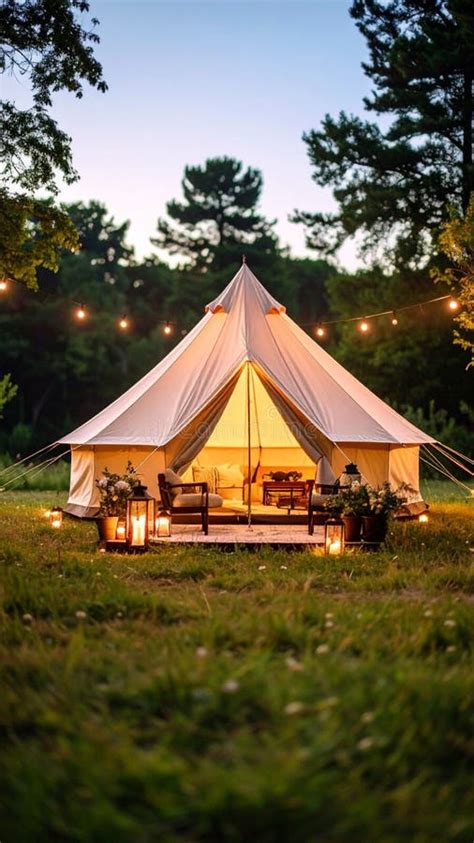
Lighting makes or breaks the ambiance of an outdoor living space once the sun dips below the tree line. Relying solely on a harsh overhead lantern creates unflattering glare and kills the relaxed mood you worked hard to build. Instead, approach outdoor lighting with the same layered philosophy you would use in a residential living room, combining ambient, task, and accent illumination to create depth and warmth.
String low-voltage LED fairy lights or vintage-style bulb strands along your canopy edges or tree branches to cast a soft, welcoming glow over the social zone. Pair these overhead accents with tabletop solar lanterns or battery-operated candles placed safely on central surfaces. For practical safety, use warm-toned directional ground stake lights to mark tent guy lines and pathways, preventing nighttime trips and falls without blinding your fellow campers with harsh white beams.
Ground Cover and Flooring Solutions for Comfort
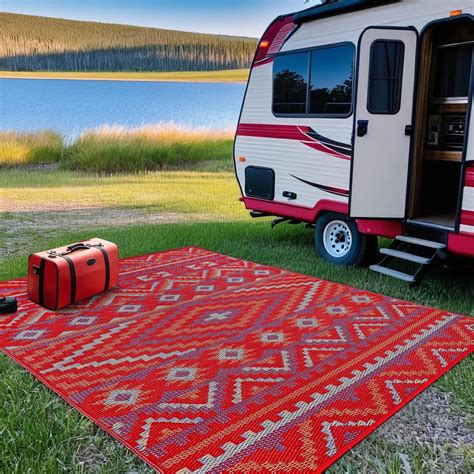
Walking barefoot or in stocking feet adds an unexpected layer of luxury to a family campsite, but achieving this requires intentional ground cover management. Grass can become damp with evening dew, and dirt tracks easily into living spaces. Introducing washable outdoor polypropylene rugs underneath your main seating areas and inside screen rooms instantly transforms the tactile experience of the ground beneath you.
These rugs define your furniture layouts visually while providing a clean barrier that keeps dirt and grass clippings out of your shoes. Inside the tent, layer foam interlocking tiles beneath your air mattresses or sleeping pads to insulate against cold ground temperatures and add a plush, carpet-like cushion. This attention to tactile comfort elevates the entire camp experience, making long hours spent hanging out feel as cozy as sitting in your own family room.
Frequently Asked Questions
How do I organize an extra-large campsite so it doesn’t feel cluttered?
Treat your campsite like an open-concept home by establishing dedicated zones for cooking, sleeping, and socializing. Use storage bins and collapsible containers kept inside vehicle trunks or designated gear tents to corral loose items, ensuring that everyday essentials have a specific home rather than piling up on chairs and tables.
What are the best ways to make a tent feel like a cozy outdoor home?
Focus on tactile comforts and soft illumination. Layer outdoor-safe area rugs on the ground, use plush bedding with textured quilts, and incorporate warm, low-glare battery-operated lighting such as string lights or tabletop lanterns to create an inviting interior sanctuary.
How can I incorporate lighting that is both functional and atmospheric?
Layer your lighting by combining ambient overhead string lights, task lighting for cooking areas, and low-level ground stake lights along pathways and guy lines. Sticking to warm color temperatures prevents harsh glares and fosters a relaxing evening atmosphere while maintaining campsite safety.
What furniture works best for large family camping setups?
Choose pieces that balance weather-resistance with residential style, such as wooden-framed canvas chairs, collapsible side tables, and modular benches. Pulling furniture inward toward a central gathering point rather than lining it against perimeter walls creates a more intimate and cohesive layout.


