For generations, the classic reclining sofa faced a design dilemma: while it offered unmatched relaxation, its bulky frames and overstuffed silhouettes often clashed with curated interior aesthetics. Fortunately, modern furniture manufacturing has evolved significantly. Today’s reclining sectional options blend sleek architectural lines, premium upholstery, and hidden mechanical engineering, allowing you to create a cozy media room or family gathering space that still looks exceptionally stylish and intentional.
Bringing a large piece of furniture into your home requires careful balancing of scale, function, and visual weight. Whether you are furnishing an open-concept suburban home or optimizing a compact urban living room, understanding how to evaluate mechanisms, fabrics, and configurations ensures your investment enhances both your daily comfort and your home’s overall design narrative.
Assessing Scale and Layout in Standard Living Rooms
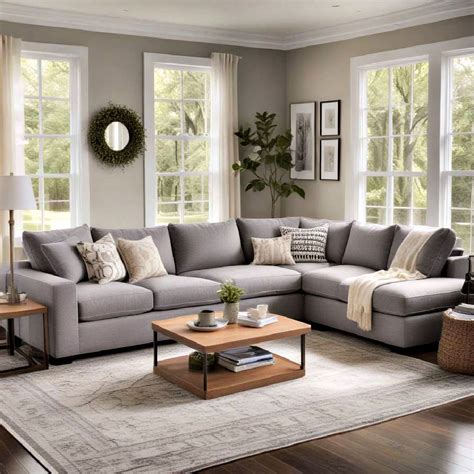
Before browsing upholstery swatches or mechanism options, understanding your room’s spatial dimensions is critical. Sectionals are notorious for dominating a floor plan, and adding reclining functions means you must also account for the extended footprint when seats are kicked back. Standard American living rooms typically require careful zoning to maintain comfortable walking paths and clear sightlines toward media consoles or focal fireplaces.
To prevent your living room from feeling overcrowded, map out your layout using painter’s tape on the floor to visualize the exact perimeter of the sectional. Ensure you leave at least thirty inches of clearance around high-traffic pathways. If your space is on the cozier side, consider an L-shaped configuration rather than a massive U-shaped design. An L-shaped silhouette tucks cleanly into a corner, preserving the center of the room and preventing the furniture from cutting off natural light from windows.
Manual Versus Power Reclining Mechanisms
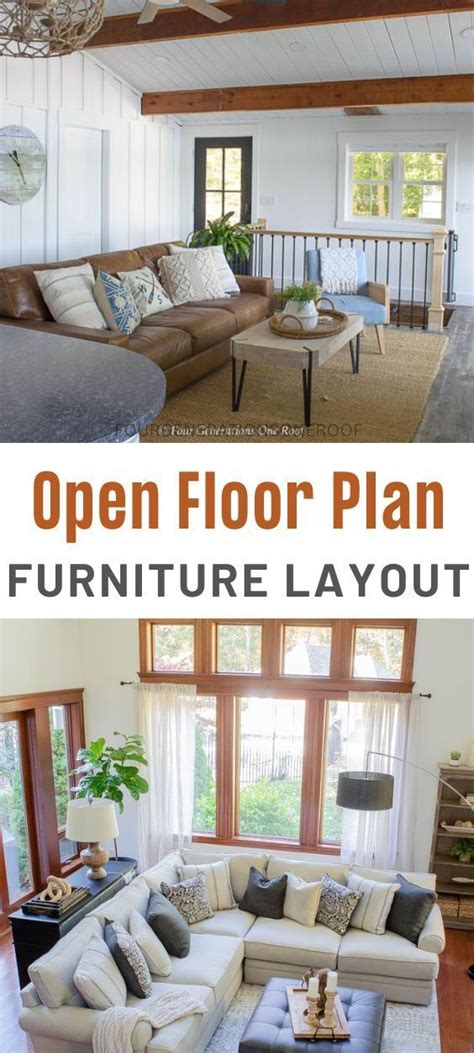
When selecting your sectional, the choice between manual and power reclining mechanisms impacts both your daily user experience and your room’s furniture placement. Manual models typically rely on a pull-tab or internal latch system, requiring physical momentum to recline the footrest. While generally more affordable and straightforward to repair, manual options often lack infinite recline positions and require significant physical effort to lock back into place.
Power reclining sectionals utilize electric motors controlled by discreet buttons embedded in the armrest or side cushion. These systems allow for micro-adjustments, letting you pause the footrest and headrest at any preferred angle. When shopping for power models, look for configurations featuring wall-hugger technology. Unlike traditional recliners that require twelve to eighteen inches of clearance behind the backrest, wall-huggers slide forward on a track as they recline, needing only a few inches of breathing room from the wall.
Choosing the Right Upholstery for Durability and Aesthetics
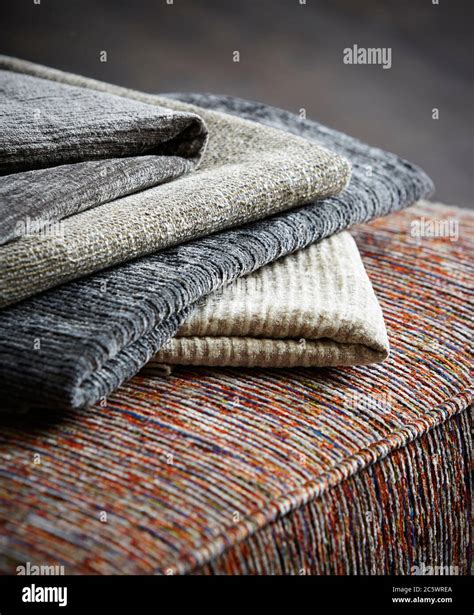
Upholstery choice defines how your reclining sectional interacts with natural light, daily wear, and surrounding decorative elements. Leather remains a timeless choice for luxury living rooms, offering a sophisticated sheen and natural aging process that develops a rich patina over time. Top-grain leather handles everyday spills remarkably well, though it requires routine conditioning to prevent drying and cracking in homes with dry winter climates.
For households with young children or active pets, performance fabrics provide a resilient alternative without sacrificing tactile softness. High-grade woven chenille, microfiber, and crypton-treated textiles resist stains, repel moisture, and withstand heavy scratching better than delicate natural fibers like linen or silk. When styling a fabric sectional, opt for neutral mid-tones like charcoal, warm taupe, or soft oatmeal. These versatile hues anchor the room visually and allow you to layer accent pillows and throw blankets to introduce seasonal color.
Integrating Tech Features Without Cluttering Your Design
Modern reclining sectionals often include built-in amenities designed to enhance convenience during movie nights and weekend lounging. Built-in USB charging ports, hidden storage consoles, and illuminated cup holders transform a standard sofa into a multifunctional entertainment hub. While these features add incredible utility, they can sometimes introduce visual clutter if the console units or control panels appear overly industrial or plastic-heavy.
To maintain a high-end interior aesthetic, look for sectional designs where control buttons sit flush against brushed metal or wood-grain arm trim. Console units with lift-top lids should feature sleek hinges and deep storage compartments that keep remotes, reading glasses, and charging cables completely out of sight when not in use. Balancing these tech-forward elements with plush textiles and refined accent lighting ensures your seating remains sophisticated rather than resembling a commercial theater seat.
Styling Frameworks for Bulky Furniture
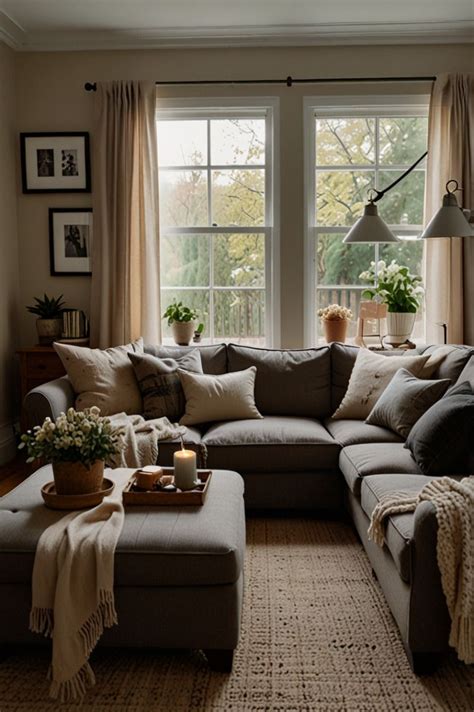
Integrating a substantial reclining sectional into a well-designed room requires intentional styling strategies that soften heavy silhouettes. Because sectionals naturally draw significant visual weight, balance the composition by incorporating open-leg accent furniture nearby. Pair your sectional with a glass-top coffee table, slim metal-framed side tables, or airy rattan accent chairs that allow light to pass underneath, preventing the room from feeling heavy at floor level.
Layering textures is another effective method to harmonize a large piece of furniture with your interior design scheme. Drape a chunky knit wool or faux-fur throw blanket over one corner of the sectional to break up wide expanses of solid leather or fabric. Ground the entire seating arrangement with a generously sized area rug that extends at least six inches past the front legs of the sectional, creating a unified zone that anchors the furniture comfortably within the room.
Frequently Asked Questions
How do I know if a reclining sectional will fit in my living room?
Start by measuring your room’s overall dimensions and doorways to ensure delivery clearance. Use painter’s tape on your floor to outline the sofa’s footprint, keeping in mind that you need at least 30 inches of walking clearance around the edges and extra floor space for the footrests to extend fully.
What is the difference between manual and power reclining sectionals?
Manual sectionals use a physical latch or pull-handle and your body weight to recline, making them budget-friendly but limited in stopping positions. Power sectionals use quiet electric motors operated by buttons, offering infinite reclining angles, adjustable headrests, and smoother daily operation.
How can I make a reclining sectional look stylish rather than bulky?
Choose neutral performance fabrics or sleek leather upholstery, and pair the sectional with airy companion pieces like glass-top coffee tables or open-leg accent chairs. Layering textured throws and oversized cushions helps break up the heavy visual mass of the frame.
What are the best fabrics for families and pets?
Performance microfibers, tightly woven chenilles, and specialized treated fabrics are ideal for households with kids and pets because they resist liquid spills, prevent claw snags, and clean easily with mild soap and water.
How much clearance do wall-hugger reclining sectionals need?
Wall-hugger reclining sectionals are engineered to slide forward as they recline, typically requiring only 3 to 6 inches of clearance between the backrest and the wall, making them much easier to fit into standard room layouts.


