Navigating the vast world of interior design can feel overwhelming, especially when trying to balance current aesthetic shifts with the functional demands of everyday life in the United States. Whether you own a suburban colonial house, an urban apartment, or are currently renting a space that requires non-permanent upgrades, finding reliable design inspiration is essential. Digital platforms like Houzz have revolutionized how Americans discover interior design trends and connect with remodeling professionals, turning abstract ideas into concrete visual roadmaps that guide everything from small cosmetic refreshes to major structural overhauls.
Successfully transforming your living space requires more than simply collecting beautiful photographs on a screen. It demands a structured approach to filtering trends, understanding architectural constraints, and setting realistic budgets for your specific geographic and financial reality. By examining how to effectively curate digital idea books, evaluate trending aesthetics, and decide when to call in local contractors, you can bridge the gap between inspiration and tangible home improvement without falling victim to fleeting design fads that do not serve your household’s daily lifestyle needs.
Translating Digital Design Trends into Real American Living Spaces
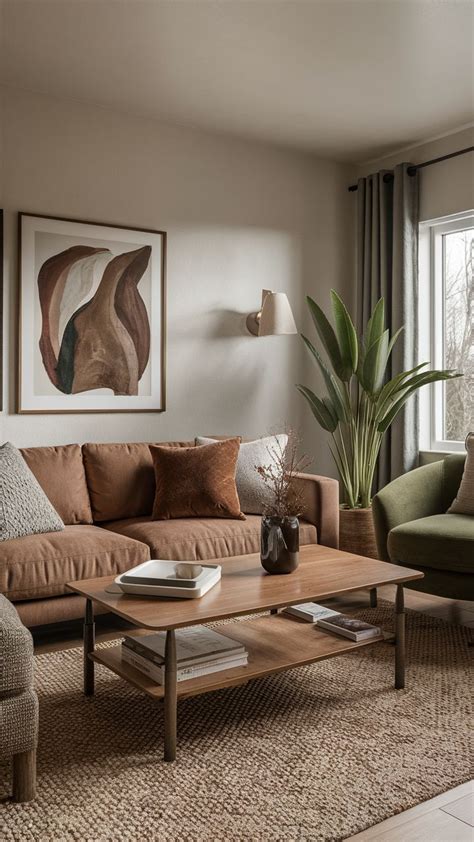
Current interior design trends across the United States lean heavily toward spaces that promote wellness, organic textures, and flexible multi-use functionality. Homeowners are increasingly moving away from stark, minimalist color palettes in favor of warm earth tones, lime-washed walls, and tactile materials such as travertine, unlacquered brass, and reclaimed white oak. When browsing platforms like Houzz for these trending styles, it is easy to become captivated by sprawling, high-end kitchens and luxury master baths that may not match your actual square footage, ceiling heights, or room layouts.
To make these trends work for your home, focus on adapting the core design principles rather than copying an entire room layout verbatim. For instance, if you love the organic modern aesthetic dominating contemporary US suburban homes, try introducing individual elements like curved furniture silhouettes, textured ceramics, or matte black hardware. This allows you to embrace current stylistic directions without committing to a disruptive, expensive structural overhaul. Furthermore, evaluating how a trend interacts with your home’s natural light and existing architectural bones is a critical decision-making step that prevents costly design mismatches down the road.
North-facing rooms in cooler northern US climates benefit significantly from warmer paint undertones, whereas sun-drenched southern spaces can easily support cooler, more subdued color palettes. Taking time to test paint samples, fabric swatches, and material finishes in your actual living environment ensures that digital inspiration harmonizes with your physical surroundings. By prioritizing adaptability and environmental context, you create a timeless interior that feels authentic to your personal lifestyle rather than a carbon copy of a digital showroom.
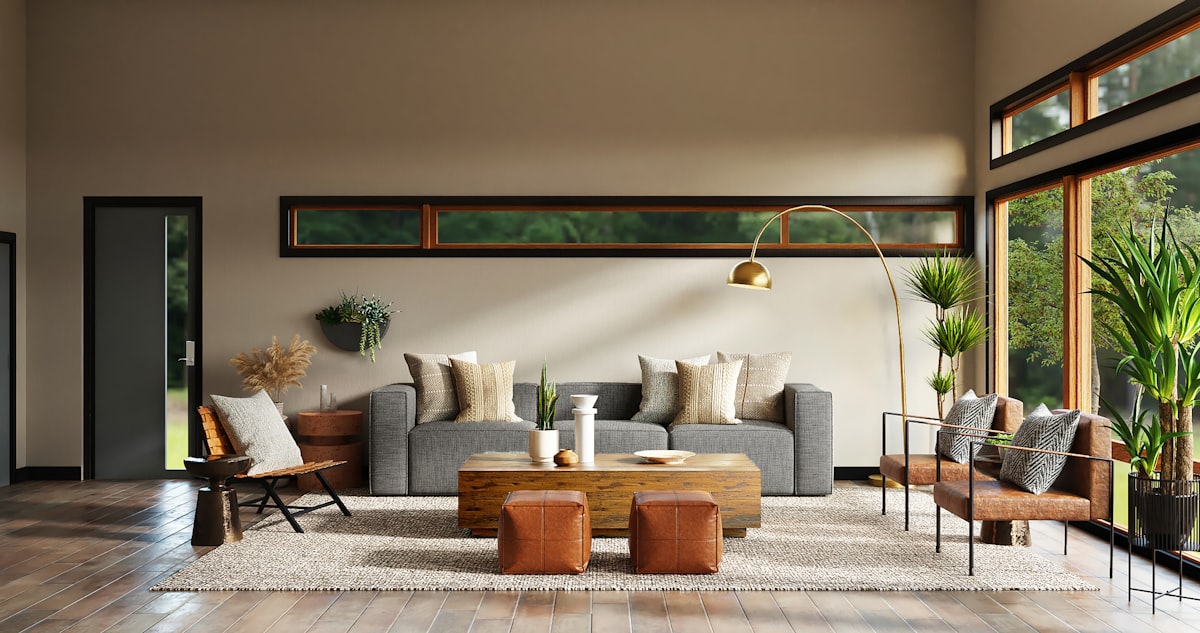
The image above highlights how neutral earth tones and organic textures come together in a contemporary American living space, demonstrating that comfort and style can coexist seamlessly. When incorporating such elements into your own home, pay close attention to scale and proportion. Oversized sectionals or heavy wooden coffee tables can quickly overwhelm a modest suburban living room or urban apartment. Measuring your floor plan meticulously before purchasing anchor furniture pieces guarantees comfortable traffic flow and prevents the room from feeling cramped or cluttered.
Leveraging Idea Books and Professional Networks for Remodeling Success
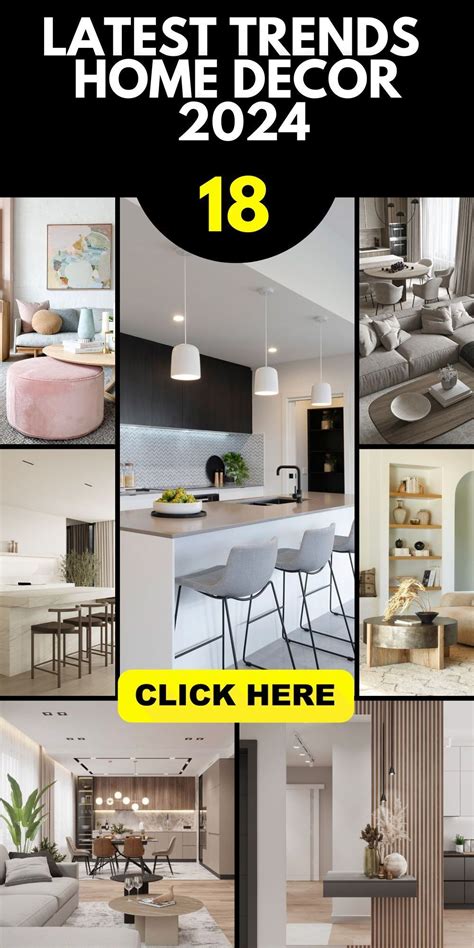
One of the most powerful features of modern home design platforms is the ability to curate digital idea books sorted by room, style, or specific architectural detail. Rather than scattering inspiration across random screenshots, browser tabs, and physical magazine clippings, organizing your remodeling concepts into targeted categories helps clarify your true design preferences. When you review your saved images after a few weeks of active curation, patterns will naturally emerge regarding your preferred lighting fixtures, flooring types, cabinet profiles, and hardware finishes.
Beyond visual inspiration, these platforms serve as valuable directories for connecting with verified local architects, interior designers, and general contractors throughout the United States. Vetting professionals involves looking closely at their past project portfolios, reading genuine client reviews, and verifying local licensing credentials to ensure compliance with regional building codes. Establishing clear communication regarding your project scope, timeline expectations, and hard financial limits during the initial consultation phase sets the foundation for a transparent and successful working relationship.
Balancing DIY Styling with Professional Contractor Expertise
Deciding whether to tackle a home upgrade yourself or hire a professional contractor depends largely on the complexity of the work, local building regulations, and your own comfort level with construction tools. Minor cosmetic updates—such as swapping out cabinet hardware, painting accent walls, installing peel-and-stick wallpaper, or updating decorative light fixtures—are exceptionally well-suited for motivated DIYers and renters looking to personalize their space on a modest budget.
Conversely, any project involving electrical wiring, plumbing layout changes, load-bearing wall removal, or structural framing requires licensed professional intervention to maintain building code compliance and safety. Blending DIY cosmetic styling with professional renovation work allows you to allocate your budget strategically, investing in critical structural integrity while saving money on surface-level decor finishes that you can safely execute over weekends.
Frequently Asked Questions
What are the most popular home decor trends in US homes right now?
Current popular trends across the United States include organic modern design, warm neutral color palettes, textured wall finishes like lime wash, sustainable materials, and multipurpose living areas designed to accommodate remote work.
How can I use Houzz effectively for a home remodel?
You can use the platform to build categorized idea books, research average remodeling costs for your specific US region, and search for licensed local professionals who have verified reviews and past project galleries.
Is it better to hire a designer or do a home makeover myself?
The choice depends on the project scope. Simple decorative updates, painting, and textile choices are great for DIY, while structural, electrical, and plumbing changes should always be handled by licensed professionals.
How do I choose a design style that fits my home architecture?
Look at your home’s exterior style, window placements, and built-in features. While eclectic mixing is popular, anchoring your interior decor with elements that complement your home’s original architectural character creates a more cohesive feel.


