Designing a compact living room often feels like an ongoing exercise in compromise. Homeowners and renters alike frequently worry that limited square footage means sacrificing style, comfort, or personality. However, sophisticated interior design is rarely about the total volume of space you possess. Instead, it relies heavily on proportion, light, and intentional editing. Achieving effortless elegance in a small room is entirely achievable when you focus on smart spatial choices rather than packing in unnecessary furniture pieces.
By implementing a few foundational design principles, you can transform a cramped or uninspiring area into a sophisticated sanctuary. Whether you live in a historic urban apartment or a cozy suburban bungalow, these ten practical strategies will help you maximize your footprint while maintaining a refined, high-end aesthetic.
1. Choose Scale-Appropriate Furniture
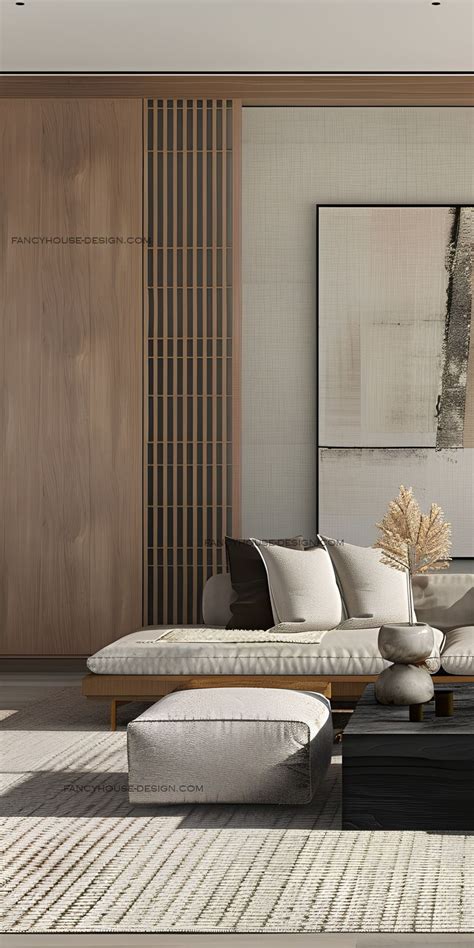
One of the most common pitfalls in small living room design is the impulse to select undersized furniture under the assumption that it will save space. Ironically, filling a room with multiple tiny pieces often results in a cluttered, disjointed look that resembles a dollhouse rather than an inviting lounge. Instead, anchor the room with one or two well-proportioned statement pieces, such as a sleek sofa with exposed legs that allows light to pass underneath.
When evaluating seating, prioritize silhouette over sheer bulk. Low-profile sofas and armchairs with slim arms keep sightlines open and prevent the center of the room from feeling blocked. Floating your furniture slightly away from the walls—even by just a few inches—creates a subtle shadow line that tricks the eye into perceiving a more expansive perimeter.
2. Establish a Cohesive, Light-Reflecting Color Palette
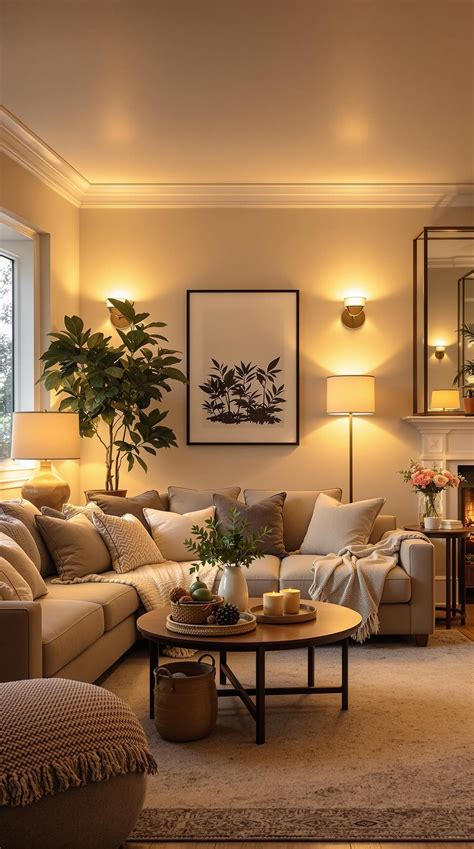
A sophisticated color palette forms the backbone of elegant interior design. In smaller footprints, monochromatic schemes utilizing warm neutrals, soft ivories, muted taupes, or gentle grays create a seamless visual flow. When walls, trim, and large furniture pieces share a similar tonal family, the boundaries of the room begin to recede, instantly making the space feel airier.
To prevent a neutral room from feeling sterile or flat, introduce subtle variations in finish and undertone. Pair a matte chalk-painted wall with a soft linen sofa and a polished brass accent table. This interplay of textures adds tactile depth without introducing visual noise or competing color blocks that can make tight quarters feel choppy.
3. Layer Multiple Light Sources for Depth
Relying solely on a harsh overhead ceiling fixture is a surefire way to flatten the dimensions of a small living room. True elegance relies on ambient, task, and accent lighting working in tandem to create shadows and warmth. Incorporating floor lamps, dimmable wall sconces, and small table lamps at varying heights draws the eye around the perimeter of the room.
Opt for warm bulb temperatures between 2400K and 2700K to foster an inviting atmosphere. Dimmers are an invaluable tool in compact spaces, allowing you to transition the room from a bright, functional workspace during the day into a cozy, intimate retreat by evening.
4. Leverage Mirrors Strategically
Mirrors are a classic design tool for amplifying natural light and creating the illusion of extended square footage, but placement is critical. Avoid hanging a generic mirror directly opposite a blank wall. Instead, position a large, arched or full-length mirror perpendicular to a primary window to capture and bounce incoming daylight across the entire space.
Selecting a mirror with an elegant, architectural frame also serves double duty as a striking wall art piece. By treating the mirror as a focal point rather than a mere utility, you elevate the functional benefit into a sophisticated design moment.
5. Embrace Restrained, Purposeful Decor
Clutter is the ultimate enemy of elegance. In a compact room, every decorative object should earn its place by either serving a daily function or bringing genuine visual joy. Adopt a curated approach by grouping objects in odd numbers on trays or shelves, leaving plenty of negative space around them to let the eye rest.
Rethink heavy, closed cabinetry in favor of open shelving or sleek storage ottomans that conceal everyday items like remote controls, extra throw blankets, and chargers. Keeping surfaces clear preserves the clean lines that define a high-end interior.
6. Introduce Rich Textures and Tactile Layering
When color palettes are kept restrained to maximize space, texture becomes your primary vehicle for visual interest. Layering a variety of tactile materials prevents a neutral room from feeling cold or uninviting. Combine smooth ceramic vases with chunky wool knit throws, distressed leather accent chairs, and woven jute rugs.
The juxtaposition of rough and refined surfaces creates a rich, sensory environment that feels curated over time. This layered approach adds sophisticated weight to the room, proving that small spaces can be just as texturally dynamic as sprawling grand rooms.
7. Draw the Eye Upward with Vertical Lines
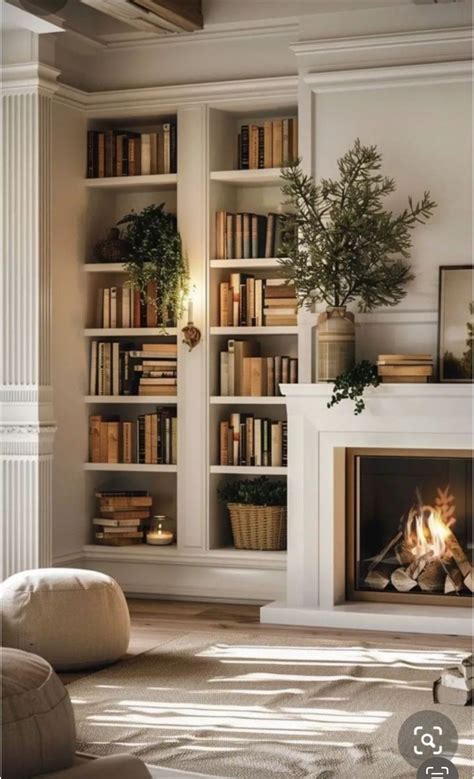
Floor space is finite in a small living room, but vertical space is often underutilized. Drawing the eye upward toward the ceiling helps distract from tight floor dimensions and makes the entire room feel grander. You can achieve this effect by hanging artwork slightly higher than eye level or by styling tall, slender bookshelves that stretch toward the crown molding.
If you enjoy botanical elements, consider incorporating tall indoor trees like a fiddle-leaf fig or a slender olive tree in a corner. Their vertical stature adds organic movement and structural height without taking up significant floor area.
8. Invest in Multifunctional Pieces
Efficiency and elegance are not mutually exclusive; in fact, the most successful small-space designs seamlessly blend both. Look for furniture that performs double duty without sacrificing aesthetic appeal. A storage ottoman can serve as a cocktail table, a spare seat for guests, and a hiding spot for seasonal throws.
Nestled coffee tables are another brilliant solution, allowing you to pull out a smaller secondary table when entertaining and tuck it neatly away when floor space is needed for daily movement. Prioritizing flexibility ensures your living room adapts fluidly to your changing needs.
9. Hang Window Treatments High and Wide
Improper window treatments can instantly stunt a room’s visual height. Avoid hanging standard curtain rods directly at the top of the window frame. Instead, mount your curtain rod a few inches below the ceiling line and extend it past the window trim on both sides.
This clever optical illusion tricks the eye into perceiving larger windows and loftier ceilings. Choose lightweight, translucent fabrics like sheer linen or cotton gauze that diffuse natural sunlight gently while maintaining an airy, graceful drape.
10. Ground the Room with Proper Rug Sizing
A common mistake in small living room layout design is purchasing an undersized area rug that floats like a postage stamp in the middle of the floor. This visually chops up the room and emphasizes its limited dimensions. Whenever possible, select a rug large enough so that the front legs of all major seating pieces rest comfortably upon it.
A generously sized rug anchors the furniture grouping, defines the conversation zone, and creates a unified visual foundation. Opt for subtle geometric patterns or soft textures that complement your color palette without overwhelming the room’s calm atmosphere.
Frequently Asked Questions
How do I make a small living room look luxurious?
To make a small living room feel luxurious, focus on quality over quantity. Choose a cohesive, neutral color palette, incorporate diverse textures like leather, wool, and brass, use layered lighting, and keep surfaces free of clutter. Scale-appropriate furniture with clean lines also elevates the overall aesthetic.
What furniture layout works best in a compact living room?
Floating furniture slightly away from the walls rather than pushing every piece flat against the perimeter creates a sense of breathing room. Choose low-profile seating with visible legs to maintain open sightlines and allow light to flow freely through the space.
What colors make a small room feel bigger and more elegant?
Monochromatic palettes featuring warm whites, soft ivories, pale taupes, and muted grays work best. Keeping walls, trim, and large furniture in the same tonal family eliminates harsh visual boundaries, making the room feel continuous and expansive.
How can I decorate a small living room without cluttering it?
Embrace a curated approach by selecting only meaningful decor pieces and displaying them in small, intentional groupings. Utilize multifunctional furniture with built-in hidden storage, such as ottomans or media consoles, to keep everyday items out of sight.


