Transforming your living environment does not require a massive budget, professional interior design credentials, or a complete structural overhaul. Often, the most profound changes come from refining the foundational elements already present in your home. By approaching interior decoration through intentional adjustments rather than massive purchases, both homeowners and renters can create spaces that feel balanced, cohesive, and deeply personal. The key lies in understanding how small shifts in lighting, texture, and layout can dramatically alter the atmosphere of a room, creating a more welcoming environment for daily life.
Navigating the vast world of interior design inspiration can sometimes feel overwhelming when trying to filter out short-lived trends from timeless principles. Instead of getting lost in endless digital rabbit holes, homeowners benefit from focusing on systematic improvements that target specific spatial needs. This structured approach allows you to direct your energy toward high-impact changes that genuinely improve your day-to-day living experience without unnecessary spending, clutter, or frustration.
Assessing Your Living Space and Identifying Priorities
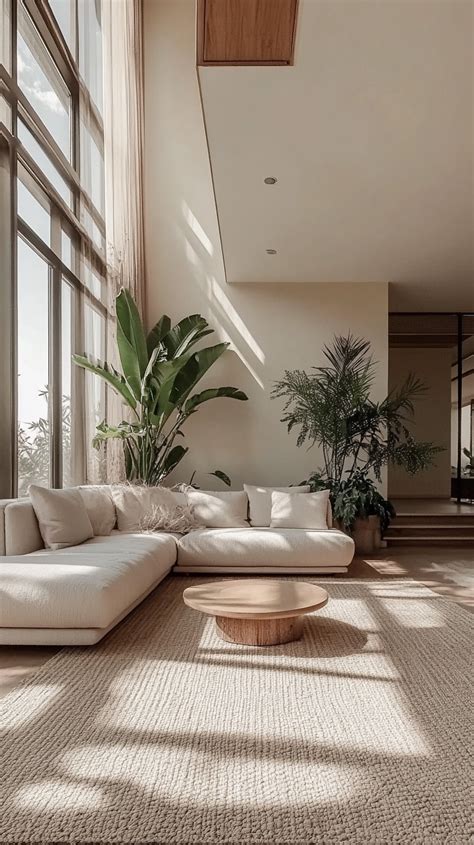
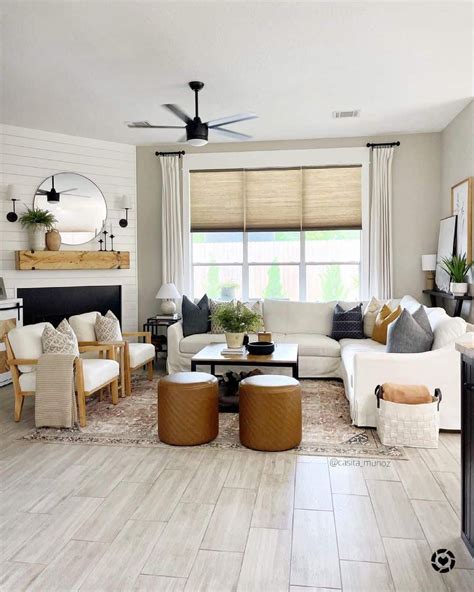
Before introducing new decor elements into your home, taking a step back to objectively evaluate your current layout is essential. Walk through each room with fresh eyes, noting which areas feel cluttered, underutilized, or visually heavy. Pay attention to natural light patterns throughout the day, as these dictate how colors and furniture placements interact. By identifying specific functional pain points—such as a dark reading corner or an entryway that constantly collects clutter—you can establish a targeted action plan rather than randomly buying decorative accessories.
Creating a prioritized checklist helps prevent impulse purchases and ensures that every change serves a clear purpose in your overall home design. Focus first on high-traffic common areas like the living room or primary bedroom where you spend the most time and invite guests. Establish what you want each space to achieve, whether it is maximizing storage capacity, improving ambient lighting, or creating a more relaxing atmosphere. This diagnostic phase forms the bedrock of any successful home refresh, ensuring your subsequent decorating choices remain practical and sustainable over the long term.
Leveraging Quick Visual Upgrades Through Lighting and Textiles
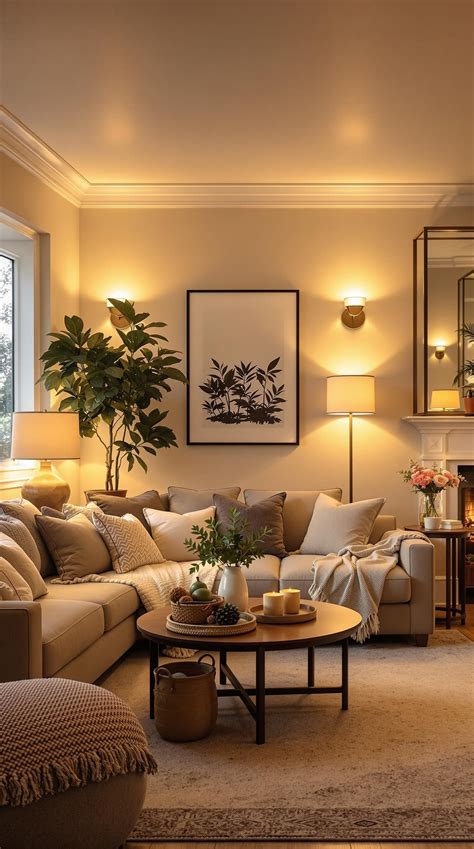
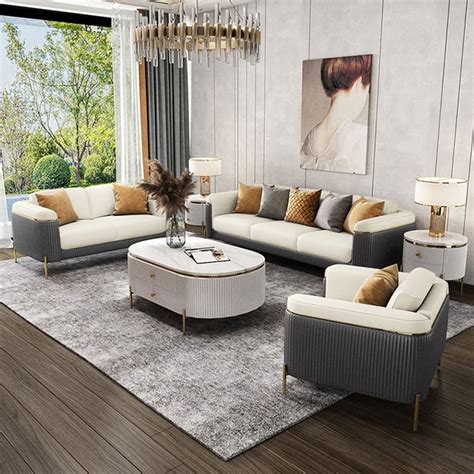
One of the fastest ways to elevate a room’s aesthetic is by manipulating lighting layers and incorporating rich textile elements. Overhead lighting often creates a harsh, clinical environment, whereas introducing warm table lamps, floor lamps, and directional accent lighting instantly softens a space. Transitioning to warmer bulb temperatures creates an inviting ambiance that makes rooms feel larger, cozier, and more cohesive. Layering these light sources at different heights draws the eye upward and highlights architectural details you might otherwise overlook in standard daylight.
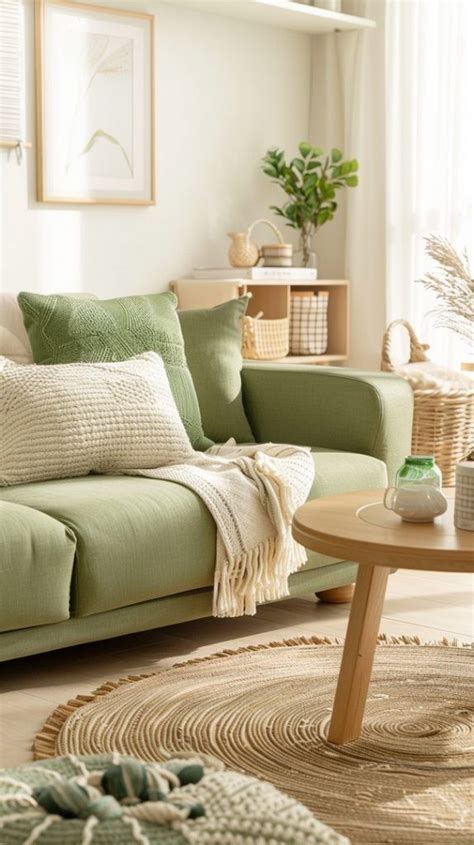
In addition to lighting, textiles introduce tactile warmth that counteracts the hardness of walls, floors, and wooden furniture. Swapping out lightweight throw pillow covers, adding a textured woven area rug, or hanging heavier drapery panels can completely shift the visual temperature of a room. These soft furnishings allow you to experiment with seasonal color palettes or subtle pattern mixing without making permanent commitments. Focusing on natural fibers like linen, cotton, wool, and jute adds organic depth that elevates ordinary rooms into sophisticated living spaces.
Decluttering and Applying Intentional Minimalist Styling
Physical clutter is the silent enemy of cohesive interior design, often masking the architectural potential of a room. Adopting minimalist styling techniques does not mean living in a sterile, empty environment; rather, it means giving every decorative object room to breathe. Start by clearing off flat surfaces like coffee tables, bookshelves, and kitchen counters entirely. Carefully curate which items deserve to return, grouping decorative accessories in odd numbers and varying heights to create visually pleasing vignettes that catch the eye naturally.
When editing your decor, prioritize items that hold personal meaning or contribute functional value to the space. Store away seasonal or excess items in labeled bins, rotating them out periodically to keep your home feeling fresh and uncluttered. This intentional approach to styling highlights quality over quantity, allowing statement pieces to command attention rather than getting lost amid visual noise. A streamlined space ultimately requires less maintenance and promotes a calmer, more restorative domestic environment for you and your family.
Renter-Friendly Upgrades for Temporary Living Spaces
Decorating a rented house or apartment presents unique challenges, as permanent modifications like painting walls or changing light fixtures are often restricted by lease agreements. However, renters have plenty of non-invasive options to personalize their living quarters and make them feel like home. Temporary wallpaper, peel-and-stick tile backsplashes, and command-strip gallery walls allow you to inject personality into blank surfaces without risking your security deposit. These reversible updates provide the look of a custom renovation with the flexibility required for transitional housing.
Focusing on freestanding furniture, statement lighting fixtures that plug into standard wall outlets, and large-scale area rugs can also mask unappealing rental flooring and wall colors. Window treatments are another powerful tool for renters; swapping standard landlord-provided vertical blinds for luxurious linen curtains dramatically elevates the perceived quality of a room. By investing in versatile, high-quality decor pieces that can easily move with you to your next home, you build a portable foundation of style that transcends any single property.
Frequently Asked Questions
How can I elevate my home decor without spending a lot of money?
You can elevate your decor affordably by decluttering surfaces, rearranging existing furniture for better flow, upgrading ambient lighting with warm bulbs, and swapping out small soft furnishings like cushion covers and throw blankets.
What are simple ways to make a room look more put-together?
A room instantly looks more polished when you group decorative items in odd numbers, vary heights on tabletops, anchor furniture with appropriately sized area rugs, and eliminate visible surface clutter.
What are quick styling fixes for renters?
Renters can use peel-and-stick wallpaper, plug-in wall sconces, large area rugs to cover worn flooring, and stylish curtains hung on tension rods to personalize their space without making permanent changes.
How do I choose the right accents for my home?
Choose accents that complement your existing color palette and introduce diverse textures such as wood, metal, woven fibers, and glass to create balanced visual depth.