Revitalizing a living room does not always require a complete structural overhaul or a massive furniture investment. Often, the easiest way to inject fresh character and practical utility into your primary gathering space is by thoughtfully updating your accent tables. Whether you are working with an expansive suburban open-concept layout or a cozy urban apartment, these versatile surfaces bridge the gap between aesthetic appeal and everyday convenience.
Understanding how different tables interact within a room requires looking beyond individual aesthetics to evaluate scale, traffic flow, and material harmony. When chosen carefully, coffee tables, side tables, and decorative accents anchor a seating arrangement, provide vital landing spots for lighting and beverages, and establish the overarching design tone of your home.
Mastering Scale and Spatial Proportions in Your Layout
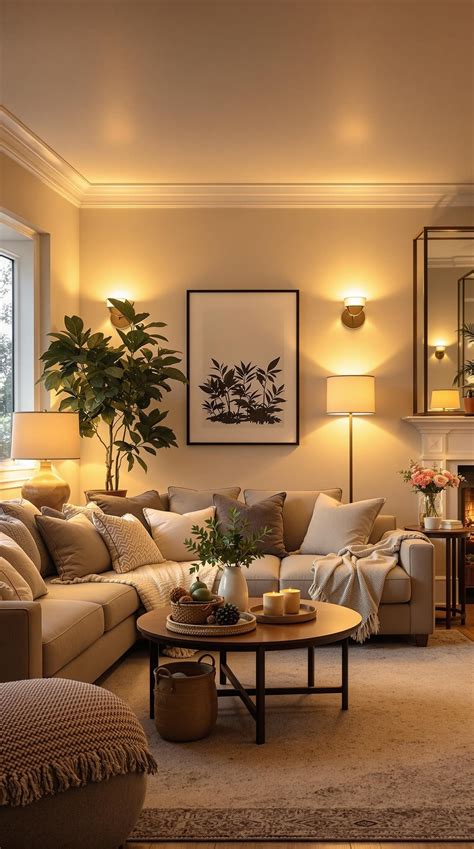
Before falling in love with a particular table design, spatial planning must take center stage. In many American homes, the living room serves multiple functions, acting as a homework station, a movie-night hub, and a formal hosting area all at once. Ensuring proper clearance around your seating is essential for maintaining a comfortable flow of movement.
As a reliable standard rule, maintain a distance of roughly 14 to 18 inches between your sofa and the primary coffee table. This leaves enough room to stretch your legs comfortably while keeping everyday items within easy reach. For side tables, the surface height should ideally match the armrest of your sofa or chair, or sit within a couple of inches to prevent an awkward reach when setting down a cup of coffee or a book.
Choosing the Right Materials for Durability and Style
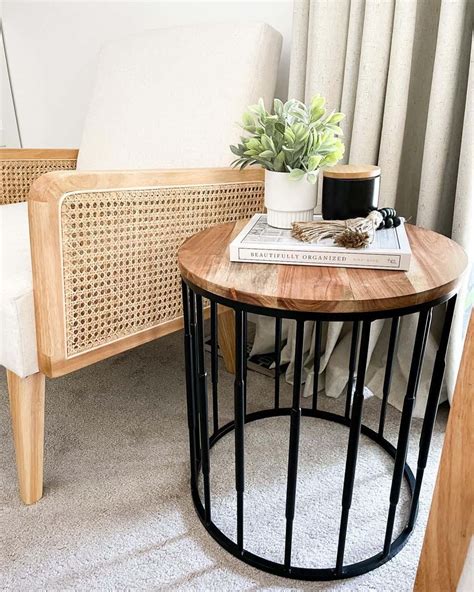
Material selection defines both the visual weight of a room and its long-term durability. Solid wood introduces warmth, organic texture, and timeless appeal, making it a staple in traditional, modern farmhouse, and transitional homes. However, households with young children or active pets might lean toward distressed finishes that easily conceal everyday wear and tear.
Metal and glass combinations offer a lighter visual footprint, which makes them particularly effective in compact apartments or rooms with limited natural light. Glass tabletops reflect light and create an illusion of openness, though they require regular maintenance to keep fingerprints at bay. Meanwhile, stone surfaces like marble or travertine bring a touch of earthy sophistication, though their weight means they are best suited for permanent layout arrangements.
Mixing and Matching Styles Rather Than Matching Sets
The era of buying matching living room furniture sets has largely given way to curated, eclectic styling that tells a more personal story. Mixing different textures and eras adds depth and prevents a room from feeling flat or overly staged. You can pair a sleek, minimalist metal side table with a rustic reclaimed-wood coffee table, provided there is a unifying element such as a shared leg finish or a complementary color palette.
When blending wood tones, avoid placing two identical wood species right next to each other if their undertones clash. Instead, combine a deep walnut finish with a lighter oak or a painted accent piece to create visual contrast. The secret to a cohesive mixed look lies in balance; if your coffee table makes a heavy statement, let your side tables remain simple and understated.
Styling Your Accent Tables Like a Professional Designer
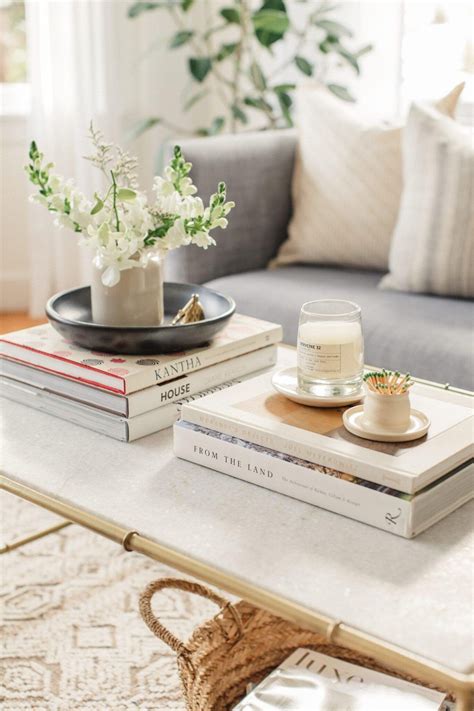
Once your tables are in place, the styling phase brings the entire room together. Avoid cluttering every square inch of surface space; negative space is just as important as the items you choose to display. A successful tabletop arrangement typically relies on varying heights and contrasting shapes, such as pairing a round ceramic vase with a stack of hardcover books and a rectangular tray.
Functionality should always guide your styling choices. On a coffee table, a low decorative bowl can corral TV remotes, while a side table benefits from a sturdy table lamp that provides warm ambient lighting. Seasonal adjustments, such as swapping out decorative objects or adding a small potted plant, allow you to refresh your living room aesthetic throughout the year without purchasing new furniture.
Frequently Asked Questions
How do I choose the right size accent table for my living room?
Start by measuring your seating dimensions. A coffee table should generally be about two-thirds the length of your sofa and sit at or slightly below the seat cushion height. Side tables should match the height of your sofa’s armrest for maximum comfort and accessibility.
What is the difference between a coffee table, a side table, and an accent table?
A coffee table is positioned centrally in front of seating for general use, while a side table sits beside a chair or sofa end to hold lamps or drinks. An accent table is a broader category that includes unique decorative pieces, pedestal tables, or drum tables chosen primarily to add visual interest or fill an awkward corner.
How can I mix different wood tones and metals in your living room?
Anchor your space by choosing one dominant finish and one or two complementary accents. Ensure the warm or cool undertones of your wood pieces harmonize, and repeat metal finishes across different elements in the room, such as light fixtures, curtain rods, and table legs, to maintain visual continuity.
What are the best accent table styles for small U.S. apartments versus large homes?
Small apartments benefit from glass-top tables, nesting tables, or open-frame metal designs that preserve sightlines and maximize floor space. Large homes can accommodate substantial pieces like heavy stone coffee tables, chunky wooden drums, or layered multi-tier accent tables that anchor expansive seating areas.


