Transforming an ordinary backyard or patio into an upscale retreat has become a popular design pursuit across the United States. Rather than relying solely on permanent architectural additions, many homeowners and renters are turning to high-end canvas and luxury tents to create versatile living spaces. These structures bridge the gap between rugged outdoor exploration and boutique hospitality, offering a cozy sanctuary right outside your back door.
Whether you want to host visiting family members in style, create a dedicated meditation lounge, or simply enjoy a weekend staycation under the stars, selecting the right luxury tent requires careful consideration of materials, spatial layout, and local environmental factors. By blending thoughtful interior styling with sturdy engineering, you can achieve an atmosphere that feels just as refined as an interior guest suite.
Defining Luxury and Comfort in Modern Tent Design
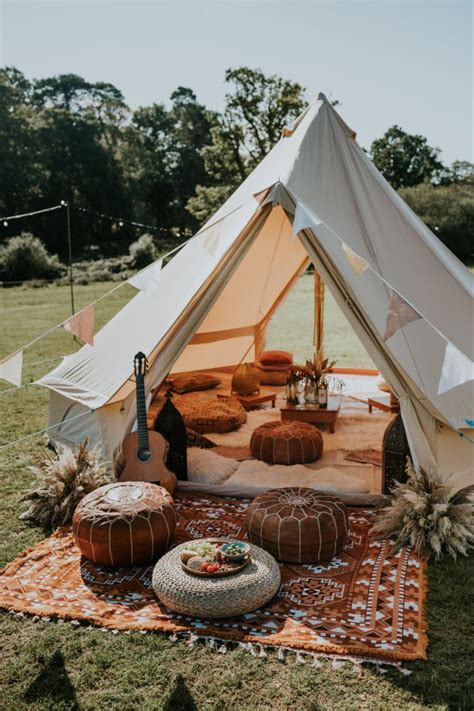
True luxury in modern tent architecture goes far beyond basic shelter. It encompasses breathable natural fabrics, generous ceiling heights that allow you to stand upright, and architectural features like reinforced doorways and panoramic mesh windows. Canvas bell tents and structured yurt-style designs dominate the high-end market because they offer both aesthetic warmth and structural integrity, creating a canvas backdrop that feels organic yet sophisticated.
Comfort is further amplified by clever thermal regulation and lighting integration. Premium residential tents often feature stove jacks for cooler autumn nights, heavy-duty waterproof groundsheets to keep moisture at bay, and multi-layered fabric walls that insulate against summer heat. When these elements work together, the interior environment remains calm, quiet, and temperature-controlled regardless of changing weather outside.
Tailoring Your Choice: Homeowners Versus Renters
Homeowners have the freedom to anchor semi-permanent structures using heavy-duty stakes, wooden platforms, or permanent tie-downs. This allows for long-term seasonal setups, where a luxury tent might remain pitched from late spring through early autumn, functioning as an auxiliary dining room, creative studio, or permanent guest house.
Renters face different constraints, primarily the need for non-destructive installation and easy portability. If you are renting a home with a spacious yard or a large private deck, look for freestanding tension systems, weighted base anchors that require no drilling, and modular components that can be quickly dismantled. This ensures you can take your investment with you when your lease ends, while still enjoying a magnificent outdoor living area during your tenancy.
Essential Features for U.S. Climates and Conditions
The geography of the United States spans diverse climate zones, meaning a tent that excels in the humid summers of the Southeast might need different adaptations than one built for the arid deserts of the Southwest or the damp winters of the Pacific Northwest. Prioritize high-grade, mold-resistant cotton canvas treated with UV-resistant coatings to prevent fabric degradation under intense sunlight.
Wind resistance is another critical safety and comfort factor. Look for spring-loaded steel poles, heavy-gauge guy lines, and reinforced tension points that can withstand sudden gusts during summer storms. A steep roof pitch is also essential in regions prone to heavy rainfall, allowing water to shed quickly rather than pooling on top of the fabric.
Styling and Furnishing Your Outdoor Sanctuary
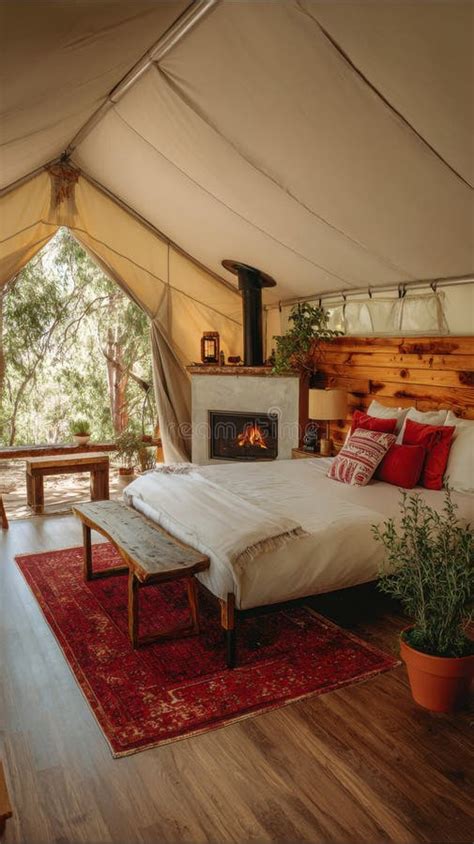
The true magic of a luxury tent emerges when you begin the interior design process. Treat the canvas floor as you would a hardwood room inside your house by layering natural fiber rugs like jute or wool over a protective waterproof tarp to add texture and warmth.
Incorporate plush seating, such as floor cushions, low-profile lounge chairs, or a real mattress raised on a wooden bed frame. Lighting plays a pivotal role in establishing mood; opt for warm-toned LED fairy lights, battery-operated lanterns, and perhaps a stylish chandelier if you have a secure ceiling hanging point. Finish the space with soft textiles, linen throw blankets, and potted plants that blur the boundary between indoor luxury and natural surroundings.
Navigating Regulations and Maintenance
Before establishing a semi-permanent luxury tent on your property, it is wise to review local zoning codes and homeowner association (HOA) guidelines. Some municipalities regulate outdoor structures based on square footage or the duration they remain pitched, while HOAs may have strict aesthetic covenants regarding backyard visibility.
Maintenance is equally important to protect your investment. Never pack or store a canvas tent while it is damp, as mildew can permanently stain and weaken the fabric. Regularly brush off accumulated debris, inspect zippers and screen mesh for wear, and reapply waterproofing treatments seasonally to ensure your luxury retreat remains pristine for years to come.
Frequently Asked Questions
What makes a tent truly luxurious and comfortable?
A luxury tent combines high-end, breathable materials like heavy-duty cotton canvas with generous headspace, robust weatherproofing, and thoughtful interior design. Features like stove jacks, multi-layered mesh windows, and durable waterproof floors elevate the experience from basic camping to upscale hospitality.
Can renters use luxury tents without damaging property?
Yes, renters can successfully set up luxury tents by choosing freestanding models or anchoring systems that do not require drilling into decks or permanent ground staking. Weighted bases and tension-based frames provide stability while keeping the setup entirely portable and non-destructive.
What are the best types of tents for backyard setups in different U.S. climates?
For humid or rainy climates, tightly woven, mold-resistant cotton canvas bell tents with steep roof pitches work best to shed water effectively. In arid or windy regions, sturdy frame tents with reinforced steel poles and UV-resistant treatments offer superior stability and sun protection.
How do you furnish and accessorize a tent for maximum comfort?
Treat the interior like a traditional living space by layering natural fiber rugs on the floor, using a real mattress or raised daybed with soft linens, and adding ambient lighting such as battery-operated lanterns and string lights. Potted plants and textured throw pillows complete the cozy atmosphere.
Are luxury tents durable enough to withstand U.S. weather conditions?
High-end residential tents are engineered to endure seasonal elements, provided they are properly maintained. Quality canvas resists UV rays and heavy winds when properly staked, but owners should monitor local weather warnings and take down temporary setups during severe winter storms or hurricanes.


