When planning a getaway into nature, transitioning from the structured comforts of a permanent residence to an outdoor setting requires careful thought about daily living arrangements. For many households across the United States, traditional single-room dome tents often feel cramped, leaving little room to store gear or maintain personal privacy after a long day of hiking. This is where investing in generous, multi-room architecture changes the entire dynamic of an outdoor excursion. By incorporating dedicated sleeping quarters alongside communal interior zones, modern multi-room shelters replicate the familiar functional zones of a house under canvas, ensuring everyone enjoys a restful night.
Choosing the right shelter involves weighing structural stability, interior layout flexibility, and ease of transport against your specific outdoor recreational goals. Whether you frequently visit national parks across the American West or reserve seasonal campsites along the Eastern Seaboard, having a reliable structure that stands firm against sudden weather shifts is essential. The following sections explore how these spacious dwellings maximize living space, protect against the elements, and streamline campsite logistics for families seeking both adventure and relaxation.
The Value of Multi-Room Architecture for Family Camping
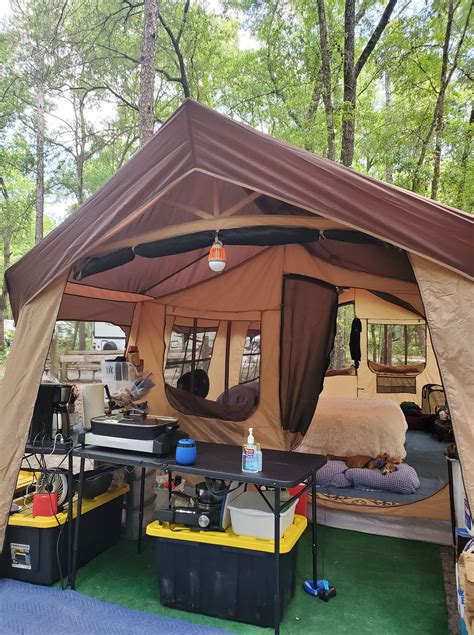
Standard family tents often force everyone into a single communal floor plan, which can quickly become chaotic when packing gear, changing clothes, or managing different sleep schedules. A dedicated three-room layout introduces physical dividers or zippered curtains that establish distinct zones for parents, children, and shared gear storage. This separation mimics the privacy and organization homeowners appreciate in everyday life, helping to reduce stress and maintain a sense of order during extended trips in the great outdoors.
Beyond personal privacy, these expansive shelters offer significant versatility for unpredictable weather days. When a passing summer thunderstorm forces everyone inside, a central living area provides a comfortable space for playing games, organizing backpacks, or dining together without crowding sleeping bags. This added square footage prevents cabin fever and keeps muddy boots and wet gear contained away from clean sleeping quarters, preserving a clean and inviting environment throughout your stay.
Optimizing Layouts and Managing Gear Space
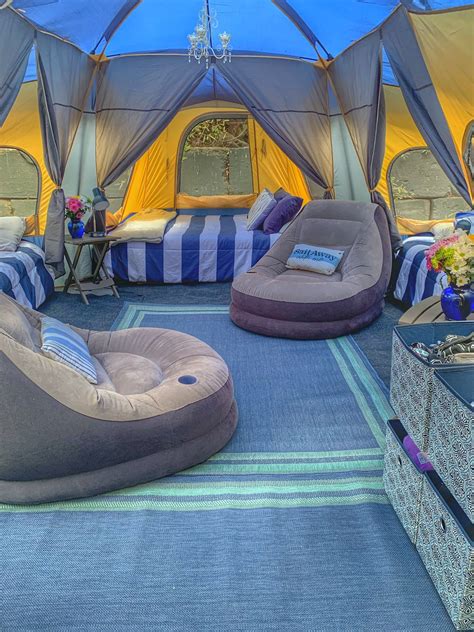
Effective space management inside a large tent relies on selecting a floor plan that matches your household’s sleeping habits. Many designs feature a central common room flanked by two private sleeping cabins, creating a symmetrical layout that works exceptionally well for parents traveling with children or teenagers. Other models offer asymmetrical configurations with a larger master sleeping area and an attached screen porch, which serves as a wonderful transitional zone for lounging without unwanted insects.
When organizing your interior, utilize vertical space by hanging gear organizers from designated loops and keeping bulky items like coolers and luggage in the communal vestibule. Keeping the sleeping chambers clear of excess gear ensures that air circulates freely and prevents the floor from feeling cluttered. Thoughtful placement of camp cots or inflatable mattresses against the walls also maximizes usable floor area, making movement around the tent safe and effortless during nighttime trips.
Evaluating Weather Resistance and Structural Integrity in Large Tents
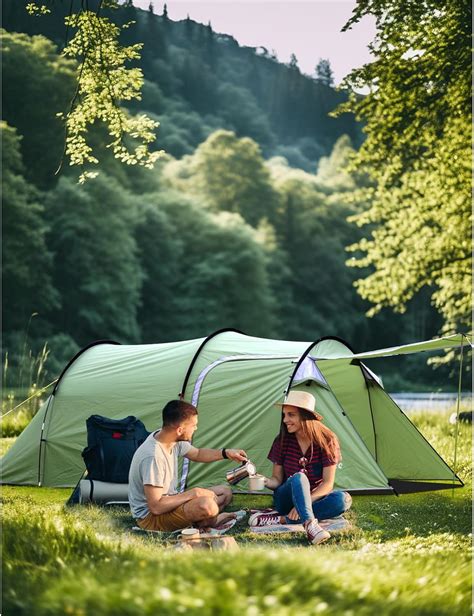
Because multi-room tents have a larger surface area and higher profiles than standard backpacking shelters, evaluating their ability to withstand wind and rain is critical. Look for models constructed with sturdy steel or thick fiberglass poles, as well as robust guy-line attachment points that anchor the structure firmly into the ground. A well-engineered frame prevents the tent from flexing excessively or collapsing during heavy gusts, which is a common concern in exposed coastal or mountain campsites across the U.S.
Waterproofing is another vital factor that dictates overall comfort and safety during wet weather. Review the hydrostatic head rating of the fabric and ensure the tent features factory-sealed seams along with a full-coverage rainfly that extends past the doors and windows. A bathtub-style floor constructed from heavy-duty polyethylene keeps ground moisture from seeping upward, ensuring your bedding and personal belongings remain completely dry even during prolonged downpours.
Ventilation Strategies to Prevent Condensation
One of the most frequent challenges in large, multi-person shelters is managing internal humidity and condensation. With multiple people breathing inside a closed space overnight, moisture can accumulate on the interior walls if adequate airflow is not maintained. High-end multi-room designs address this by incorporating mesh ceiling panels, adjustable ground-level vents, and hooded windows that allow fresh air to circulate continuously even when the rainfly is fully zipped.
Encouraging cross-ventilation during warm afternoons and cool mornings helps regulate internal temperatures, creating a more comfortable indoor climate. Position the tent orientation relative to prevailing local breezes to maximize airflow through the mesh doors. By balancing weather protection with smart ventilation features, you can enjoy a fresh, dry living environment regardless of whether you are camping in humid southern forests or dry western deserts.
Frequently Asked Questions
Why choose a 3-bedroom tent over a standard family tent?
A 3-bedroom tent offers dedicated privacy walls and separate sleeping zones, mimicking the layout of a home. This setup prevents clutter, reduces friction during different sleep schedules, and provides a central communal area for meals or relaxing during inclement weather.
How difficult is it to set up a large multi-room tent?
While larger tents require more time and coordination than compact dome models, modern color-coded pole systems and pre-attached hubs make the process straightforward. It is generally recommended to have at least two adults work together for a smooth and efficient pitch.
What weather conditions can these large tents withstand?
Quality multi-room tents are engineered to handle moderate to heavy rain and steady winds when properly guyed out and staked. However, due to their higher profiles, they are generally not recommended for extreme alpine storms or severe hurricane-force weather.
How do I choose the right size and layout for my family?
Assess your household size, ages of family members, and the amount of gear you typically bring. If teenagers require privacy or you prefer separate sleeping quarters from younger children, a 3-room layout with flanking bedrooms and a central living space is ideal.


