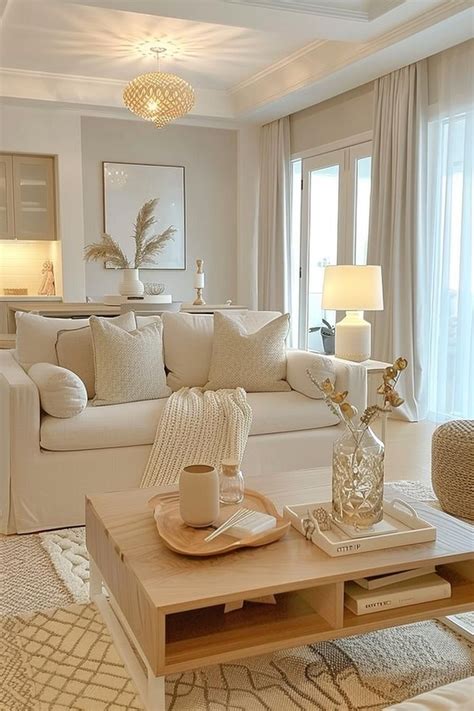
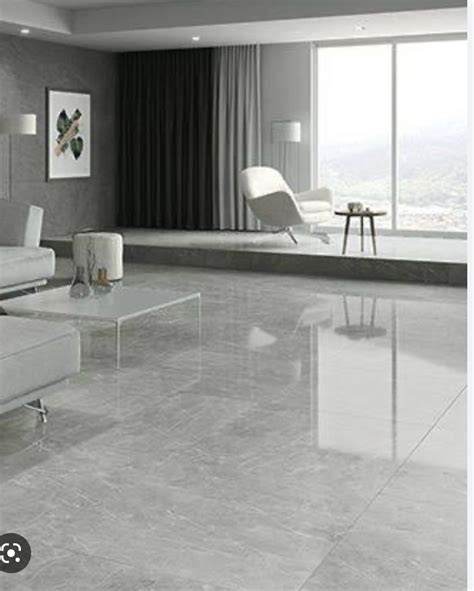
Creating a sophisticated living environment does not require an unlimited budget or exclusive designer access. Across the United States, homeowners and renters frequently discover that major retailers like Walmart offer surprisingly versatile decor foundations. The secret to achieving an upscale aesthetic with big-box retail items lies not in the price tag, but in how the pieces are selected, layered, and styled within your existing floor plan. Professional interior designers routinely mix high and low elements, utilizing accessible baseline pieces to anchor a room while letting thoughtful styling carry the visual weight.
When approaching mass-market decor, the primary challenge is overcoming the uniform, mass-produced look that many budget items share. By applying intentional design principles—such as contrasting textures, unified color palettes, and thoughtful negative space—you can easily strip away the generic feel of retail packaging. Whether you are outfitting a newly purchased suburban home or refreshing a compact urban rental, understanding how to curate and elevate affordable pieces will completely transform your living space without straining your finances.
Mastering Textile Layers: Pillows, Throws, and Area Rugs
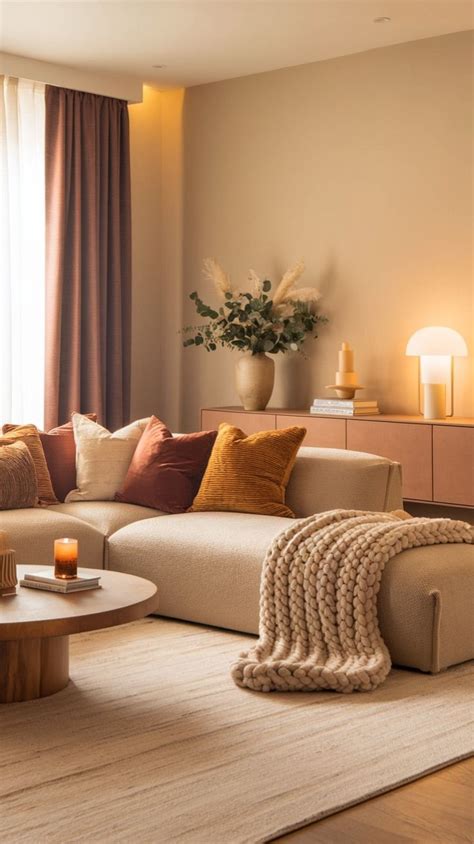
Textiles represent the most forgiving and impactful category for budget decorating. Soft furnishings introduce warmth, acoustic softening, and visual depth to plain architectural backgrounds. When shopping for textiles at mass-market retailers, look past bright, trendy patterns that might quickly look dated and focus instead on tactile solids, subtle wovens, and natural-feeling fibers like cotton, linen blends, and chunky wool-look synthetics.
To make affordable pillows and throws look bespoke, abandon the pre-matched sets often merchandised on retail shelves. Instead, mix varying scales of pattern with solid textured pieces, ensuring you incorporate at least three distinct fabric weights in any seating arrangement. Furthermore, consider upgrading standard retail throw pillow inserts by purchasing down-alternative inserts one size larger than your pillow covers; this simple trick eliminates the flat, slouchy appearance common in budget decor and creates a plush, high-end chop.
Elevating Ambiance Through Strategic Lighting Upgrades
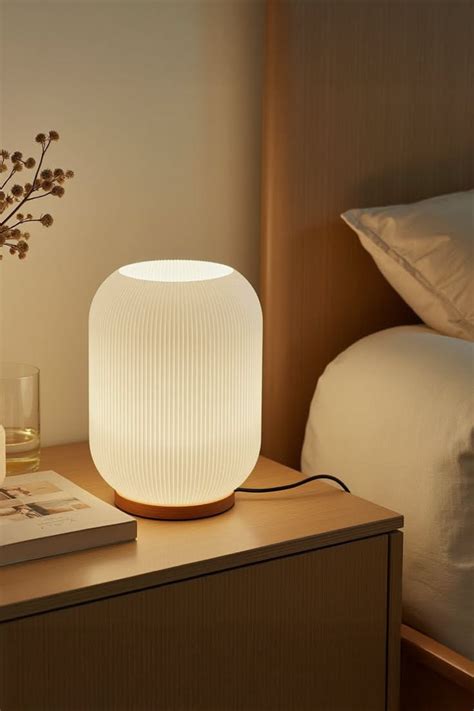
Overhead builder-grade lighting can instantly flatten a room, casting harsh shadows that make even expensive furniture look uninviting. Transforming the atmosphere of a room relies heavily on introducing secondary and tertiary lighting layers at eye level and below. Mass-market retailers offer surprisingly sculptural table lamps, ceramic bases, and sleek metal floor lamps that serve as architectural statements even when switched off.
Beyond selecting the right lamp fixtures, pay close attention to the color temperature of your lightbulbs. Replacing cool, clinical white bulbs with warm 2700K LEDs instantly shifts the perceived value of your interior space, giving inexpensive materials a rich, golden glow. You can also bypass awkward wiring limitations in rental properties by utilizing rechargeable puck lights inside decorative wall sconces or glass pendant fixtures, achieving a custom hardwired look with zero electrical work.
Curating Wall Art and Framing for a Custom Gallery Look
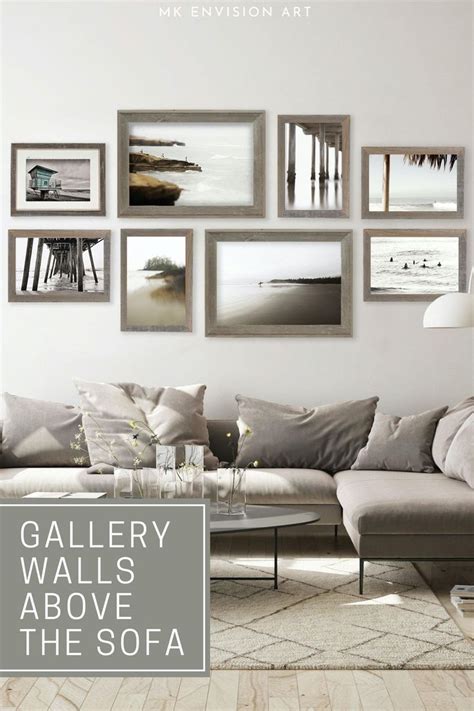
Blank walls present a major opportunity to establish character, yet standard framed prints from big-box stores can sometimes feel impersonal. The trick to using accessible wall decor is customization and scale. Instead of hanging small, isolated frames that get lost on large walls, group pieces together in a purposeful gallery formation or opt for oversized single abstract prints that command attention.
Consider purchasing budget-friendly prints or even framing vintage botanical pages, fabric swatches, or public-domain art prints on heavy cardstock. Pairing these accessible images with oversized mats and clean-lined frames elevates the final presentation dramatically. Hanging art at correct eye-level heights—roughly 57 to 60 inches from the center of the piece to the floor—further ensures your budget wall displays feel professionally installed rather than hastily assembled.
Using Organization as Sophisticated Decor
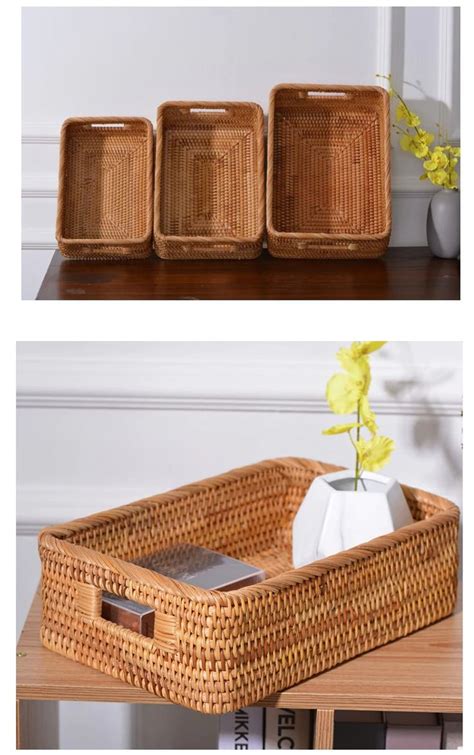
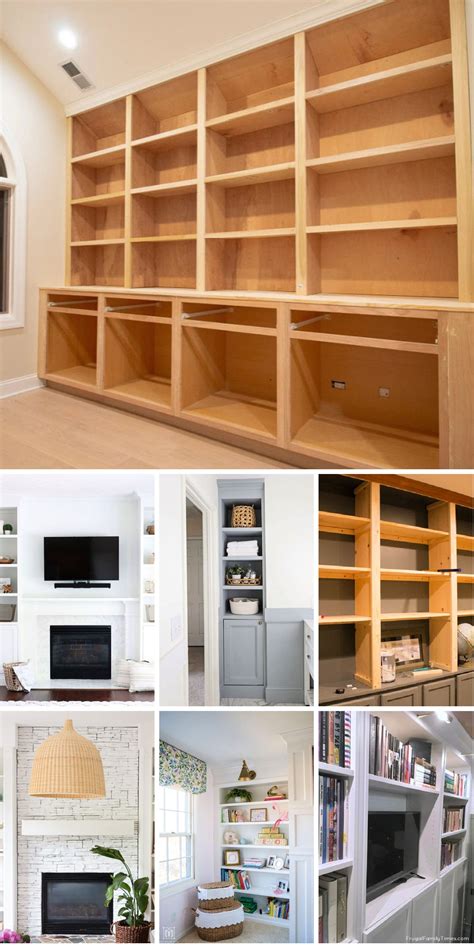
Clutter is the fastest way to undermine a well-designed room, making storage an essential component of interior styling. Woven seagrass baskets, ceramic catch-all trays, and clean acrylic or wooden organizers found in mass-market retail aisles provide both practical utility and tactile beauty. Treating storage containers as decorative objects allows you to keep everyday items hidden while adding organic texture to shelving units, coffee tables, and entryways.
When styling storage baskets and bins, variety is key to avoiding a sterile, catalog-like appearance. Mix closed woven containers that conceal living room chaos with open display trays that hold curated vignettes of books, candles, and small sculptures. Grouping items in odd numbers—such as a trio of objects varying in height—draws the eye smoothly across the surface and creates a balanced, harmonious vignette.
Frequently Asked Questions
What are the best home decor items to buy at mass-market retailers?
Textiles like throw blankets, solid-color pillow covers, woven storage baskets, ceramic vases, and basic picture frames offer the highest return on investment. These items rely on texture and form rather than complex mechanical parts, making it easy to achieve an upscale look on a budget.
How can I make cheap home decor look more expensive?
You can instantly elevate budget decor by upgrading pillow inserts to fuller down-alternative versions, swapping out harsh cool lightbulbs for warm 2700K lighting, utilizing oversized mats for art framing, and styling items in intentional odd-numbered groupings.
Are big-box store decor items durable enough for everyday family use?
Many everyday items, particularly washable cotton throws, synthetic area rugs, and canvas storage bins, handle daily household wear remarkably well. For high-traffic areas, prioritize easy-care synthetic fabrics that can be spot-cleaned or machine-washed easily.
How do I keep a budget-decorated home looking cohesive?
Stick to a restrained, cohesive color palette consisting of two or three neutral base tones paired with one accent hue carried consistently throughout adjoining rooms. Repeating textures like wood, woven fibers, and matte metals across different spaces also unites the overall interior design.