When planning a family camping trip or setting up an immersive backyard retreat, comfort and personal space quickly become top priorities. Traditional single-chamber domes often lead to cramped quarters, tangled gear, and early morning wake-up calls when everyone shares the exact same floor footprint. Upgrading to a multi-room shelter completely shifts the dynamic, offering separate zones for sleeping, changing, or storing equipment out of sight. Whether you are heading to a national park campground or testing out your gear on the lawn, choosing the right structure makes all the difference.
Navigating the wide array of options on the US market requires looking past flashy marketing terms and focusing on structural integrity, weather ratings, and interior layout functionality. A well-designed multi-room model provides distinct living areas while maintaining stability against unpredictable weather patterns. By understanding what separates basic models from high-performance cabin designs, you can invest in a setup that serves your household for years of outdoor adventures.
The Appeal of Multi-Room Tents for Modern Campers
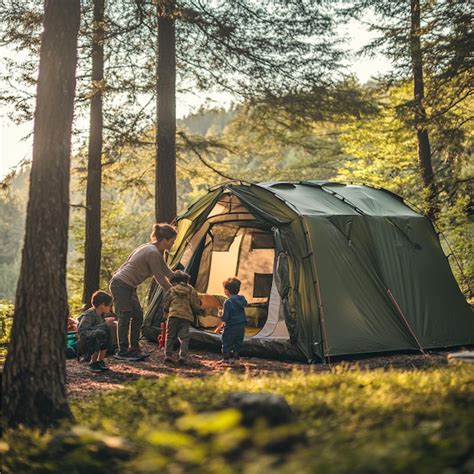
The primary advantage of a two-room tent lies in its ability to mimic the compartmentalized comfort of a traditional home while remaining fully portable. Families with children, groups of friends, or couples who simply appreciate having a designated changing area find these layouts exceptionally practical. Instead of tripping over air mattresses, backpacks, and cooler bags inside a single dome, campers can keep gear organized in one room and sleeping quarters clean in the other.
Privacy dividers also play a major role in improving sleep quality during group trips. Early risers can exit the front room to make morning coffee without disturbing those resting in the rear chamber. Additionally, these spacious layouts often feature high ceilings that allow adults to stand upright fully, eliminating the uncomfortable crouch-and-crawl routine typical of smaller backpacking tents. This extra headroom transforms the interior from a mere sleeping box into a comfortable living space.
Key Features to Evaluate Before You Buy
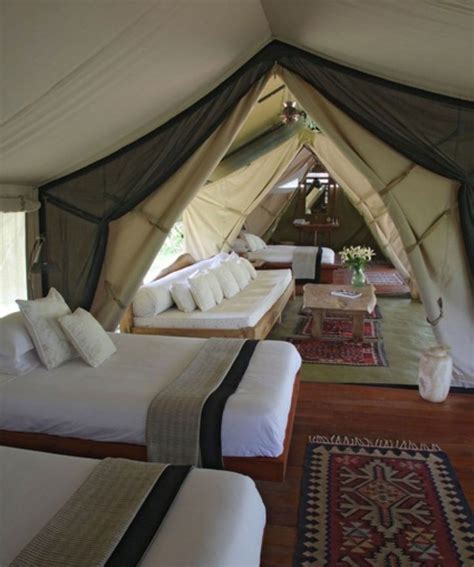
Before purchasing a multi-room shelter, examining specific engineering details ensures your investment withstands real-world conditions. Weather resistance stands at the forefront of these considerations. Look for models featuring taped seams, robust rainflies that extend near the ground, and waterproof floor coatings. North American climates vary dramatically, from humid southern summer thunderstorms to brisk mountain winds, making a reliable weather shield essential for a dry, comfortable stay.
Setup complexity is another critical factor to weigh against your camping experience level. Cabin-style tents with vertical walls offer incredible interior volume, but their steel or fiberglass pole frameworks often require two people and a bit of patience to assemble. Conversely, instant-up variants utilize pre-attached hub systems that pop into place in minutes. Weighing the trade-off between absolute structural rigidity in high winds and the convenience of a fast setup helps you select a model that matches your typical camping style.
Top 2-Room Tent Designs for American Households
When reviewing top contenders in the US marketplace, certain configurations consistently stand out for their build quality, spatial efficiency, and user satisfaction. The market features options ranging from classic weekend car-camping cabins to rugged weather-resistant structures built for extended seasonal trips. Evaluating these distinct categories helps clarify which design philosophy aligns best with your household’s outdoor recreational habits.
Spacious Cabin Tents for Maximum Headroom

Cabin-style multi-room models remain the gold standard for car campers who prioritize luxury and space above all else. These structures utilize near-vertical walls that maximize usable floor area, ensuring that cots, tables, and gear organizers fit snugly against the edges without wasting vertical clearance. Removable room dividers allow you to customize the interior layout on the fly, creating a massive single hall for daytime gatherings or two private sleeping quarters at night.
While these models offer unmatched comfort, their larger surface area catches more wind, making proper guylining and staking non-negotiable. They are best suited for established drive-in campgrounds or spacious suburban backyards rather than rugged, exposed backcountry ridges. Campers willing to invest a little extra time during setup are rewarded with a comfortable, room-like environment that feels welcoming after a long day of hiking or exploring.
Instant-Up Tents for Quick Weekend Escapes
For campers who value speed and simplicity, instant-up two-room tents provide a compelling alternative to traditional pole-and-sleeve designs. Pre-threaded telescoping poles attached directly to the fabric body allow a single person to lift and lock the entire structure into place within minutes. This design dramatically reduces the frustration often associated with arriving at a campsite late in the evening or dealing with restless children while trying to pitch camp.
The primary trade-off with instant mechanisms involves packed size and overall weight. The integrated hub systems and thicker joints make these shelters bulkier to transport in a car trunk, requiring adequate cargo space. However, for weekend warriors and casual backyard campers, the time saved during assembly and teardown easily outweighs the larger storage footprint.
Practical Tips for Enhancing Your Multi-Room Camp-Out
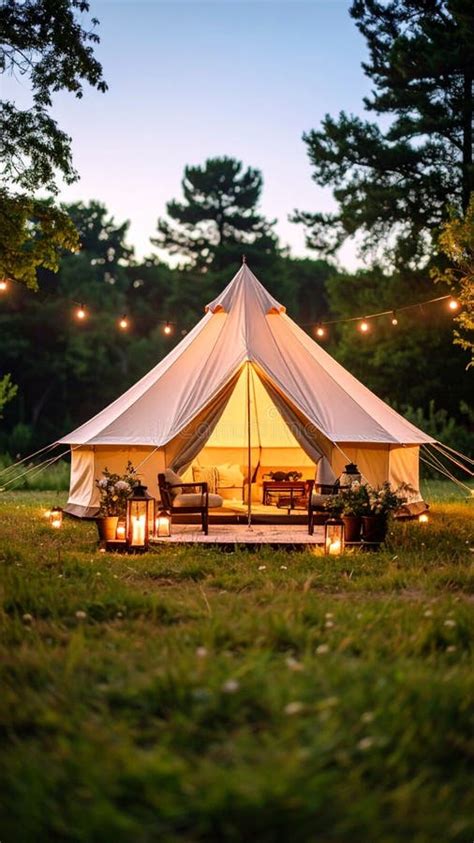
Maximizing the potential of a two-room shelter extends beyond the initial purchase and pitching process. Interior organization is key to maintaining a relaxing atmosphere throughout your trip. Utilizing hanging organizers, collapsible bins, and designated shoe mats outside the entrance keeps dirt and clutter from migrating between rooms. Simple additions like battery-operated string lights or lanterns hung from interior loops create a cozy, inviting ambiance after dark.
Ventilation management also prevents condensation buildup, a common challenge in multi-room designs where airflow can become trapped behind privacy partitions. Keeping mesh windows unzipped when weather permits and utilizing built-in ground vents ensures continuous air circulation. By pairing your shelter with a durable footprint or tarp underneath, you protect the tent floor from sharp debris and extend the lifespan of your gear for many seasons of outdoor enjoyment.
Frequently Asked Questions
Are 2-room tents difficult to set up by yourself?
It depends largely on the design. Traditional cabin-style multi-room tents usually require two adults for efficient pitching due to their size and pole length. However, instant-up models feature pre-attached frames that allow a single person to raise the entire structure in just a few minutes.
Can multi-room tents withstand heavy rain and wind?
Yes, many high-quality models are engineered to handle adverse weather, provided they are properly staked and guyed out. Look for tents with full-coverage rainflies, factory-sealed seams, and robust steel or fiberglass poles to ensure stability during storms.
How do I clean and store a large multi-room tent after a trip?
Always ensure the tent is completely dry before packing it away to prevent mold and mildew growth. Shake out any dirt or debris, wipe down the floor with mild soap and water if necessary, and store it in a cool, dry place out of direct sunlight.
Are privacy dividers removable in most 2-room tents?
Most modern multi-room tents feature toggle-in or zippered privacy curtains that can be rolled back or completely removed. This flexibility allows you to convert the interior from a segmented layout into one large open space whenever desired.