Creating a luxurious living room in a standard U.S. apartment often comes with distinct challenges. Between strict lease agreements, compact square footage, and generic builder-grade finishes, achieving an upscale look can feel daunting. However, luxury in interior design is rarely about how much money you spend; it is fundamentally about proportion, texture, lighting discipline, and thoughtful editing. When you shift your focus from buying expensive items to curating intentional design elements, even a modest rental can exude sophisticated elegance.
Standard American apartment living rooms frequently feature neutral, mass-produced carpet, plain walls, and glaring overhead flush-mount light fixtures. By replacing these harsh elements with layered lighting, rich tactile finishes, and clever visual tricks, you can completely redefine the atmosphere. Whether you own your home or rent for the foreseeable future, these ten strategic ideas will help you bridge the gap between budget constraints and high-end aesthetic appeal.
1. Banishing the Overhead Glare with Layered Lighting
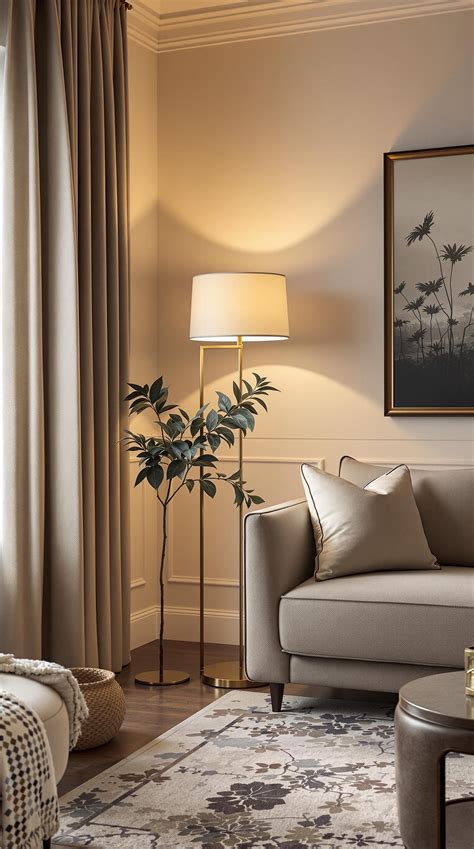
One of the fastest ways a living room betrays a budget aesthetic is through the exclusive use of harsh overhead ceiling lights. Standard apartment fixtures often emit a cold, flat illumination that highlights every imperfection in the room. To instantly cultivate a warm, expensive ambiance, turn off the overhead light entirely and build a multi-tiered lighting scheme using floor lamps, table lamps, and picture lights placed at different heights.

When selecting bulbs, pay close attention to color temperature. Opt for warm white bulbs ranging from 2400K to 2700K to mimic the soft glow of natural twilight and incandescent firesides. Furthermore, incorporating smart plugs or dimmers allows you to adjust the brightness dynamically throughout the evening. This subtle adjustment tricks the eye into perceiving the space as much more expansive, cozy, and high-end.
2. Redefining Scale with Oversized Statement Art
A common mistake in budget apartment design is scattering numerous small frames across the living room walls, which inadvertently creates visual clutter. Instead, embrace the psychological impact of scale by anchoring your primary seating area with a single, oversized piece of art or a large photography print. A large-scale visual element immediately draws the eye upward and outward, making compact walls feel more monumental and deliberate.
If purchasing custom large-scale art exceeds your current budget, consider framing an inexpensive engineering print or stretching a raw canvas painted in a moody, minimalist monochrome wash. When hanging the artwork, ensure the center of the piece aligns roughly with eye level—approximately 57 to 60 inches from the floor. This gallery-standard placement style anchors the furniture below it and instantly elevates the room’s overall sophistication.
3. Maximizing Illusion with Strategic Mirror Placement
Mirrors are a designer’s secret weapon for multiplying natural light and doubling perceived square footage. In typical U.S. apartments where windows may be limited to a single wall, hanging a large floor-length mirror opposite or adjacent to the primary window bounces daylight deep into the interior. This simple physics-based trick brightens dark corners and eliminates the gloomy shadows common in rental units.
Choose mirrors with substantial frames—such as aged brass, dark wood, or minimalist matte black—to serve as architectural focal points rather than functional afterthoughts. Leaning a tall mirror against the wall instead of drilling permanent holes into drywall is also a renter-friendly solution that adds casual elegance, suggesting an effortless, curated interior design sensibility.
4. Elevating Windows with High and Wide Drapery
Standard rental window treatments often consist of flimsy vertical blinds or short curtains hung right at the window frame, which chops up the wall visually and makes ceilings feel lower than they actually are. To create the illusion of soaring architectural heights, mount your curtain rods just a few inches below the crown molding and extend them six to twelve inches past the window frame on each side.
Pair this mounting trick with long, heavy drapery panels made from linen, cotton velvet, or thick polyester blends that pool slightly on the floor or brush it gracefully. The extra fabric adds gorgeous vertical lines and introduces rich texture that absorbs sound, reducing echo in hardwood-floored apartments while injecting a tailored, custom-tailored look.
5. Mastering the Art of Rug Layering and Texture
Wall-to-wall carpeting or bare rental flooring can easily look sterile or uninspired. Introducing rugs is the most effective way to define zones within an open-concept apartment layout, but layering takes this strategy a step further. Start with a large, neutral jute or low-pile sisal rug as your base, then angle a smaller, ultra-plush vintage-style or faux-hide rug over it to add tactile dimension.
This combination creates visual warmth and gives your feet a luxurious tactile experience without requiring permanent flooring changes. Ensure your base rug is large enough so that at least the front legs of your sofa and armchairs rest upon it, which visually anchors the furniture grouping and prevents the room from feeling disjointed or cramped.
6. Swapping Out Builder-Grade Hardware
In many budget apartments, cabinet pulls, media console knobs, and light switch plates are purely functional, low-cost plastic or shiny brass elements chosen by property managers for durability. Upgrading these minor fixtures is one of the most cost-effective, high-impact changes a renter or homeowner can make. Simply unscrew the existing hardware and replace it with solid brass, matte black, or brushed nickel alternatives.
Remember to save the original hardware in a labeled baggie so you can easily reinstall it when your lease ends. This temporary swap requires only a screwdriver but completely transforms standard flat-pack media centers or rental cabinets, infusing them with custom craftsmanship and high-end character.
7. Styling Surfaces with Intentional Curated Vignettes
A luxury living room never looks cluttered or accidentally decorated. Coffee tables, side tables, and bookshelves should be styled with purposeful vignettes that balance height, texture, and negative space. Follow the rule of three by grouping objects of varying heights—such as a stack of hardback art books, a sculptural ceramic vessel, and a textured tray holding a scented candle.
Incorporate organic elements like dried pampas grass, eucalyptus, or fresh branches in a ceramic vase to bring life and movement into the space. By ruthlessly editing out random knick-knacks and focusing on a cohesive color palette for your decorative accessories, you allow each remaining object to command attention and look deliberately chosen.
8. Introducing Affordable Upholstery Tricks and Accent Pillows
Purchasing an entirely new, high-end designer sofa is rarely practical when working within a strict budget. Instead, work with the seating you already own by upgrading the supporting textile elements. If your current couch color is neutral but uninspiring, layer it with oversized feather-down pillow inserts clad in rich velvet, boucle, or woven linen covers rather than cheap poly-fill pillows that lose their shape.
For worn or dated sofas, consider purchasing a tailored, high-quality fitted slipcover in a sophisticated tone like charcoal, oatmeal, or olive green. Drape a chunky knit cashmere-blend or faux-fur throw blanket carelessly over one corner of the sofa to soften rigid lines and invite lounging, instantly elevating the tactile luxury of the entire seating area.
9. Grounding the Room with Moodier Accent Walls
While many apartments feature landlord-approved stark white walls, painting an entire room can be time-consuming and difficult to reverse before moving out. A compromise that delivers maximum visual drama is creating a single focal accent wall using peel-and-stick luxury wallpaper or a sophisticated, moody paint color like deep forest green, charcoal, or warm taupe.
Applying temporary wallpaper behind a media console or bookshelf creates the illusion of custom millwork and depth without damaging the underlying drywall. This deliberate injection of color or pattern draws the eye across the space, distracting from awkward room dimensions and instantly setting a mature, intentional tone.
10. Concealing Clutter with Smart Multipurpose Storage
Visual clutter is the ultimate enemy of a luxurious aesthetic. In smaller U.S. apartments, maintaining an organized environment can be challenging when storage closets are scarce. To keep surfaces clean and serene, invest in smart, hidden storage furniture such as upholstered storage ottomans, lidded woven baskets, or media consoles with cabinet doors.
These pieces allow you to quickly stow away laptops, charging cords, extra throw blankets, and children’s toys at the end of the day. By keeping the floor and tabletops clear of daily debris, your living room immediately adopts the serene, uncluttered calm characteristic of high-end interior design portfolios.
Frequently Asked Questions
Can I make a rental apartment living room look luxurious without painting the walls?
Yes, absolutely. You can introduce luxury into a rental without painting by focusing on textile layers such as high-and-wide drapery panels, layered area rugs, statement lighting, oversized art, and high-end decorative accessories.
What is the best way to make a small U.S. living room look bigger?
To maximize space in a compact living room, use large-scale mirrors to reflect natural light, hang curtains near the ceiling to elongate walls, choose furniture with exposed legs to maintain floor visibility, and keep surfaces free of clutter.
Are peel-and-stick wallpapers renter-friendly?
Most high-quality peel-and-stick wallpapers are designed for easy removal without stripping paint or damaging drywall, making them an excellent temporary solution for creating accent walls in rentals. Always test a small hidden area first.
How can I find affordable decor that does not look cheap?
Look for items made from natural materials such as solid wood, linen, jute, ceramic, and brass rather than plastic or shiny faux metals. Thrifting, estate sales, and focusing on simple geometric shapes also help budget items look timeless and expensive.


