Interior design directions are shifting toward spaces that feel deeply grounded, personally expressive, and highly adaptable to modern routines. Looking ahead, the focus moves away from sterile minimalism and fast-fashion furnishings, prioritizing instead a harmonious blend of tactile comfort, environmental consciousness, and intentional technology. Whether you occupy a sprawling suburban property or a compact urban apartment, incorporating these upcoming concepts does not require a complete architectural overhaul.
Understanding how these movements evolve helps you curate a space that feels both timely and timeless. By evaluating your household’s functional needs against emerging design directions, you can selectively adopt elements that genuinely improve your daily living experience. The following sections outline the defining aesthetic shifts for the upcoming year and provide actionable strategies for bringing them to life in your own home.
Emerging Color Palettes and Tactile Contrasts
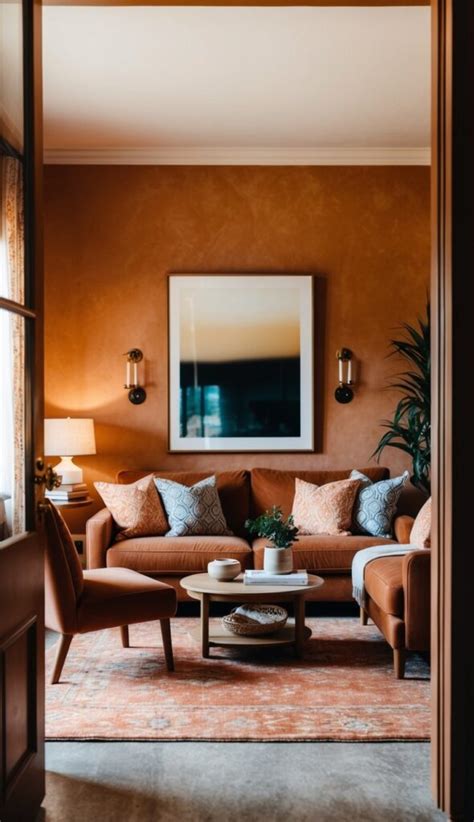
The visual landscape of modern interiors is moving toward earthy, restorative tones inspired by natural landscapes. Rather than stark white walls or overwhelming greige, upcoming palettes embrace muted terracotta, deep moss green, warm clay, and rich ochre. These shades instantly foster a sense of grounding and emotional warmth, transforming a standard suburban or urban living room into a restorative sanctuary at the end of a long workday.
Alongside these grounding hues, textural layering takes center stage to prevent monochromatic rooms from feeling flat or clinical. Combining smooth polished wood with nubby bouclé upholstery, raw travertine surfaces, and brushed metals creates depth and visual interest through touch rather than loud patterns. When planning your layout, consider how different finishes interact under varying natural lighting conditions throughout the day.
Balancing Softness and Structure in Furniture Selection
Furniture silhouettes are evolving to favor organic curves paired with sturdy, honest construction. Sharp, rigid angles are giving way to gently rounded sofas, arched shelving units, and asymmetrical coffee tables that encourage effortless movement around the room. These fluid lines not only soften the architectural boxiness typical of modern American construction but also improve traffic flow in tighter spaces.
When selecting upholstered pieces, prioritize high-performance natural textiles like heavy linen, textured cotton blends, and sustainably sourced leather that develops a rich patina over time. Pairing a curved velvet or bouclé armchair with a rigid, minimalist oak media console creates a sophisticated tension between softness and structure that anchors the entire seating arrangement.
Sustainable and Eco-Conscious Materials
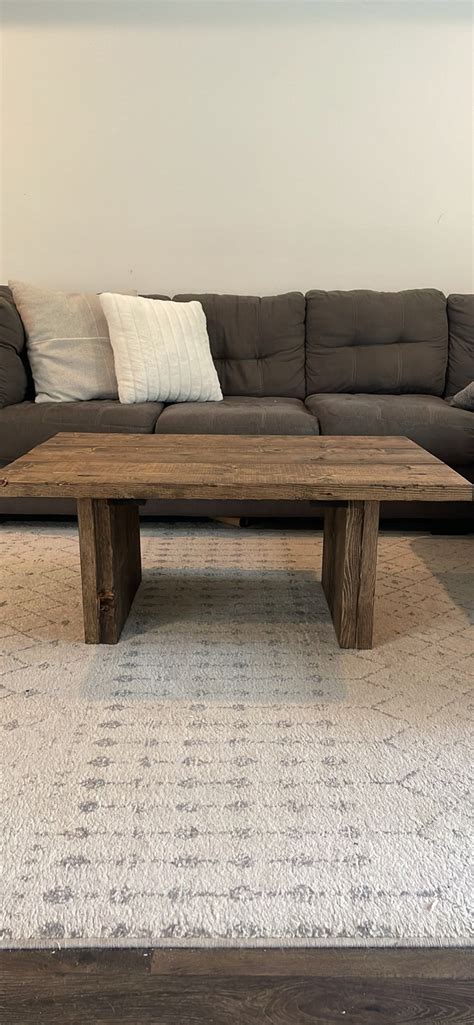
Conscious consumption continues to shape how we furnish our homes, shifting the emphasis from disposable decor to heirloom-quality craftsmanship. Homeowners and renters alike are increasingly searching for furniture made from reclaimed lumber, certified sustainable forestry woods, and recycled metals. Investing in durable, responsibly produced goods reduces environmental impact while infusing your living room with authentic character and history.
Vintage and antique sourcing also plays a vital role in contemporary styling. Integrating a mid-century modern side table or a hand-woven vintage rug adds an irreplaceable layer of individuality that mass-market retail stores simply cannot replicate. This approach encourages a slower, more thoughtful design process where each item is chosen for its longevity, emotional resonance, and structural integrity.
Multi-Functional Layouts for Modern Floor Plans
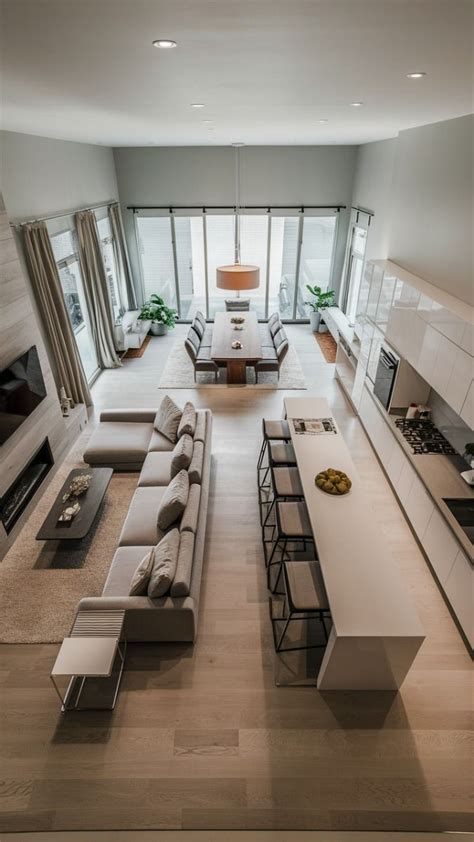
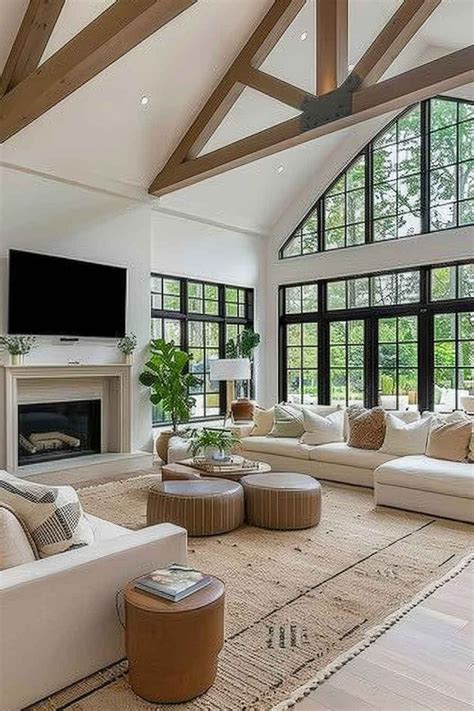
American living rooms frequently serve multiple purposes simultaneously, functioning as family gathering zones, quiet reading nooks, remote work stations, and casual entertainment areas. Designing for these overlapping needs requires flexible spatial planning. Modular sectional sofas, nesting coffee tables, and lightweight accent chairs allow you to reconfigure the room effortlessly depending on whether you are hosting a large gathering or enjoying a quiet evening.
Zoning large, open-concept living spaces without building permanent walls has become an essential interior design strategy. Utilizing large-scale area rugs, strategically placed console tables behind sofas, and directional lighting helps delineate functional boundaries. This creates a sense of order and intimacy within expansive suburban great rooms while maximizing utility in compact urban apartments.
Renter-Friendly Adaptations for Upcoming Design Movements
Adopting forward-thinking interior concepts is entirely achievable even if you rent your home and face standard lease restrictions. Temporary styling interventions allow you to participate in these aesthetic shifts without altering permanent architectural features. For instance, instead of painting walls in deep terracotta or moss green, you can introduce these rich colors through oversized canvas art, linen throw pillows, heavy drapery panels, and tactile area rugs.
Lighting and hardware upgrades offer another low-impact, high-reward strategy for renters. Swapping out standard builder-grade floor lamps for sculptural paper-lantern pendants plugged into remote-controlled wall outlets instantly elevates a room’s atmosphere. Similarly, freestanding modular shelving units provide the sculptural silhouette and display capacity of built-ins without requiring a single nail in the drywall.
Frequently Asked Questions
What are the defining living room design trends for the coming year?
The primary directions focus on earthy, restorative color palettes like terracotta and moss green, tactile contrasts through mixed materials, organic furniture silhouettes, and a strong emphasis on sustainable, durable craftsmanship.
How can renters incorporate these new design trends?
Renters can adopt these concepts easily by using non-permanent elements such as textured textiles, oversized artwork, modular lighting fixtures, and freestanding furniture pieces that do not require drilling or painting walls.
Which outdated living room trends are being phased out?
Sterile all-white minimalism, matchy-matchy furniture sets, and fast-furniture decor items lacking durability or character are rapidly losing favor in modern interior design.
How do I balance trendy aesthetics with everyday comfort?
Always prioritize ergonomics and family durability over pure visual impact. Choose performance fabrics that handle daily wear, select modular layouts that adapt to your routine, and only introduce trends that genuinely support your lifestyle.