When decorating an American home, finding the sweet spot between elevated visual appeal and everyday livability can feel like a delicate balancing act. Many homeowners and renters look for design directions that feel cohesive yet flexible enough to adapt to changing lifestyles. Exploring established design blueprints, such as Ashley’s signature decor style, offers a dependable framework that blends approachable sophistication with relaxed comfort.
By understanding the foundational elements of this aesthetic—ranging from warm neutral colorways to durable, family-friendly textiles—you can create spaces that feel both curated and deeply welcoming. Whether you are outfitting a compact urban apartment or a sprawling suburban open-concept floor plan, translating these core design principles helps establish a harmonious atmosphere throughout your living spaces.
Defining the Core Elements of Ashley’s Signature Aesthetic
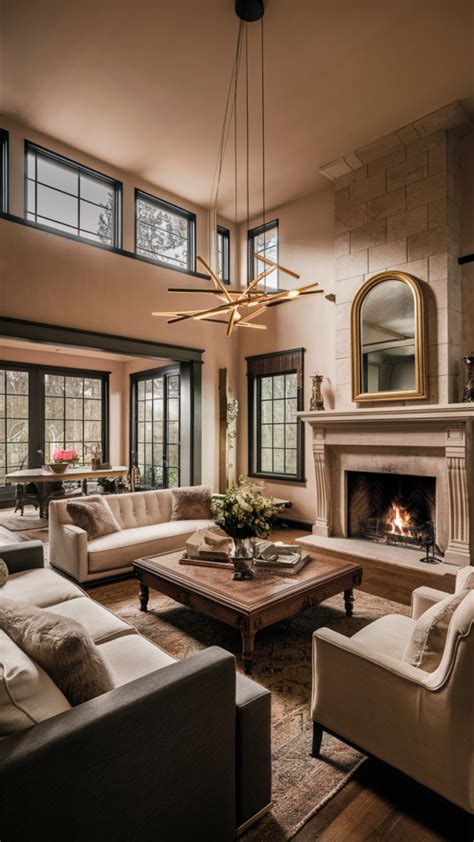
At the heart of this signature style is a commitment to approachable comfort paired with timeless craftsmanship. Rather than leaning into hyper-trendy or fleeting design movements, the aesthetic favors classic silhouettes, balanced proportions, and a welcoming ambiance. Furniture pieces are designed with daily life in mind, featuring sturdy frames, plush cushioning, and versatile finishes that easily blend into various architectural backgrounds.
Another defining pillar of this look is its adaptability. The style bridges the gap between traditional warmth and modern simplicity, making it remarkably easy to integrate whether your home features historic moldings or contemporary clean lines. By focusing on foundational anchor pieces—such as a deep-seated sectional or a substantial wood dining table—you establish a reliable baseline that accommodates seasonal accent updates without requiring a complete room overhaul.
Balancing Comfort and Visual Polish
Achieving a designer-finished look without sacrificing livability requires prioritizing tactile comfort. Sofas and armchairs often feature generous proportions and supportive cushions that invite relaxation after a long day. At the same time, tailored details like subtle tufting, clean nailhead trims, or gracefully tapered wooden legs elevate the overall silhouette so the room maintains an air of quiet sophistication.
When arranging these pieces in typical U.S. living areas, consider how traffic flows through the space. Leaving adequate clearance around central tables and ensuring that seating arrangements encourage conversation will maximize both the functional and aesthetic value of your furniture layout.
Curating Color Palettes and Layering Textures
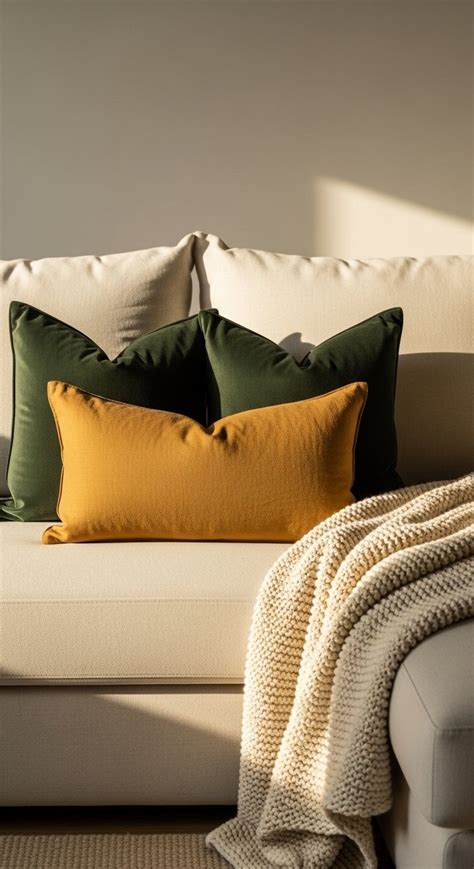
Color serves as the emotional foundation of any interior space. The signature approach relies heavily on calming, versatile neutrals—such as warm beige, soft cream, crisp linen, and grounding charcoal or espresso tones. These hues create a peaceful backdrop that allows architectural features and statement decor to shine without visual clutter.
However, a neutral foundation does not mean a sterile environment. Texture plays a critical role in adding depth and visual interest to the room. By layering woven throw blankets, textured linen pillows, distressed wood accents, and matte black or brushed nickel hardware, you introduce tactile variety that keeps monochromatic spaces feeling rich, cozy, and dynamic.
Selecting Complementary Textiles
Textiles are perhaps the most cost-effective way to inject warmth and seasonal personality into your rooms. Opt for high-performance fabrics like woven chenille, durable polyester blends, or performance cottons that withstand the realities of pets, children, and daily entertaining. Layering a flat-weave rug beneath a plush area rug can also anchor large seating groups while introducing a sophisticated contrast in texture.
Window treatments further reinforce this layered effect. Floor-length drapes in light-filtering linen or heavy cotton velvet help soften hard window frames, drawing the eye upward and making ceilings feel taller while adding a finished, professional touch to the room.
Adapting the Style Across Different American Room Layouts

Every home layout presents unique spatial challenges, from open-concept suburban great rooms to narrow urban living rooms. Applying this decor style effectively means tailoring scale and placement to fit your specific square footage. In open-concept layouts, use large area rugs and coordinated furniture groupings to carve out distinct functional zones for lounging, dining, and working.
In smaller quarters, prioritize multifunctional furniture, such as storage ottomans, extendable dining tables, or nesting coffee tables. Keeping sightlines open and choosing furniture with exposed legs helps prevent compact rooms from feeling cramped, ensuring the space remains light, airy, and functional.
Styling the Living Room and Bedroom Sanctuaries
In the living room, let a comfortable sofa or sectional anchor the space, supplemented by accent chairs that introduce a contrasting silhouette or fabric pattern. Complete the arrangement with a balanced lighting plan that combines table lamps, floor lamps, and overhead fixtures to create warm pools of light during evening hours.
For the bedroom, focus on creating a restful sanctuary centered around an upholstered or solid wood bed frame. Layer crisp white bedding with a textured quilt and accent pillows in seasonal earth tones. Flank the bed with matching nightstands and soft ambient lighting to complete a cohesive, tranquil retreat.
Blending Trends with Timeless Comfort
One of the most common pitfalls in home decorating is chasing every micro-trend, which can leave a home feeling disjointed and expensive to maintain. The enduring appeal of Ashley’s signature style lies in its timeless core, which allows homeowners to experiment with current trends safely through easily swappable accessories rather than major investments.
Introduce contemporary flair through smaller decor items like ceramic vases, modern wall art, botanical stems, or seasonal throw pillows. Meanwhile, let your larger investments—like seating, case goods, and dining sets—remain classic and neutral. This balanced philosophy ensures your home stays fresh, stylish, and adaptable for years to come.
Frequently Asked Questions
What defines Ashley’s signature decor style?
Ashley’s signature decor style is defined by a blend of approachable comfort, classic silhouettes, and versatile neutral color palettes. It prioritizes durable, everyday livability while maintaining a polished, cohesive aesthetic that bridges traditional warmth and modern simplicity.
How can I incorporate this style into a small apartment?
To incorporate this look into a compact space, choose multifunctional furniture such as storage ottomans and nesting tables, opt for pieces with exposed legs to maintain open sightlines, and rely on layered textures and neutral tones to keep the room feeling airy rather than cramped.
What color schemes are central to this design approach?
The core color scheme relies heavily on versatile neutrals like warm beige, soft cream, crisp linen, and grounding espresso or charcoal tones. These serve as a calm backdrop that can be easily accented with seasonal hues through pillows, throws, and tabletop decor.
How do I balance trendy decor with timeless furniture?
Keep your major investment pieces—such as sofas, dining tables, and bed frames—neutral and classic. Introduce current design trends through easily replaceable accessories like wall art, decorative objects, and throw blankets so you can update your space without a costly overhaul.


