Modern American homes often lean toward sleek finishes and mass-produced convenience, which can sometimes leave rooms feeling stark or impersonal. Introducing handcrafted decor elements bridges this gap, transforming standard living spaces into warm, character-filled sanctuaries. When you incorporate items bearing the subtle irregularities of human touch—such as hand-thrown pottery, woven wall hangings, or carved timber accents—you immediately shift the emotional temperature of a room. This design approach honors patience, tradition, and individuality, offering a refreshing antidote to fast-decor trends that cycle through styles every few months.
Achieving a cozy, handcrafted aesthetic does not require overhauling your entire interior or replacing functional, modern furniture. Instead, it relies on thoughtful curation and strategic layering of tactile materials. By understanding how to balance raw, artisanal textures with cleaner architectural lines, both homeowners and renters can create environments that feel deeply personal, inviting, and enduringly stylish throughout every season of the year.
The Emotional and Aesthetic Value of Handmade Goods
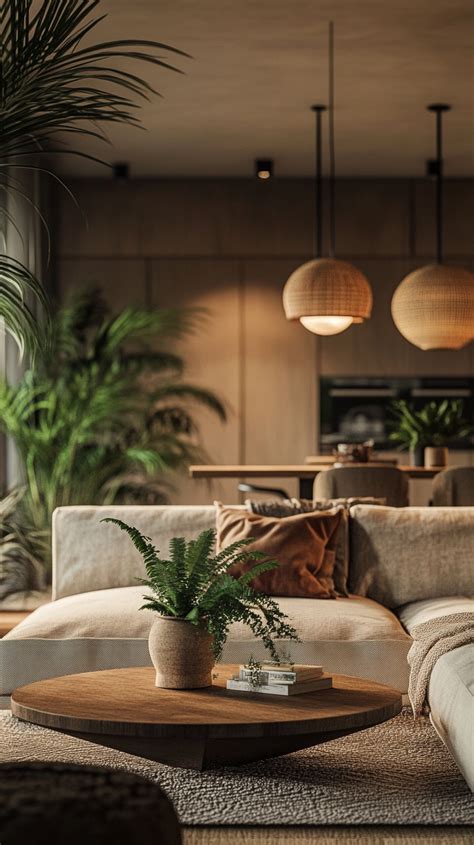
Mass-produced decor items are engineered for uniformity, ensuring every edge is straight and every finish is identical. Handcrafted pieces, by contrast, celebrate the artisan’s hand through minor variations, tool marks, and unique grain patterns. These imperfections are not flaws; they are the very features that inject soul and narrative into your living environment. Walking into a room anchored by a hand-knotted rug or a locally turned wooden bowl immediately grounds the space, offering a visual and psychological anchor that standard retail items simply cannot replicate.
Furthermore, investing in artisanal goods promotes a more mindful and sustainable approach to domestic styling. Choosing durable materials like solid hardwoods, natural clay, wool, and unbleached linen reduces reliance on synthetic plastics and short-lived decorative trends. Over time, these quality pieces acquire a rich patina, aging gracefully alongside your family’s daily life. This longevity transforms decorating from a seasonal chore into a meaningful act of building a generational home narrative.
Layering Artisanal Textiles for Year-Round Coziness
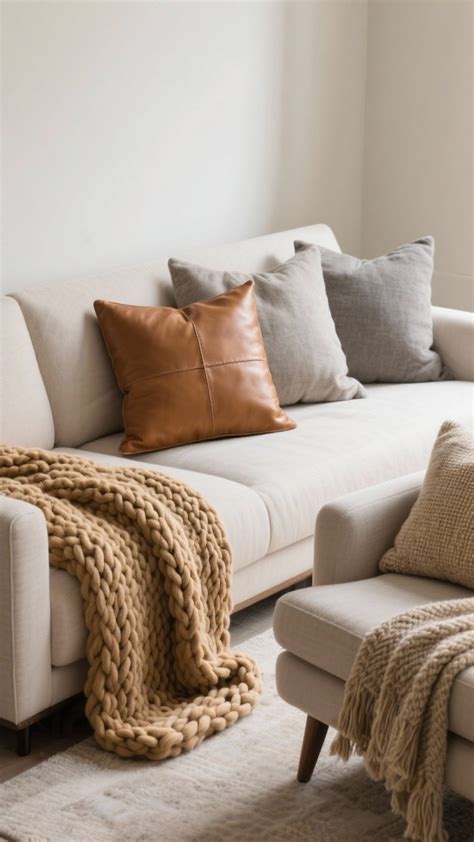
Textiles represent the most accessible gateway to introducing handcrafted warmth into any room. During chilly autumn and winter months, heavy wool blankets, chunky knit throws, and heavy linen drapes provide physical insulation and visual softness. In warmer spring and summer seasons, you can transition these layers by swapping heavy wools for lightweight, hand-woven cotton coverlets, gauze table runners, and block-printed pillow shams that maintain a relaxed, organic feel without trapping heat.
When styling these textiles, focus on contrasting weights and weave densities to create depth. Pair a smooth leather sofa with a heavily textured, hand-woven wool throw, or layer a vintage flat-weave kilim rug over a neutral jute base. This technique prevents monochromatic color schemes from feeling flat and invites tactile interaction, making your living room or bedroom inherently more welcoming for household members and guests alike.
Balancing Minimalist Architecture with Tactile Craftsmanship
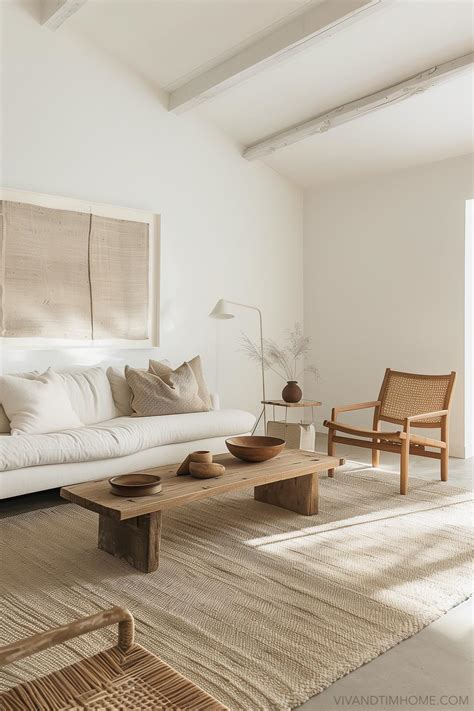
One common concern when adopting artisanal decor is the fear of visual clutter or creating a space that feels overly rustic and chaotic. The secret to a successful blend lies in restraint and negative space. If your home features contemporary, minimalist architecture—such as clean drywall, large windows, and sleek flooring—handcrafted items stand out brilliantly as statement pieces rather than overwhelming the field of vision.
Instead of scattering numerous small knick-knacks across every surface, curate dedicated focal points. Display a single, oversized handmade ceramic vessel on a minimalist console table, or hang one striking, large-scale woven wall tapestry above a streamlined sofa. By allowing each artisanal piece sufficient breathing room, you highlight its unique craftsmanship while maintaining a serene, uncluttered atmosphere that honors modern living standards.
Curating and Styling Your Spaces Room by Room
Applying handcrafted elegance throughout your home begins with identifying the high-touch zones where comfort matters most. In the living room, focus on coffee table styling by combining a stack of art books with a hand-carving wooden tray holding handmade ceramic mugs. In the bedroom, prioritize organic bedding, handcrafted ceramic bedside lamps, and a woven floor basket to corral extra quilts, keeping utility and beauty seamlessly intertwined.
Renters can particularly benefit from these portable, non-permanent design choices. Because handcrafted items rely on loose arrangement rather than permanent installation—such as peel-and-stick wallpaper or wall mounting—you can easily take your favorite artisanal pieces with you when moving to a new property. This flexibility ensures your personal definition of home remains constant and comforting, no matter where your journey takes you.
Frequently Asked Questions
How can I make my home feel cozier using handcrafted items?
You can instantly boost coziness by introducing tactile materials like wool, unbleached cotton, raw wood, and ceramics. Layer these items strategically—such as placing a hand-knit throw on an armchair or displaying handmade pottery on open shelves—to add visual warmth and inviting texture to your rooms.
Where can I find authentic artisanal decor?
Authentic pieces can be discovered at local craft fairs, farmers’ markets, independent studio pottery shops, and online platforms dedicated to independent makers and global artisans. Supporting local guilds and small-batch creators ensures your decor carries a genuine, traceable story.
How do I mix handmade pieces with mass-produced furniture?
The key is contrast and curation. Let your mass-produced, neutral furniture serve as a clean backdrop, then use handmade items as focal points. For example, place a rustic, hand-carved wooden stool next to a sleek modern sofa to create a balanced, dynamic interior scheme.
Is handcrafted decor suitable for renters?
Yes, absolutely. Most artisanal items—such as textiles, tabletop ceramics, baskets, and freestanding wooden accents—are portable and do not require permanent installation. They allow renters to personalize their living spaces fully without risking their security deposits.


