When autumn and winter arrive across the United States, or whenever you simply crave an extra layer of tactile warmth, transforming your living space becomes a rewarding weekend project. Few design elements deliver instant plushness quite like a high-quality faux fur rug. Whether you live in a high-rise city apartment or a sprawling suburban house, these cruelty-free textiles introduce sophisticated texture without compromising ethical values. By balancing aesthetic appeal with practical considerations like pile density and placement, you can create a sanctuary of comfort that feels both decadent and entirely livable.
Selecting the right synthetic textile involves looking beyond the initial visual appeal to understand how different pile lengths, fiber blends, and backing materials perform in real-world settings. Modern manufacturing techniques have advanced significantly, producing synthetic fibers that mimic the rich sheen and buttery softness of genuine pelts while remaining entirely animal-friendly. Navigating this design choice successfully means matching the rug’s physical characteristics to the rhythm of your daily routine, ensuring your investment remains beautiful and supportive for years to come.
Understanding Faux Fur Textures and Fiber Choices
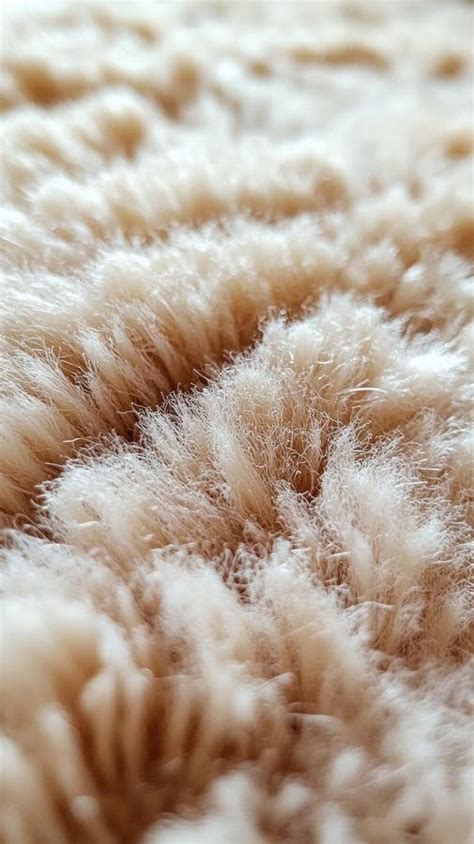
The tactile experience of a synthetic pelt depends heavily on the underlying fiber composition, which typically includes acrylic, polyester, or modacrylic blends. Acrylic fibers tend to offer a silkier sheen and excellent color retention, making them ideal for vibrant or deeply saturated tones that anchor a bohemian or eclectic room. Polyester blends, on the other hand, frequently provide exceptional resilience and a bouncy feel underfoot, which suits modern spaces where everyday comfort takes precedence over formal display.
Pile length also dictates both the visual weight and functional suitability of the piece. Long-pile shaggy variants create an immediate focal point with a cloud-like appearance, perfect for draping over an armchair or anchoring a low-traffic reading nook. Short-pile or sheared faux shearling options provide a tighter, more uniform texture that handles light foot traffic with greater grace, resisting the heavy matting that can plague longer fibers over time. Evaluating how much foot traffic a specific room receives will guide you toward the ideal balance between cloud-like softness and structural longevity.
Strategic Placement: Where to Use Faux Fur Rugs in Your Home
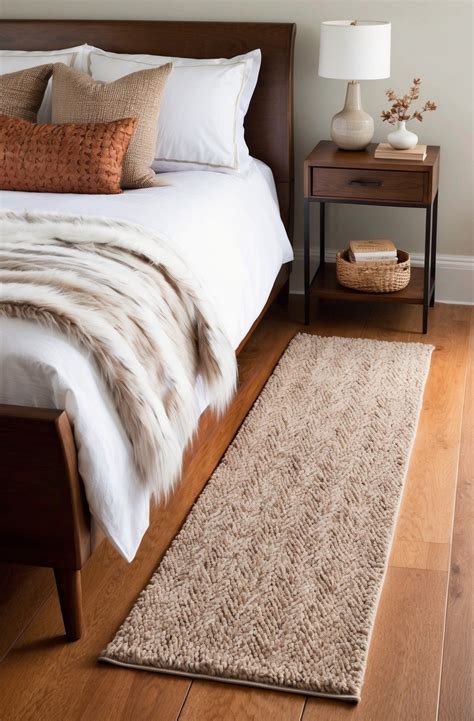
Determining the best location for a plush textile requires analyzing room traffic patterns and spatial proportions. In primary bedrooms, placing a long, narrow pelt directly beside the bed ensures your bare feet land on a warm, inviting surface every single morning. Alternatively, layering a smaller hide over a neutral jute or wool area rug in the living room introduces high-contrast texture and defines a conversation area without overwhelming the existing floor plan.
For open-concept U.S. floor plans, smaller accent rugs help delineate distinct zones within a larger space. A faux sheepskin tucked neatly beneath a desk chair transforms a sterile home office into an inviting workspace, while placing another near a fireplace hearth builds an intentional, cozy atmosphere. Because synthetic pelts are lightweight and versatile, renters appreciate their mobility, allowing them to shift comfort from the bedroom to the living room as seasonal styling needs evolve.
Styling Across Design Aesthetics: Modern, Boho, and Rustic

Integrating a plush synthetic rug into your existing decor depends largely on how you balance its dramatic texture with surrounding elements. In a sleek, modern minimalist room featuring clean lines and neutral furniture, a rich grey or ivory faux fur rug softens angular architecture. The contrast between cold metallic or smooth leather surfaces and the rich pile of the rug creates a sophisticated, layered interior that feels collected rather than stark.
For bohemian and eclectic spaces, embrace a more relaxed approach by layering textures without strict symmetry. Combine a patterned kilim rug with an off-center faux fur throw, adding woven baskets, rattan furniture, and leafy green houseplants to complete the organic narrative. In rustic or cabin-style interiors, traditional brown or frosted faux wolf pelts enhance a lodge-inspired aesthetic, working harmoniously alongside exposed wood beams, plaid wool blankets, and warm ambient lighting.
Practical Maintenance and Cleaning Realities
Maintaining the luxurious appearance of a synthetic rug requires a consistent, gentle care routine rather than aggressive washing. Regular shaking outdoors removes trapped dust and loose debris before it settles deep into the fiber base. When vacuuming is necessary, always disengage the rotating brush roll or beater bar, as the high-speed agitation can pull synthetic fibers loose and permanently disrupt the smooth surface sheen.
Spills and everyday mishaps should be addressed immediately by blotting with a clean, damp cloth and mild dish soap rather than harsh chemical solvents. Never submerge large faux fur rugs in water or put them through a standard heated washing machine cycle, as excessive heat will melt the synthetic backing and ruin the pile structure. For deeper refreshes, professional dry cleaning or careful hand-washing in cool water with specialized gentle detergents will preserve the softness and prevent unwanted matting.
Frequently Asked Questions
How do I clean and maintain a faux fur rug?
To keep your faux fur rug looking pristine, shake it out outdoors regularly to dislodge loose debris. Vacuum gently using a suction-only attachment without a beater bar. For spot cleaning, blot spills immediately with a mild soap and water solution, and always let the rug air-dry away from direct heat sources.
Are faux fur rugs durable enough for high-traffic areas?
While long-pile shaggy rugs are best suited for low-traffic zones like bedrooms or reading corners, shorter-pile faux shearling rugs handle moderate foot traffic well. To maximize durability in busier areas, choose high-density polyester blends and consider placing them over a sturdy rug pad to prevent slipping and crushing.
How can I style a faux fur rug without making a room look cluttered?
Avoid visual clutter by balancing the heavy texture of a faux fur rug against clean-lined furniture and neutral walls. Instead of using multiple furry accents in a single room, let one well-placed rug serve as the primary statement piece, pairing it with smoother materials like wood, leather, or linen.
What size faux fur rug is best for a living room versus a bedroom?
In a bedroom, smaller accent hides work wonderfully when placed beside the bed or draped across a bench. In a living room, use smaller faux fur rugs as layering pieces over larger flat-weave rugs, or choose a medium-sized pelt to define a specific seating arrangement rather than trying to cover the entire floor.


