Designing a comfortable and functional living room requires a thoughtful balance between aesthetic appeal and daily utility. Across American households, living spaces serve multiple functions, acting as quiet retreats, energetic play areas, and hosting hubs for family gatherings. Selecting the right furnishings means looking beyond momentary design fads to focus on construction quality, textile durability, and layout flexibility.
Understanding which furniture categories consistently rank as top choices helps streamline your shopping process. Whether you are outfitting a compact urban apartment in Chicago or a spacious suburban home in Dallas, prioritizing core items like versatile seating, sturdy accent tables, and smart media storage creates a cohesive foundation that adapts easily to your lifestyle changes.
Modular and Multi-Functional Sectionals for Modern Layouts
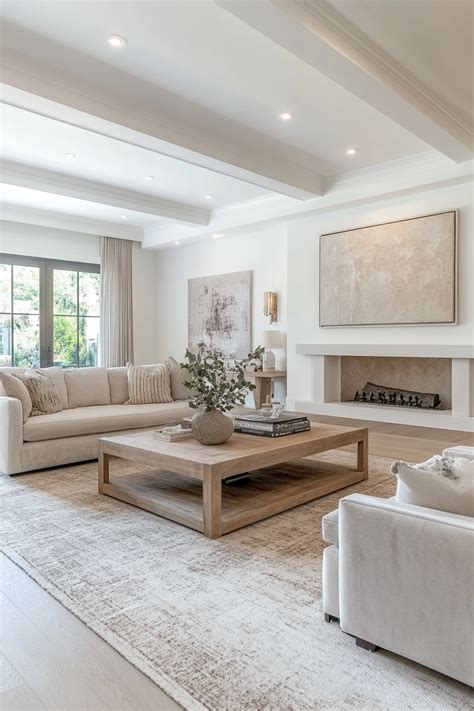
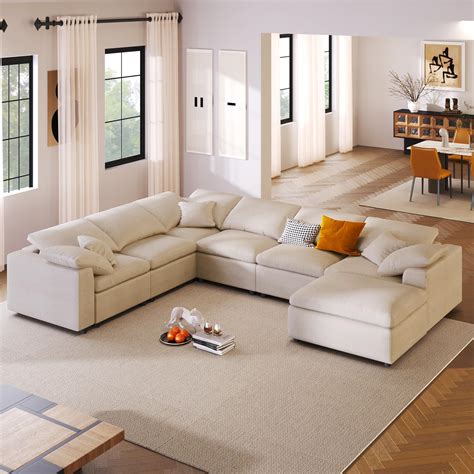
The anchor of any welcoming living area is undoubtedly the seating arrangement. Modular sectionals have surged in popularity across the United States because they offer unmatched layout versatility. Homeowners and renters appreciate the ability to reconfigure chaise lounges and corner modules to fit awkward architectural quirks, open-concept floor plans, or shifting seasonal hosting needs.
When shopping for a high-traffic family sofa, upholstery selection dictates long-term satisfaction. Performance fabrics treated for stain resistance, tightly woven chenilles, and heavy-duty textured linens perform exceptionally well in households with children or pets. While leather offers classic durability and easy wipe-down maintenance, fabric options provide softer tactile comfort and a broader spectrum of neutral colorways that anchor contemporary room designs.
Statement Accent Chairs and Flexible Seating
Beyond the primary sofa, incorporating one or two accent chairs introduces personality, visual contrast, and extra seating capacity without overwhelming the square footage. Popular silhouettes range from sculptural swivel chairs upholstered in bouclé to classic leather club chairs that add warmth and traditional character to transitional spaces.
Choosing an accent chair involves considering its scale relative to your main sofa. In smaller living rooms, armless designs or chairs with exposed wooden legs maintain visual airflow and prevent the room from feeling cramped. For larger living areas, oversized reading chairs create cozy reading nooks that invite relaxation while filling empty corners effectively.
Durable Coffee Tables and Functional Surface Areas
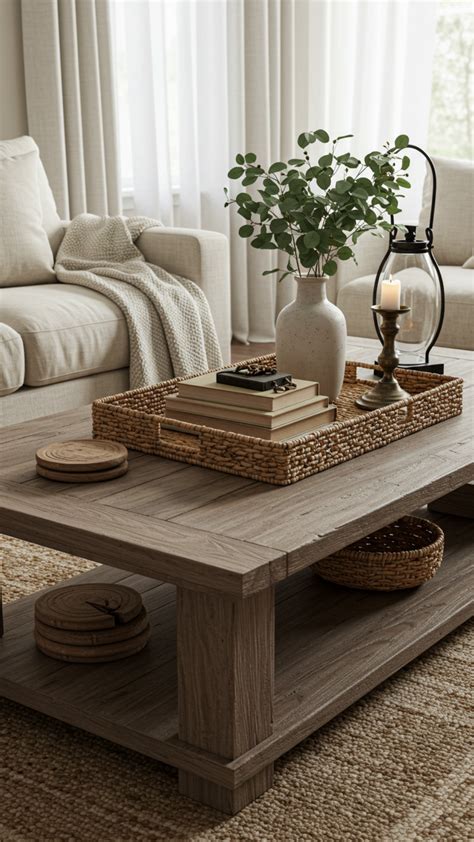
The coffee table serves as both a central styling surface and a functional drop-zone for daily essentials. Top-selling models emphasize durability and material integrity, with solid hardwoods, tempered glass, and sintered stone gaining preference over fragile veneers. Organic shapes, such as oval and kidney-bean silhouettes, soften linear room layouts and improve foot traffic flow in compact spaces.
For households that require extra hidden organization, lift-top coffee tables or styles featuring built-in lower shelves provide practical storage for remote controls, board games, and throw blankets. Evaluating the height of your coffee table relative to your sofa cushions ensures comfortable reach and prevents the living room from feeling unbalanced during everyday use.
Media Consoles and Integrated Entertainment Centers
As home entertainment evolves, media consoles have transformed into substantial architectural furniture pieces that anchor the living room wall. Modern top-sellers favor closed storage cabinets, louvered doors that allow remote control signals to pass through, and integrated wire management channels to keep tangled cords out of sight.
Selecting the correct console length depends on your television size and the overall wall proportion. A general interior design guideline suggests choosing a media unit that extends at least a few inches wider on each side than the television mounted above it. Pairing these consoles with floating wall shelves creates balanced vertical storage that draws the eye upward, making standard ceilings feel higher.
Frequently Asked Questions
What are the most popular living room furniture trends in the United States?
Current trends lean heavily toward modular comfort, curved furniture silhouettes, and high-performance textiles. Homeowners prioritize furniture that offers multi-functional utility, such as storage ottomans, extendable coffee tables, and sectionals that can be rearranged to suit different occasions.
How do I choose furniture that fits both small apartments and large suburban homes?
The key to scaling furniture correctly is measuring your room dimensions and mapping out walking paths before purchasing. In small apartments, opt for leggy furniture that lets light pass underneath. In larger suburban homes, anchor the space with substantial pieces like oversized sectionals or statement credenzas to prevent the room from feeling cavernous.
What materials offer the best durability for households with pets and kids?
Look for performance fabrics labeled as stain-resistant and moisture-repellent, such as solution-dyed acrylics or tightly woven synthetic blends. For furniture frames and tables, kiln-dried hardwoods, powder-coated metals, and tempered glass offer superior longevity and withstand daily wear much better than particleboard or soft veneers.


