Entering an American home often begins in a modest foyer, an open-concept hallway, or directly into the main living room. In these transitional zones, clutter accumulates with surprising speed. Keys, mail, dog leashes, sunglasses, and seasonal accessories quickly transform a stylish drop-zone into a chaotic pile. This is where well-designed console tables with ample storage step in to save the day, bridging the gap between high-end interior aesthetics and rigorous daily organization.
Choosing the right piece requires looking beyond surface-level beauty. While a striking silhouette or a rich wood finish catches the eye, the internal mechanics and structural layout determine how well the furniture serves a household. Evaluating drawer depth, shelf spacing, and overall stability ensures that your investment not only elevates the room’s visual weight but also withstands the demands of busy family routines.
Why Storage-Focused Console Tables Are Essential for U.S. Homes
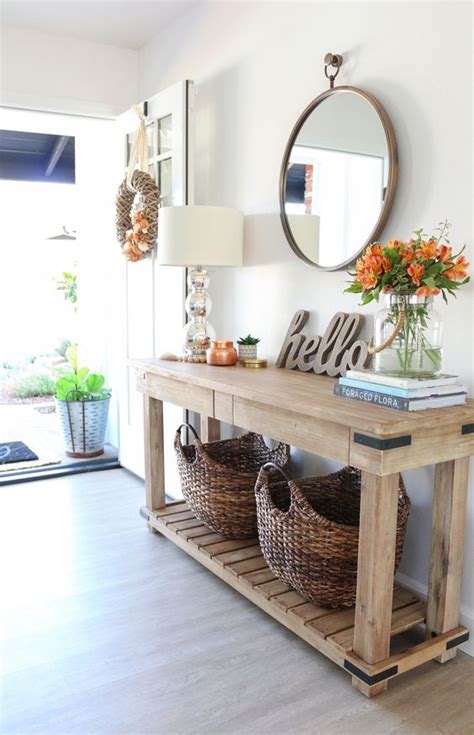
Modern architectural layouts across the United States frequently favor open-plan living. While these expansive floor plans maximize natural light and social connectivity, they eliminate traditional architectural barriers like dedicated mudrooms or separate corridors. Consequently, the boundary between the outside world and your private living space blurs, making visible surface clutter an immediate concern for homeowners and apartment renters alike.
A dedicated console table equipped with functional storage provides a designated landing strip that conceals everyday items before they spill into the main living areas. By utilizing furniture with enclosed compartments, households can maintain a curated, minimalist aesthetic without sacrificing accessibility. Whether you live in a historic brownstone with narrow hallways or a suburban colonial with a generous foyer, incorporating a storage-forward console establishes immediate spatial order.
Key Storage Features to Look For: Drawers, Shelves, and Cabinets
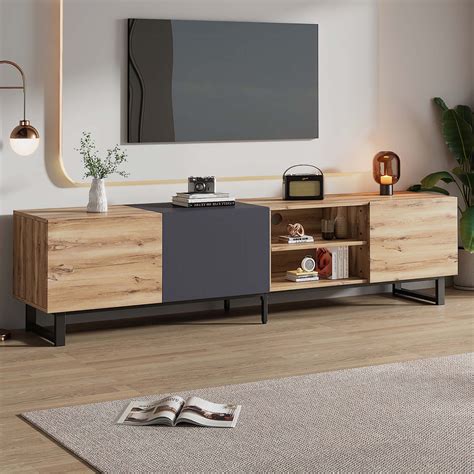
When shopping for furniture that balances form and function, understanding the distinct types of storage configurations is vital. Each storage style serves a specific organizational purpose and contributes differently to the overall visual balance of the room.
Hidden Drawers for Everyday Small Items
Shallow built-in drawers are the ultimate solution for keeping unsightly clutter out of sight. They offer the perfect hiding spot for mail, notepads, charging cables, and spare keys. When evaluating drawer construction, look for smooth glider tracks and sturdy pulls that complement the overall hardware finish of your home.
Open Lower Shelves for Baskets and Decor
Lower shelving provides expansive vertical real estate that is often underutilized. By placing woven baskets, decorative storage boxes, or large art books on these lower levels, you add texture and warmth to the room while corraling bulky items like extra throw blankets or children’s toys.
Enclosed Cabinets for Maximum Privacy
For items that are purely utilitarian, cabinet-style console tables feature doors—either solid wood, glass paneled, or rattan mesh—that completely seal off the interior. This option works exceptionally well in open-concept living rooms where the back of the console may float behind a sofa, keeping electronic accessories and board games neatly tucked away.
Matching Console Table Styles to Your Interior Aesthetic
Integrating a console table into your existing decor requires a thoughtful approach to material, color, and silhouette. The market offers versatile designs tailored to contemporary preferences, making it easy to find a piece that anchors your room harmoniously.
For modern and transitional homes, sleek metal frames paired with tempered glass or minimalist wooden slabs create an airy, uncluttered footprint. Conversely, American farmhouse and rustic interiors benefit from distressed finishes, reclaimed wood, and substantial beadboard paneling that introduce organic warmth and historic character. If your space leans traditional, rich mahogany or cherry veneers with classic turned legs offer timeless elegance and understated sophistication.
Practical Strategies for Styling Without Clutter
Achieving a high-end designer look on your console table relies on restraint and deliberate grouping. Begin by anchoring the vertical space with a large statement mirror or a piece of framed artwork that reflects the room’s color palette. This draws the eye upward and establishes a focal point above the furniture surface.
Next, apply the rule of asymmetry by grouping objects in odd numbers—such as a trio of ceramic vases or a stack of books paired with a sculptural table lamp. Leave a clear zone on the surface for everyday utility, ensuring that your stylish vignette does not interfere with the table’s primary function as an organizational drop-zone.
Frequently Asked Questions
What types of storage do console tables offer?
Console tables provide various storage solutions including shallow pull-out drawers for small essentials, open lower shelves for baskets and decor, and fully enclosed cabinets with doors to hide bulky or utilitarian items completely out of sight.
How do I choose the right size console table for my entryway?
Measure your available wall space and ensure you leave at least 36 inches of clear walking path around the table. For narrow hallways, look for slim-profile tables with a depth of 10 to 12 inches to prevent blocking foot traffic.
Which styles work best for modern American home decor?
Modern American homes typically benefit from transitional styles, clean-lined wooden silhouettes, or mixed-material pieces featuring matte black metal and warm oak that complement both open-concept floor plans and traditional architectural details.
How can I style a console table so it looks elegant rather than cluttered?
Keep the surface balanced by anchoring the wall above with a mirror or art piece, grouping decorative objects in odd numbers, utilizing trays to corral small items, and reserving designated space for everyday practical use.


