Upgrading your living room centerpiece does not require draining your savings account. Finding a stylish seating option that fits comfortably within a household budget comes down to understanding the intersection of frame construction, upholstery fabrics, and silhouette design. Across American homes, homeowners and apartment renters alike face the challenge of sourcing durable furniture that meets contemporary aesthetic standards without carrying a luxury price tag.
Navigating the affordable furniture market successfully requires looking past initial sticker prices and marketing buzzwords. By breaking down what makes a couch structurally sound and visually appealing, you can make an informed investment that elevates your entire living space while standing up to daily wear and tear.
Defining Affordable Style for Modern US Living Rooms

Modern American living spaces vary widely, ranging from compact urban apartments in major metropolitan areas to sprawling suburban houses. Because floor plans and architectural styles differ so dramatically, affordable style must be versatile. A truly stylish budget sofa should anchor a room without overwhelming it, providing clean lines and a neutral or sophisticated color palette that adapts to changing seasonal decor.
Achieving a designer look on a budget often involves prioritizing timeless silhouettes over fleeting micro-trends. Mid-century modern tapered legs, minimalist track arms, and classic tailored upholstery tend to transcend specific eras, ensuring your investment remains visually relevant for years to come. When you select a piece with adaptable design fundamentals, you gain the freedom to refresh surrounding accessories like throw pillows, rugs, and wall colors without needing to replace the sofa itself.
Evaluating Structural Integrity and Materials
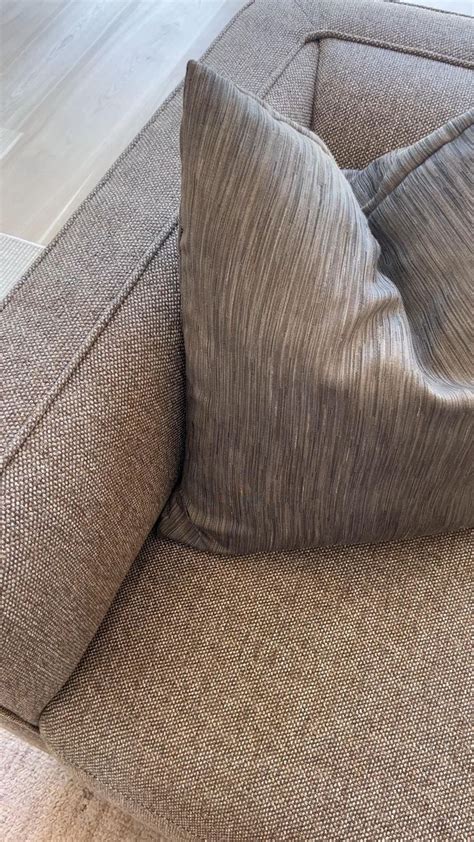
The biggest pitfall when purchasing an economical couch is sacrificing internal quality for a low upfront cost. While frames built entirely from engineered particle board may look appealing initially, they frequently warp or break under regular household use within a few short years. Look instead for frames constructed from solid hardwoods or mixed hardwoods reinforced with corner blocking, which provides much greater stability.
Cushion fill and upholstery fabric also dictate how well a budget piece ages. High-resilience polyurethane foam wrapped in fiber offers a supportive sit that bounces back over time, avoiding the dreaded permanent sagging common in ultra-cheap foam blocks. For fabrics, checking for tightly woven synthetics or performance blends ensures the material resists everyday friction, stains, and pet claws without breaking down prematurely.
Sizing and Spatial Considerations for Apartments Versus Houses
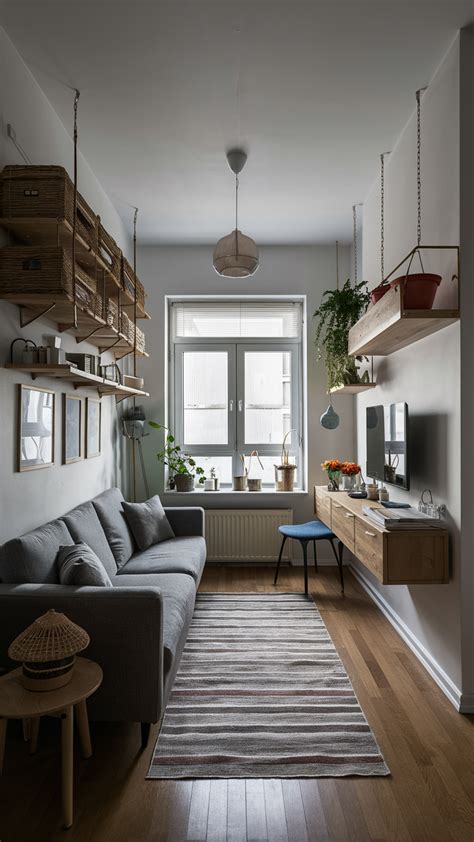
Scale is a critical factor that can make or break a room layout. Before falling in love with a sprawling sectional or a deep-seated couch, measure your doorways, hallways, and living area dimensions carefully. Compact apartments typically benefit from loveseats, apartment-sized sofas with shallow depths, or modular designs that allow you to configure pieces around awkward architectural features like radiators or structural columns.
Conversely, larger suburban homes can easily absorb full-sized three-seater sofas or L-shaped configurations. However, maintaining proper traffic flow remains essential regardless of your square footage. Leaving at least thirty inches of clear walkway around your primary seating pieces prevents the room from feeling cramped and ensures the space remains functional for entertaining guests and relaxing comfortably.
Sourcing Reliable Budget Couches in the US Market
Shopping for affordable seating options in the United States offers a wealth of avenues, spanning major online retailers, direct-to-consumer furniture brands, and regional clearance centers. Online-only retailers frequently provide competitive pricing due to streamlined shipping models, but it is vital to read customer reviews carefully regarding assembly complexity, actual color accuracy, and return policies.
Return policies deserve special scrutiny when purchasing furniture sight-unseen. Many budget brands charge steep restocking fees or require you to pay return freight if the sofa does not meet your comfort expectations. Whenever possible, investigate local outlet stores or traditional showrooms where you can physically test cushion firmness and fabric texture before committing your hard-earned money.
Frequently Asked Questions
What are the best affordable sofa styles for small spaces?
Apartment-sized sofas, loveseats, and mid-century modern designs with exposed wooden legs are ideal for small spaces. These styles create a sense of visual openness by allowing light to pass underneath the frame, preventing the room from feeling overcrowded.
How can I tell if a cheap sofa will actually last?
Examine the frame materials and suspension system. Look for hardwood or reinforced composite frames, sturdy sinuous springs or webbing instead of weak elastic bands, and high-density foam cushions that resist long-term sagging.
What fabrics offer the best durability on a budget?
Tightly woven synthetic fabrics such as polyester, microfiber, and specially treated performance blends offer exceptional resistance to stains, fading, and daily wear, making them ideal for budget-conscious households with children or pets.
How do I style an affordable sofa to look high-end?
Layer your sofa with high-quality textiles like textured linen throw pillows, a chunky knit blanket, and position it against a thoughtfully painted accent wall or alongside a stylish floor lamp to create an elevated, designer appearance.


