For decades, the standard living room recliner faced an unfair design reputation. Often associated with oversized, overstuffed silhouettes that dominated a room, traditional recliners were frequently sacrificed when homeowners sought to curate a cohesive, stylish interior. Fortunately, contemporary furniture manufacturing has evolved dramatically. Today’s market offers sleek profiles, hidden mechanisms, and tailored silhouettes that rival standard accent chairs in visual appeal while still delivering targeted lumbar support and relaxation. Selecting the ideal piece requires looking past the showroom floor label and evaluating how a chair integrates into your daily routine, room layout, and decorative scheme.
Bringing a recliner into a well-designed living space starts with acknowledging a fundamental tension: deep-seated, pillowy relaxation naturally requires more volume than a streamlined wooden armchair. Successfully bridging this gap means analyzing your physical requirements, understanding how different mechanisms operate within a floor plan, and selecting upholstery that withstands daily life while elevating the room’s overall aesthetic.
Identifying Your Ergonomic Comfort Needs
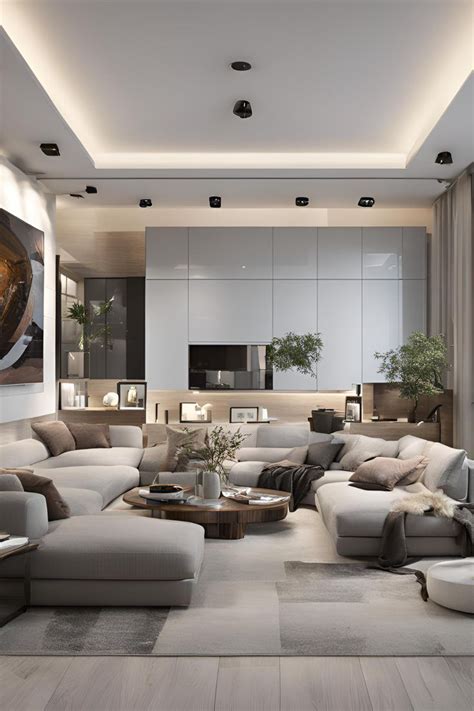
Before evaluating fabrics or furniture legs, prioritize how the chair will support your body during extended periods of sitting. Ergonomic requirements vary significantly depending on height, posture habits, and whether the chair will serve as a primary reading nook, TV-watching spot, or afternoon nap destination. Look for models with adjustable headrests, proper lumbar support, and footrests that elevate your legs comfortably without cutting off circulation behind your knees.
The scale of the chair must match your physical frame. A recliner designed for a taller individual will leave a shorter person’s feet dangling or fail to support the lower back correctly, while a petite chair can feel restrictive for broad shoulders. Testing the transition from upright sitting to a fully reclined position is essential. The movement should feel fluid, and the lower back should remain supported at every angle of elevation rather than creating an awkward gap in the mid-spine area.
Matching Recliner Styles to Existing Living Room Decor
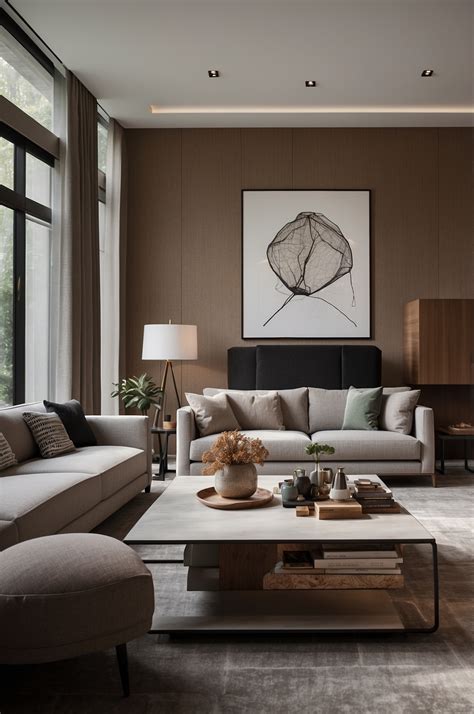
One of the most common design challenges is ensuring a recliner does not overpower a room’s existing seating arrangement. If your living room features clean-line mid-century modern sofas or minimalist Scandinavian decor, a massive overstuffed leather beast will instantly disrupt the visual harmony. Instead, search for tailored profiles featuring slim track arms, exposed wooden legs, and structured back cushions that disguise the hidden mechanism.
Push-back recliners are particularly effective for design-conscious homeowners. By relying on your body weight rather than a visible side handle or lever to recline, these chairs maintain the clean silhouette of a traditional club chair. When placed diagonally in a corner or paired opposite a main sofa, a well-styled push-back recliner anchors the conversation area without advertising its mechanical nature.
Understanding Mechanisms: Manual, Power, and Push-Back
The internal mechanics of a recliner dictate both its price point and its day-to-day convenience. Manual recliners utilize a side lever or latch connected to a spring-loaded footrest. They are generally more affordable, reliable over the long term because they lack electrical components, and do not require proximity to a wall outlet. However, they typically lock into only two or three set positions.
Power recliners feature electric motors controlled by subtle buttons tucked discreetly into the side cushion or armrest. These models allow for infinite reclining angles, letting you stop the footrest and backrest at the exact millimeter that feels most comfortable. The primary trade-off is spatial and electrical logistics: power recliners require access to a floor outlet or a rechargeable battery pack, and the motor housing can add extra weight to the overall frame.
Measuring and Spatial Planning for Your Living Space

Spatial planning prevents buyer’s remorse when your new furniture arrives. A common mistake is measuring only the footprint of the chair in its upright position while ignoring the clearance needed when fully reclined. Traditional wall-hugger recliners glide forward on a track, requiring as little as four to six inches of clearance from the wall behind them. Standard rocking or deep-reclining models, however, may need up to twenty inches of rear space to function correctly.
Consider traffic flows through the room as well. If the footrest extends directly into a primary walkway or blocks access to a bookshelf or side table, the room will instantly feel cramped and disorganized. Map out the recliner’s footprint using blue painter’s tape on your hardwood or carpeted floor before making a final purchase to ensure comfortable clearance from coffee tables and entertainment units.
Material and Upholstery Choices for Durability and Lifestyle
Your household lifestyle should dictate the fabric or leather you select. Homes with energetic children, cats, or dogs require high-performance textiles that resist staining, claw snags, and routine wear. Performance wovens treated with stain-resistant finishes or tightly bound microfiber fabrics offer high durability while remaining soft to the touch and visually inviting.
Genuine leather brings a classic, sophisticated texture that patinas beautifully over time, but it requires periodic conditioning and can feel warm in humid climates or sticky during summer months. Textured bouclé, heavy linen blends, and rich velvets add wonderful tactile depth to modern living spaces, though they demand a bit more mindful maintenance in high-traffic family zones.
Frequently Asked Questions
How do I choose a recliner that doesn’t look bulky?
Look for recliners with exposed wooden legs, slim track arms, and tight back cushions rather than oversized, pillowy cushions. Push-back styles and high-leg recliners mimic the appearance of standard accent chairs while hiding their mechanical functions.
What is the difference between manual and power recliners?
Manual recliners operate via a physical lever or body pressure, offering set reclining angles and no need for electrical outlets. Power recliners use electric motors for smooth, infinite adjustments at any angle, though they require a power source or battery pack.
How much space do I need to leave behind a recliner?
The required clearance depends on the mechanism. Standard recliners may need 12 to 20 inches of space behind the backrest, while wall-hugger recliners glide forward and can operate smoothly with just 4 to 6 inches of wall clearance.
Which fabrics are best for homes with pets or children?
Performance wovens, tightly woven synthetic blends, and heavy-duty microfiber are ideal because they resist staining, are easy to spot-clean, and discourage pet claws from snagging the fibers compared to loose-weave linen or delicate velvet.
How do I match a recliner with my current sofa?
You do not need to buy matching suite furniture. Instead, tie the recliner to your sofa through a shared design element, such as matching wood tones in the legs, a complementary accent color, or a contrasting texture that echoes another textile in the room like throw pillows or drapery.


