Selecting a living room rug involves much more than simply picking a pattern that catches your eye. In American homes and apartments, where living spaces range from compact urban studios to sprawling suburban open-concept layouts, the right rug anchors the entire room, defines functional zones, and adds necessary warmth underfoot. However, making the wrong choice in dimension or fiber can make a spacious room feel disjointed or overwhelm a cozy apartment. Grounding your design decisions in practical spatial guidelines ensures that your investment enhances both comfort and daily utility for years to come.
Sizing Strategies for Apartments Versus Sprawling Homes
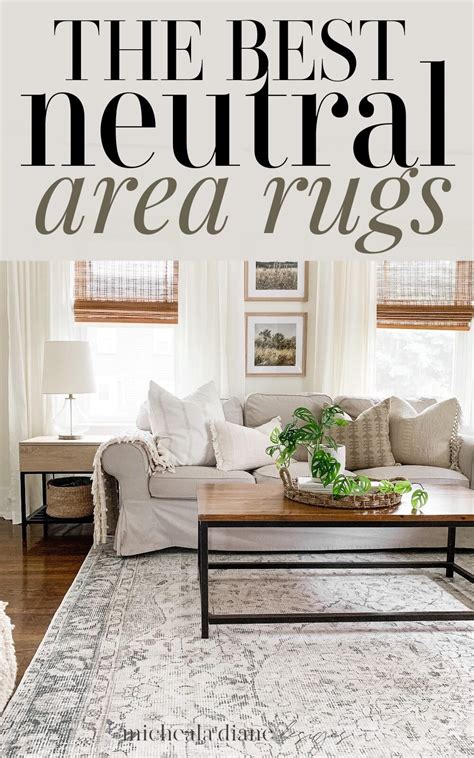
Scale is the single most critical factor when selecting a floor covering, yet it is where most decorators make critical sizing errors. In typical U.S. apartment living rooms, choosing a small 5×7 foot rug often results in a floating postage-stamp effect, where furniture sits completely detached from the textile boundary. Standard apartment floor plans generally benefit from an 8×10 foot rug, which allows the front legs of sofas and accent chairs to rest comfortably on the surface, visually expanding the room’s boundaries and creating a unified seating arrangement.
For larger suburban homes with open-concept floor plans, scaling up to a 9×12 foot or even a 10×14 foot rug is often necessary to successfully anchor a sectional sofa and multiple armchairs. When a rug is appropriately proportioned, it bridges the gap between disconnected seating pieces and establishes a clear conversational hub. Before purchasing, use painter’s tape on your hardwood or carpeted floor to outline potential dimensions, walking around the perimeter to ensure doors can still swing open freely without catching on the rug edge.
Mastering Furniture Placement Rules
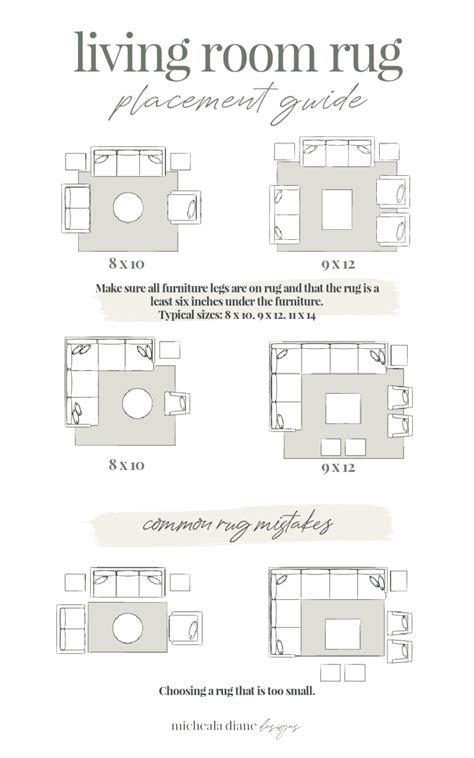
Once you understand sizing proportions, the next step involves deciding how your furniture interacts with the rug boundary. The three primary configuration rules—all legs on, front legs on, and all off—each serve distinct aesthetic and spatial functions depending on the dimensions of your living area and your personal design preferences.
Placing all furniture legs entirely on the rug creates a luxurious, cohesive look that works exceptionally well in large, dedicated living spaces or formal sitting rooms. This approach requires a substantial rug, but it delivers a high-end, unified aesthetic. Conversely, the “front legs on” rule is the most versatile and popular choice for standard American living rooms and apartments. By keeping the front legs of your sofa and chairs on the rug while the back legs rest on the bare floor, you achieve visual stability without requiring an oversized investment. The “all off” approach should generally be reserved for very small spaces where a tiny accent rug sits beneath a central coffee table, though this style requires careful balancing to avoid making the room feel fragmented.
Balancing Material Durability with Household Lifestyle
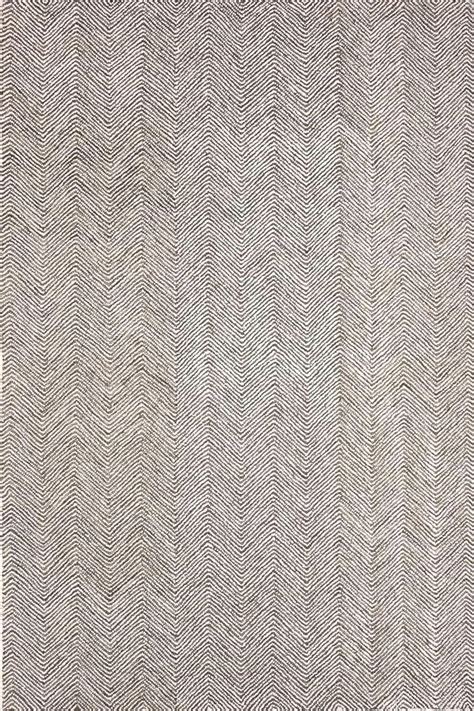
Aesthetics must always be weighed against the realities of daily foot traffic, pets, and children when evaluating rug fibers. Wool remains the gold standard for durability, natural stain resistance, and luxurious texture, making it a sound long-term investment for high-traffic suburban family rooms. However, wool rugs do shed initially and require regular, gentle vacuuming without a rotating beater bar to preserve their pile integrity over time.
For renters and busy households seeking easy maintenance, synthetic fibers like polypropylene, polyester, and nylon offer exceptional resilience against spills and heavy use at a more accessible price point. Indoor-outdoor synthetic weaves have evolved significantly, offering soft textures that mimic natural jute or sisal without the rough scratchiness or vulnerability to moisture. If you live in an apartment where renting limits permanent flooring changes, selecting a durable, stain-resistant synthetic rug allows you to protect landlord-provided carpets or hard surfaces while expressing your personal style.
Frequently Asked Questions
What size rug do I need for a standard apartment living room?
For most standard apartment living rooms, an 8×10 foot rug is the most versatile choice. It allows the front legs of your sofa and primary chairs to sit on the rug, which helps anchor the furniture and makes the space feel larger and more cohesive than a smaller 5×7 rug.
How do I choose a rug material that holds up to pets and children?
Opt for durable, stain-resistant synthetic fibers like polypropylene or nylon if you have heavy daily traffic, pets, or kids. These materials clean easily and resist moisture. If you prefer natural fibers, wool is exceptionally resilient and naturally repels stains, though it requires gentle maintenance.
What are the standard rug placement rules for furniture?
The three main rules are: all legs on the rug (best for large, open spaces), front legs on the rug (the most common and versatile choice for standard rooms), and all legs off the rug (typically used for very compact areas with a central coffee table).
How can renters protect apartment flooring with a rug?
Renters can use large area rugs to cover worn apartment carpets or protect hardwood floors from heavy furniture dents. Always pair your rug with a quality rug pad to prevent slipping, protect delicate underlying finishes, and add extra underfoot cushioning.


