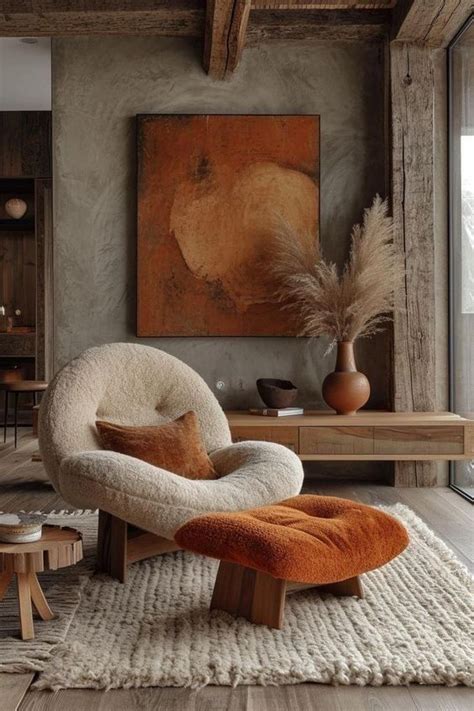
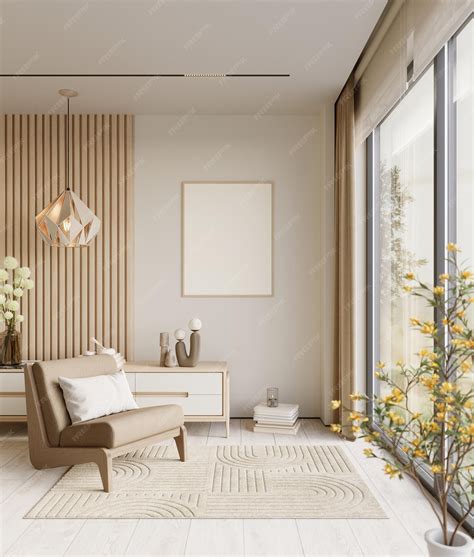
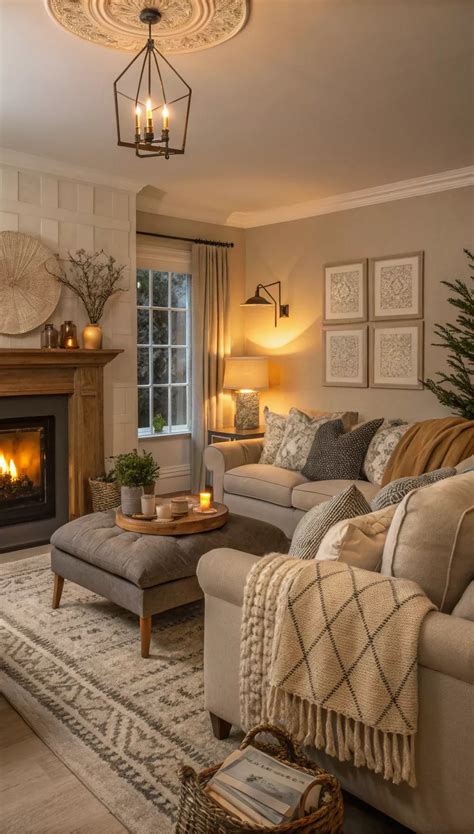
Selecting an end table often feels like an afterthought, yet this single piece of furniture acts as the functional anchor of your living room seating arrangement. Whether you are refreshing a suburban craftsman bungalow, a sunlit coastal apartment, or an urban loft, finding an accent table that bridges the gap between your existing sofa and the surrounding architecture requires careful consideration. Beyond simply holding a reading lamp or your evening coffee, the right end table introduces texture, balances room proportions, and ties disparate design elements together into a cohesive whole.
When searching for end tables that can adapt to evolving decor preferences, homeowners and renters alike benefit from evaluating silhouette, material integrity, and spatial scale. A piece that looks stunning in a showroom may overwhelm a compact apartment living room or look entirely out of place next to a deep-seated sectional. By understanding how different interior aesthetics categorize and utilize accent furniture, you can make a confident selection that enhances both daily convenience and timeless aesthetic appeal.
Understanding Scale and Proportion in American Living Spaces
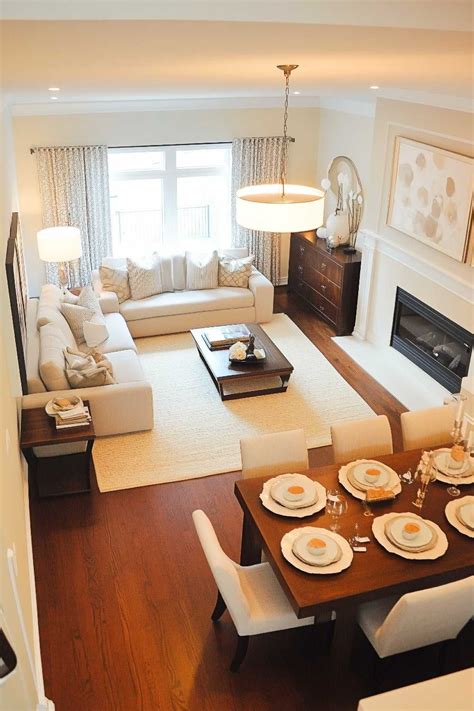
Before committing to a specific design style, mastering the foundational rules of furniture scale is essential. The golden rule of end table placement relies on the height of your sofa arm. Ideally, your end table should be approximately the same height as the arm of your sofa or chair, usually falling between 22 and 26 inches for standard U.S. seating. If the table is significantly taller or shorter, reaching for items becomes awkward, and the visual flow of the room gets disrupted.
Proportion also dictates the surface area and visual weight you introduce into the floor plan. In a sprawling suburban family room equipped with a large sectional, delicate wire-frame tables can easily disappear, looking lost against heavy upholstery. Conversely, bulky block tables can choke a narrow urban apartment. Selecting materials like tempered glass or open metal legs helps maintain an airy feel, allowing natural light to travel freely across the floor and making smaller spaces appear larger than they actually are.
Modern and Minimalist End Tables for Clean Lines
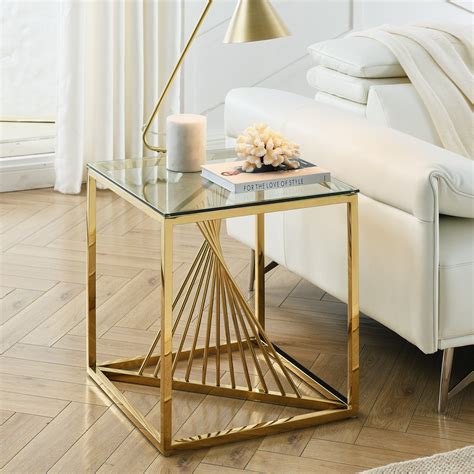
Modern and minimalist interiors thrive on restraint, geometric clarity, and purposeful design. End tables belonging to this design category often feature sleek silhouettes, monochromatic finishes, and an absence of fussy ornamentation. Materials commonly found in these pieces include powder-coated steel, molded plywood, matte ceramics, and seamless acrylic. These tables perform exceptionally well in contemporary apartments and open-concept homes where maintaining an uncluttered line of sight is paramount.
Choosing a minimalist table does not mean sacrificing functionality. Many contemporary designs incorporate clever concealed storage, such as integrated magazine slots or sliding top panels that hide clutter out of sight. When pairing a minimalist end table with a plush, heavily textured sofa, the stark contrast in shape creates a sophisticated visual tension. The trick is to keep surface styling minimal—perhaps a single sculptural ceramic object or a slim architectural lamp—to honor the clean philosophy of the space.
Modern Farmhouse and Rustic Wood Finishes
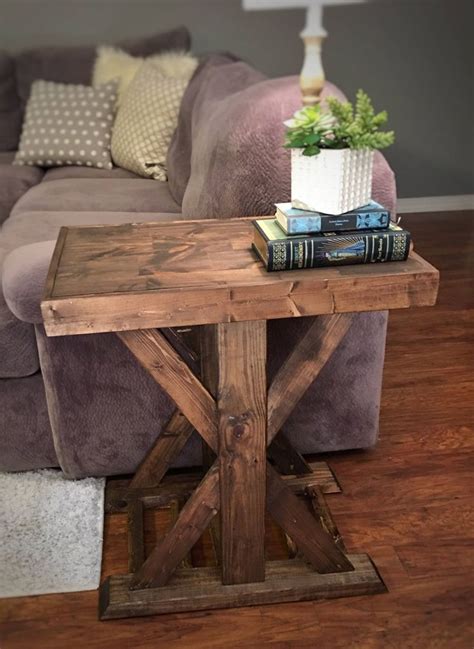
The enduring popularity of the modern farmhouse aesthetic across the United States stems from its focus on warmth, comfort, and tactile organic materials. End tables in this category typically showcase reclaimed timber, distressed oak, or whitewashed finishes paired with subtle blackened iron hardware. These pieces bring an inherent coziness to a living room, making family spaces feel grounded, lived-in, and deeply welcoming without sliding into rustic pastiche.
One major advantage of wood farmhouse tables is their incredible versatility and durability under daily use. Natural wood grains and minor knots naturally disguise everyday wear and tear, making them ideal choices for busy households with children or pets. When integrating a rustic wood table into a transitional or eclectic living room, ensure the wood undertone—whether warm honey, cool grey, or deep walnut—harmonizes with your existing coffee table or flooring rather than fighting against the room’s overarching temperature.
Industrial and Urban Loft Aesthetics
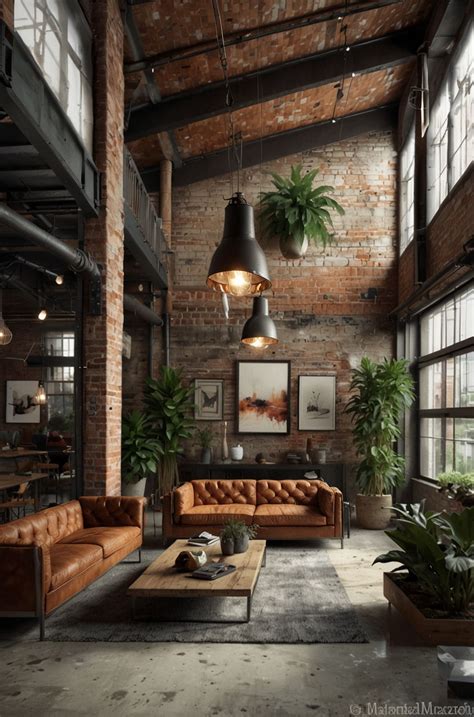
Industrial design continues to influence urban and suburban homes alike, celebrating raw materials like distressed metal, exposed rivets, and weathered concrete. Industrial end tables offer a robust, architectural presence that instantly adds character to neutral color palettes. These pieces often combine reclaimed wood tops with heavy-duty iron frames, creating a durable hybrid structure capable of anchoring a loft-style living room or a brick-walled den.
The primary trade-off with industrial furniture is its heavy visual weight. Because these tables are structurally dense, they work best when balanced against softer textiles, such as a thick wool area rug, linen drapery, or an oversized tufted sofa. If your living space receives limited natural light, opt for industrial designs that utilize open metal mesh or hairpin legs to prevent the corner from feeling gloomy or overcrowded.
Transitional and Traditional Elegance
For homes featuring classic architectural details like crown molding, traditional fireplaces, or formal layouts, transitional and traditional end tables provide a sense of timeless sophistication. These tables often feature classic woodworking techniques, including turned legs, subtle beveling, and rich mahogany or cherry stains. Transitional designs successfully bridge old and world charm with contemporary sensibilities by simplifying classic silhouettes and pairing them with polished nickel or antique brass pulls.
A transitional end table with a pull-out drink tray or a lower display shelf offers exceptional utility for entertaining guests. These surfaces provide extra room for coasters and small plates during gatherings while maintaining an orderly appearance day-to-day. When styling a traditional table, classic accessories like a ceramic ginger jar, a stack of hardcover books, or a tailored pleated lampshade complete the refined atmosphere.
Frequently Asked Questions
What is the ideal height for a living room end table?
The ideal end table height should match the height of your sofa’s armrest, which typically ranges from 22 to 26 inches. Matching the height ensures comfortable reach and creates a balanced visual line across your seating arrangement.
Can I mix different wood tones between my coffee table and end table?
Yes, mixing wood tones adds depth and prevents a room from looking too uniform or staged. To keep the look cohesive, ensure that the undertones match—such as pairing warm golden woods together or cool-toned oaks—while varying the grain and finish.
How do I choose an end table for a small living space?
For compact living rooms, look for end tables with transparent materials like glass, open metal frames, or nesting table sets. These options reduce visual bulk and allow light to pass through, keeping the room feeling open and spacious.
Are marble or stone top end tables durable for daily use?
Marble and stone offer stunning visual elegance and heat resistance, but they are porous and susceptible to etching from acidic liquids like wine or citrus. If you choose stone, ensure it comes with a protective factory sealant and use coasters consistently.