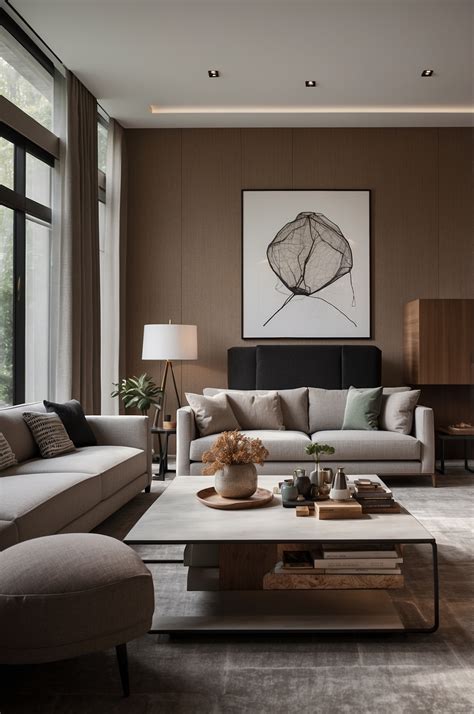
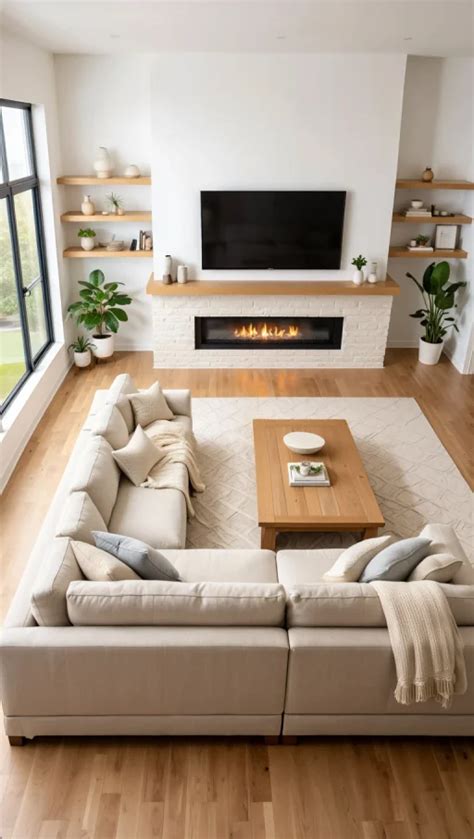
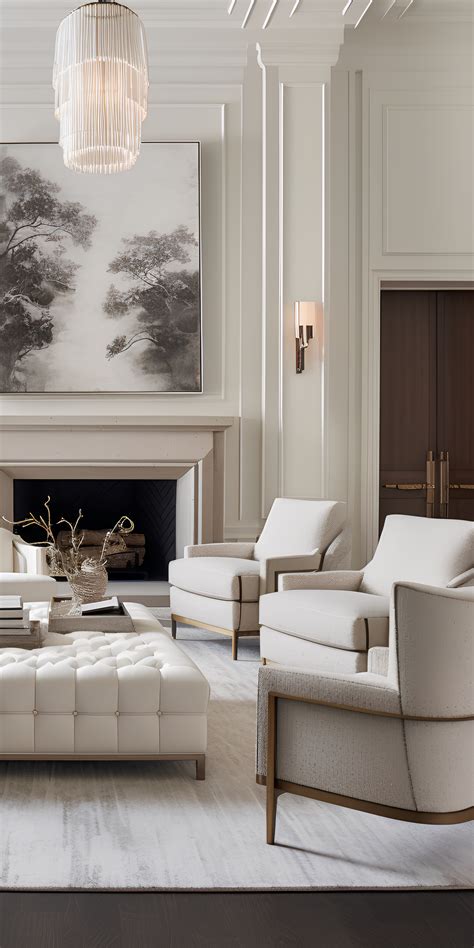
Selecting a sectional sofa is one of the most substantial furniture investments you can make for an American home. Because the family room or open-concept living space serves as the central hub for daily life, movies, afternoon naps, and gatherings, the material you choose matters just as much as the configuration. A gorgeous layout fails quickly if the upholstery cannot handle everyday friction, pet claws, or spilled morning coffee.
Evaluating your household routine before stepping into a showroom or browsing online storefronts saves considerable frustration. Different materials behave uniquely across varying U.S. regional climates, from humid southern summers to freezing northern winters. Balancing tactile comfort, aesthetic appeal, and realistic maintenance requirements ensures your sectional remains a favorite gathering spot for years to come.
Leather Sectionals: Timeless Durability and Climate Realities
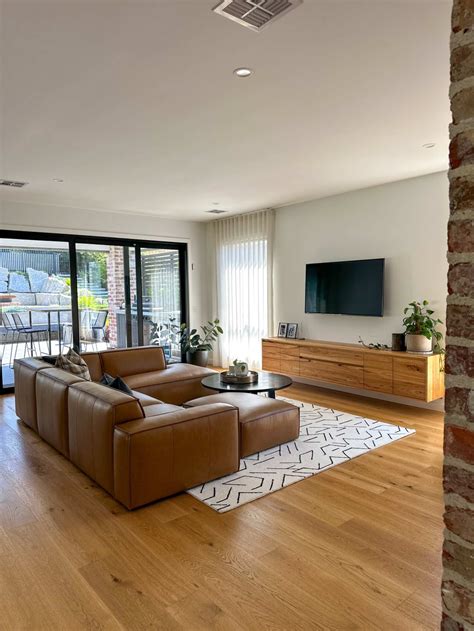
Leather sectionals command attention, bringing an instant sense of sophistication, warmth, and tailored structure to a living room. Beyond aesthetics, genuine leather offers exceptional structural longevity when conditioned properly. Spills wipe away easily from corrected or semi-aniline hides, making liquid accidents less stressful for households with young children. Over the years, quality leather develops a rich patina that tells the story of your home, often looking better with age rather than simply wearing down.
However, leather requires careful consideration regarding indoor climate and daily habits. In regions with freezing winters, genuine leather feels quite cold when you first sit down. Conversely, high humidity and lack of central air conditioning can make standard leather feel sticky against bare skin during mid-summer. Households with cats must also weigh the risk of claw punctures, as even thick leathers can show microscopic scratches from energetic pets scaling the cushions.
Maintenance and Cleaning Realities for Leather
Maintaining a leather sectional involves more than just a quick vacuum pass. Dust and crumbs settle into the crevices of large sectional configurations, requiring a soft brush attachment. To prevent cracking, leather demands specialized conditioning treatments every six to twelve months, depending on indoor humidity levels. Skipping this maintenance step in arid climates can cause the hide to dry out and split prematurely.
When spills happen, immediate action with a dry or damp microfiber cloth usually prevents staining. Avoid harsh household detergents or multi-purpose surface sprays, which strip natural oils from the leather finish. Investing in a manufacturer-recommended leather care kit ensures you have the right pH-balanced cleaner on hand for unexpected mishaps.
Traditional Fabric Sectionals: Ultimate Softness and Design Versatility
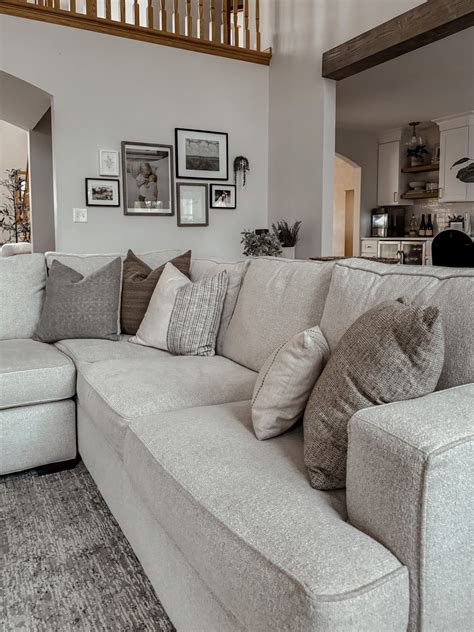
Fabric upholstery remains deeply popular because it offers unmatched variety in texture, color, and tactile warmth. Whether you lean toward a casual, lived-in linen blend or a plush, velvety chenille, fabric sectionals invite you to curl up comfortably. They adapt effortlessly to transitional, modern, or farmhouse interior design styles commonly found in American homes, providing a soft acoustic buffer in rooms with hardwood floors and open-concept layouts.
The primary trade-off with traditional woven fabrics is vulnerability to stains and moisture. Standard cottons, linens, and rayon blends absorb liquids quickly, locking spills deep into the foam padding if not addressed instantly. Furthermore, woven textiles trap pet hair, dander, and dust mites much more readily than smooth surfaces, demanding consistent vacuuming and occasional professional steam cleaning to maintain a fresh environment.
Assessing Pet and Kid Compatibility with Woven Textiles
If your household features high-energy kids and shedding pets, selecting the right weave makes all the difference. Loose-weave fabrics like tweed or raw linen snag easily on pet claws and fingernails, leading to unsightly pulled threads. Tight, smooth weaves—such as heavy canvas or commercial-grade polyester—resist snagging much better and endure the daily wear of tumbling toddlers.
Color selection also plays a crucial role in daily stress reduction. Solid, ultra-light beige fabrics show every speck of dirt and paw print, whereas medium-tone heathered or textured gray fabrics naturally camouflage everyday dust and minor imperfections between cleanings.
Stain-Resistant and Performance Fabrics: The Modern Standard

Performance fabrics have revolutionized modern upholstery by bridging the gap between the cozy aesthetic of woven textiles and the wipe-clean convenience of leather. Engineered solutions like Crypton, Sunbrella interior lines, and advanced cryptonized polyester feature moisture barriers embedded at the molecular level. Liquids bead up completely on the surface rather than soaking into the cushion core, giving you precious minutes to blot away messes.
While performance fabrics carry a higher initial price tag than standard retail upholstery, they significantly reduce long-term cleaning costs and replacement anxiety. They resist fading from direct sunlight streaming through large living room windows, making them ideal for sun-drenched U.S. floor plans. Pet hair brushes off easily, and many performance lines withstand rigorous cleaning agents, including diluted bleach solutions for stubborn stains.
Comparing Popular Performance Options
Understanding the terminology helps when navigating upholstery specifications. Crypton-treated fabrics feature a permanent moisture barrier combined with stain resistance, making them virtually impermeable to liquids. Solution-dyed acrylics, popularized by outdoor brands moving indoors, offer exceptional fade resistance and clean up with basic soap and water.
When shopping, check whether the performance attribute is a topical spray treatment or an inherent fiber characteristic. Topical coatings eventually wear down after years of heavy friction and professional cleanings, whereas inherent performance fibers maintain their stain-blocking properties throughout the entire lifespan of the sectional.
Quick Material Comparison for U.S. Households
| Material Type | Best For | Climate Considerations | Maintenance Level |
|---|---|---|---|
| Genuine Leather | Easy wipe-up, sleek style, adult households | Cold in winter; can feel sticky in high humidity | Medium (requires regular conditioning) |
| Traditional Fabric | Maximum softness, design variety, cozy aesthetics | Neutral, but traps heat and humidity | High (frequent vacuuming, spot cleaning) |
| Performance Fabric | Busy families, pet owners, high-traffic rooms | Handles sunny rooms well; highly breathable | Low to Medium (resists stains naturally) |
Frequently Asked Questions
Which sectional material is best for homes with multiple pets?
Performance fabrics with tight weaves or heavy-duty corrected leather are typically the best choices for pet owners. Tight performance weaves resist claw snags, while pet hair brushes off easily. Avoid loose weaves like tweed or delicate silks, which trap hair and pull apart under claws.
Are performance fabrics safe for children and indoor air quality?
Many modern performance fabrics are certified free of harmful chemical treatments, such as GREENGUARD Gold certifications. Always check manufacturer specifications to ensure the textile meets indoor air quality standards and is free from harsh antimicrobial additives if sensitive family members have allergies.
How do I prevent leather sectionals from cracking over time?
To prevent leather from cracking, keep your sectional at least two to three feet away from heating vents, radiators, and direct fireplaces. Apply a specialized leather conditioner every six months to replenish natural oils, especially in dry winter climates or homes with forced-air heating.
Is a modular fabric sectional easier to clean than a one-piece design?
Modular sectionals offer distinct cleaning advantages because individual pieces can be pulled apart, vacuumed thoroughly in hard-to-reach crevices, and sometimes feature removable, washable cushion covers. Always verify whether cushion covers are machine-washable or require professional dry cleaning before attempting to wash them.