When furnishing or updating an American living room, selecting the central table is rarely just an aesthetic choice. Across U.S. households—ranging from compact urban apartments in Chicago to sprawling suburban homes in Texas—living room tables serve as multi-purpose hubs. They anchor seating arrangements, hold morning coffee, conceal clutter, and occasionally double as makeshift dining or workspaces. Finding the right balance between visual appeal and everyday utility requires understanding which categories currently dominate the market and how they fit into your specific layout.
Evaluating top-selling designs reveals a clear shift toward purposeful versatility. Homeowners and renters alike are moving away from purely decorative, oversized pieces that restrict movement. Instead, modern living spaces benefit from adaptable configurations, clever hidden storage, and materials that withstand the rigors of daily household routines. By aligning your choice with your room’s dimensions and your household’s daily habits, you can invest in a centerpiece that enhances both form and function.
Top-Selling Living Room Table Categories
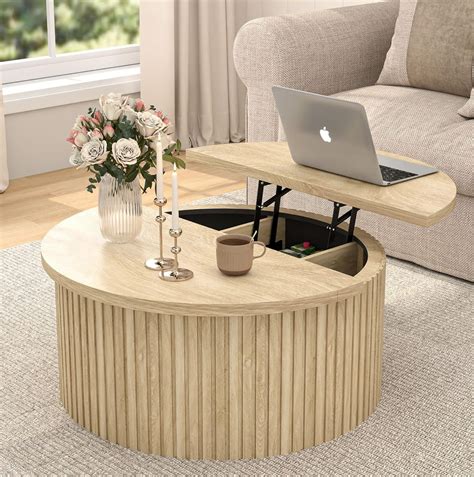
The modern U.S. furniture market highlights several distinct table categories that consistently outperform others in popularity. Lift-top coffee tables remain a perennial favorite for households that lack traditional office space or enjoy casual dinners in front of the television. By allowing the top surface to elevate toward the user, these designs provide ergonomic working heights without requiring a bulky desk in the living area. They successfully bridge the gap between relaxation and productivity.
Another dominant trend is the rise of nesting tables, which offer remarkable flexibility for smaller apartments and multi-use rooms. Nesting sets allow homeowners to expand their surface area when hosting guests and tuck the secondary tables away neatly when floor space is at a premium. Similarly, console tables positioned behind a floating sofa or against an entryway wall help define open-concept layouts while providing valuable display and drop zones for everyday items.
Balancing Style and Everyday Utility
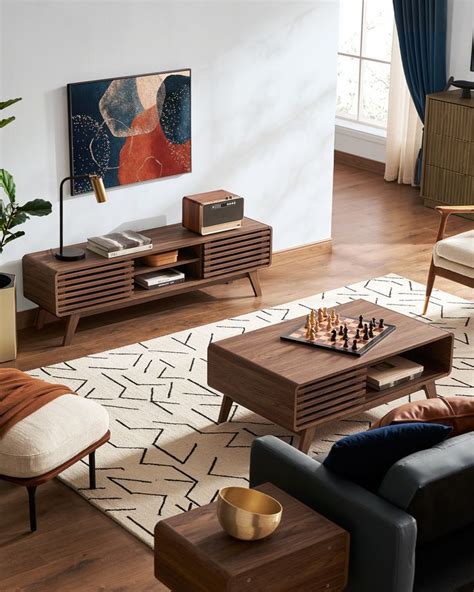
Choosing a living room table that satisfies both visual and practical criteria starts with a realistic assessment of your household routines. If you live with small children or energetic pets, sharp glass corners and fragile high-gloss lacquers may create unnecessary stress. In these environments, rounded solid wood or textured upholstered ottomans functioning as tables offer safer, family-friendly alternatives that still adhere to contemporary design standards.
Storage capacity represents another vital intersection of style and function. Open-shelf coffee tables allow you to showcase curated art books and decorative baskets, keeping the surface clear of daily clutter. However, if your living room tends to accumulate remote controls, charging cables, and board games, opting for a design with built-in drawers or deep under-table storage compartments keeps the room looking pristine with minimal daily effort.
Sizing and Layout Guidelines for U.S. Spaces
Proper scale is essential when integrating a new table into a standard American living room. A common pitfall is purchasing a coffee table that overwhelms the seating area or sits too far away from the sofa to be comfortably reached. As a general spatial guideline, leave approximately 14 to 18 inches of clearance between your sofa and the edge of the coffee table. This ensures comfortable legroom while keeping beverages and books within easy reach.
Height proportion is equally critical to achieving a balanced room layout. Traditional coffee tables generally match the height of your sofa cushions or sit slightly lower, typically around 16 to 18 inches tall. If you select a lift-top or accent table, verify that the raised surface does not obstruct sightlines to the television or disrupt the natural flow of conversation across the room, ensuring your furniture layout feels welcoming and harmonious.
Frequently Asked Questions
What table height works best with a standard U.S. sofa?
Standard U.S. sofas typically feature seat heights around 17 to 19 inches. Consequently, a coffee table that sits roughly 16 to 18 inches high provides the most comfortable reach and visual proportion, though accent or side tables can match your sofa’s arm height for convenience.
Are glass-topped tables durable enough for everyday family use?
Glass-topped tables offer an airy, light-reflecting quality that makes small living rooms feel larger. However, tempered safety glass is an absolute must for households with children or pets to minimize shatter risks, though owners should be prepared for frequent wiping to keep fingerprints and smudges invisible.
How do I choose between nesting tables and a traditional single coffee table?
Choose nesting tables if your living space is compact or if you frequently host guests and need flexible, movable surface areas. Choose a traditional single coffee table if you require a permanent anchor for a large sectional or want substantial built-in storage underneath.


