Stepping into a home often begins in the hallway or entryway, making this transitional space the literal and figurative introduction to your interior design style. Yet, standard U.S. floor plans—ranging from compact urban apartment foyers to long suburban corridor hallways—frequently present unique spatial hurdles. A poorly chosen furniture piece can instantly block a swinging front door, create an awkward bottleneck for foot traffic, or simply look disproportionately small against a vast blank wall. Selecting the right console table requires balancing precise architectural measurements with thoughtful aesthetic choices.
When approached strategically, a hallway console table acts as a hardworking anchor for the room. It offers a convenient drop zone for keys and mail, provides a stage for statement lighting, and sets a welcoming tone for guests. Achieving this balance means moving past generic furniture shopping and evaluating how a piece physically interacts with your specific hallway architecture. By understanding critical dimensions, material trade-offs, and cohesive styling methods, you can transform an awkward transitional zone into one of the most functional and visually appealing areas of your home.
Mastering Hallway Dimensions and Traffic Clearance
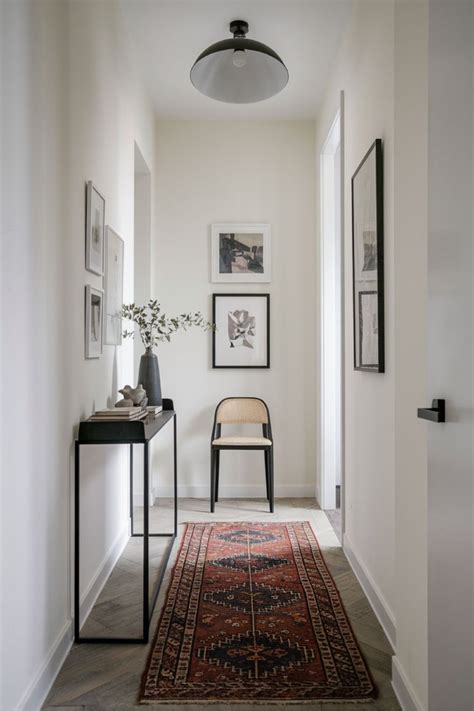
Before browsing finishes or decorative accents, measuring your hallway space is an absolute necessity. Standard American hallways and entryways typically require a minimum clear walking path of 36 inches to maintain comfortable traffic flow. If your corridor is narrow—a common trait in older colonial homes or modern high-rise apartments—you will want to look for ultra-slim console tables with a depth of just 10 to 12 inches. Standard console tables usually range from 14 to 18 inches in depth, which works beautifully in wider foyers or open-concept living room transition spaces.
Height is another critical variable that directly impacts both visual weight and daily usability. Most console tables stand between 30 and 36 inches tall, matching the standard height of countertops and sideboards. As a rule of thumb, ensure the table sits slightly below or level with standard light switch placements or halfway down the span of a nearby wall mirror. Leaving adequate breathing room between the floor and the underside of the table also prevents a heavy appearance, allowing natural light to sweep across the floor and making tight entryways feel significantly more expansive.
Selecting Materials for High-Traffic Entry Zones
The materials you choose for your hallway console table should reflect the intensity of daily household use. U.S. households frequently contend with heavy foot traffic, dripping umbrellas, backpacks, and pet activity near entry doors. Solid hardwoods like oak, walnut, or maple offer exceptional durability and age gracefully, absorbing minor scuffs with natural character. However, if you are working with a tight apartment foyer, glass or acrylic tables provide a brilliant optical trick, effectively disappearing into the room and reflecting light without adding visual clutter.
Metal frames paired with stone, marble, or wood-composite tops offer another durable combination for contemporary and transitional homes. Powder-coated iron or brass legs provide rigid structural support without taking up thick visual profiles. When evaluating stone or marble tops, keep in mind that porous surfaces may require sealing to protect against moisture from wet keys or beverage cups. Choosing the right material ensures your investment survives the daily hustle and bustle while retaining its pristine visual appeal for years to come.
Balancing Form and Function: Storage Solutions
A successful hallway console table should solve everyday organizational headaches without sacrificing style. In busy households, horizontal surfaces quickly degenerate into catch-alls for mail, sunglasses, loose change, and dog leashes. To combat this visual chaos, look for console designs featuring integrated drawers, lower shelving tiers, or hidden compartments. A table with shallow upper drawers keeps small essentials tucked away out of sight, maintaining a clean, editorial aesthetic on the tabletop surface.
Lower shelves provide an ideal home for structured storage baskets, woven bins, or neatly stacked art books. This multi-tier approach maximizes vertical storage in compact footprints. If your chosen table lacks lower shelving, you can easily slide matching woven baskets underneath the frame to corral shoes, winter accessories, or children’s gear. This keeps the floor clear of clutter while introducing tactile texture and warmth to hard hallway flooring like tile or hardwood.
Styling Strategies: Creating a Cohesive Entryway Vignette
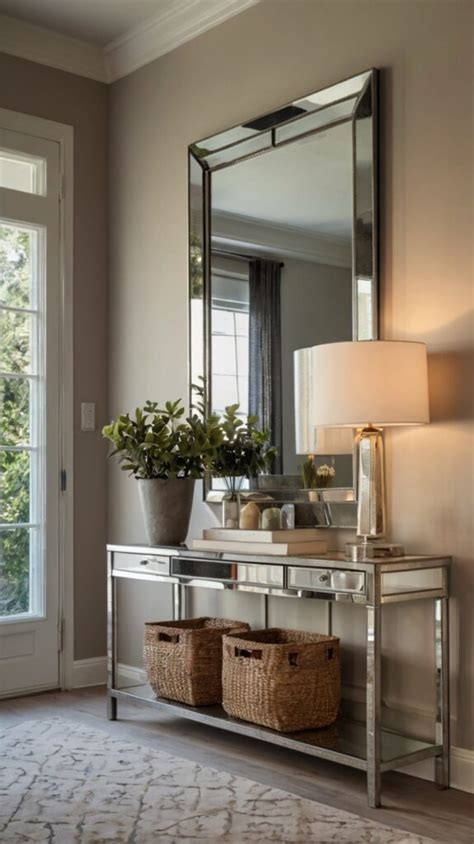
Once your console table is safely positioned against the wall, styling it requires a careful eye for scale, height variation, and negative space. Avoid the temptation to fill every square inch of the surface. Instead, anchor the wall space directly above the table with a large statement mirror or a piece of framed artwork that spans roughly two-thirds of the table’s width. Mirrors are particularly effective in U.S. hallways because they bounce ambient light around and create an illusion of greater depth in narrow corridors.
To build a balanced vignette, layer items in varying heights rather than lining them up uniformly. Place a tall table lamp or a sculptural floral arrangement on one side to draw the eye upward, and balance it on the opposite side with a stack of decorative books topped with a small catch-all dish. Leaving a portion of the tabletop completely bare ensures the piece looks intentional and curated rather than overcrowded, establishing a calm, inviting atmosphere the moment you walk through the door.
Frequently Asked Questions
How deep should a console table be for a narrow hallway?
For narrow hallways or tight apartment entryways, look for console tables with a depth of 10 to 12 inches. This leaves plenty of clearance for a comfortable 36-inch walking path and prevents the piece from obstructing doors.
What is the correct height for a hallway console table?
Most standard console tables range between 30 and 36 inches in height. This places the surface at a comfortable height for dropping keys and matches the ergonomic standard of surrounding furniture and standard light switches.
How do I style a console table so it doesn’t look cluttered?
Practice restraint by applying the rule of thirds. Anchor one side with a tall element like a lamp, place medium-height objects in the center, and leave some open space. Use trays or shallow drawers to corral small everyday items.
What materials work best in high-traffic entryways?
Solid hardwoods like oak and maple, powder-coated metals, and tempered glass or acrylic are ideal for busy entryways because they withstand daily wear, resist minor impacts, and are easy to clean.


