Choosing a leather sofa is one of the most rewarding investments you can make for your living space, combining timeless elegance with unmatched durability. As we navigate furniture trends and household needs, selecting the right piece requires balancing aesthetics with daily practicality. Whether you are outfitting a cozy urban apartment or a sprawling suburban family room, understanding leather grades, frame construction, and cushion density ensures your purchase will look magnificent and provide reliable comfort for years to come.
Understanding Leather Quality and Grades
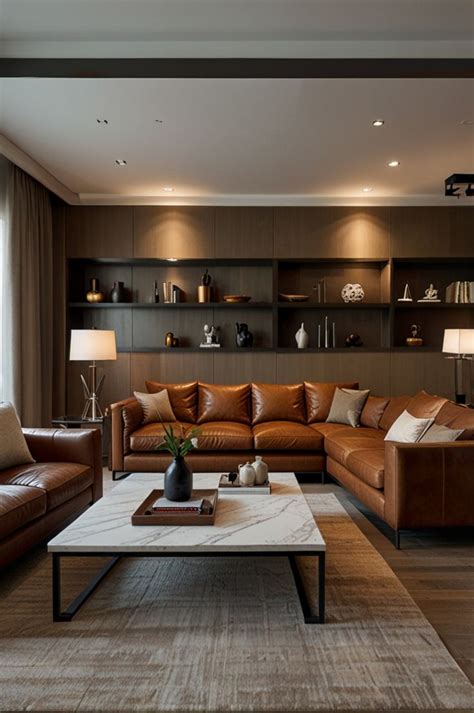
When shopping for a quality leather couch, the terminology used by manufacturers can feel overwhelming. The hide’s grade dictates not only the initial look and feel of the upholstery but also how it ages, breathes, and handles daily friction. Full-grain leather represents the highest tier, utilizing the entire outer hide with all its natural markings intact. It develops a rich, individualized patina over time, telling a visual story of your home’s daily life.
Top-grain leather is another popular, highly practical choice for most households. The outermost layer is lightly sanded to correct minor imperfections and treated with a protective finish, making it more uniform and resistant to everyday spills. Meanwhile, split leather and bonded leather utilize lower layers or scraps combined with synthetic binders. While these budget-friendly alternatives mimic the look of genuine hide, they lack the breathability and long-term durability required in high-traffic American living environments.
Selecting Sofas for Family and Pet Living
Active households with children, dogs, or cats demand furniture that can withstand heavy use without sacrificing style. Selecting a top-grain leather sofa with a protective semi-aniline finish is often the smartest strategy for pet owners. Unlike delicate nubuck or untreated pull-up leathers that scratch easily, protected leathers resist liquid absorption and allow pet hair to be wiped away effortlessly with a damp microfiber cloth.
Cushion construction is equally critical for family longevity. Look for high-resiliency foam cores wrapped in down-blend or fiber channels to prevent sagging under daily lounging. A sturdy kiln-dried hardwood frame reinforced with corner blocks ensures the sofa remains structurally sound even when energetic kids treat the cushions like a trampoline. Investing in robust internal framing saves you from premature structural failure and expensive replacements down the line.
Sizing and Layout Strategies for American Homes
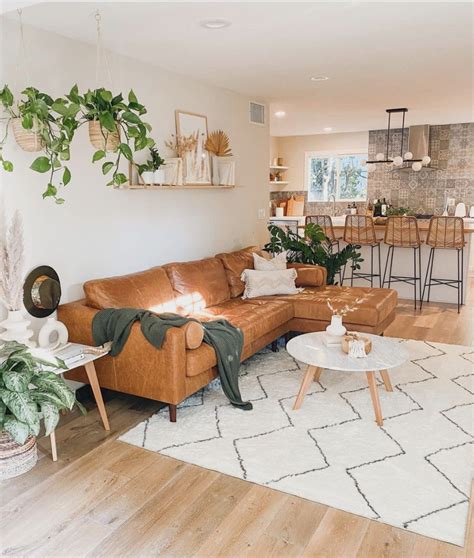
Floor plans across the United States vary dramatically, ranging from compact downtown loft apartments to open-concept suburban great rooms. Before falling in love with a sprawling modular sectional or an oversized Chesterfield, measure your living space carefully, accounting for entryways, stairwells, and elevator clearances. A standard three-seater sofa usually measures between 80 and 90 inches in length, making it a versatile centerpiece for mid-sized living rooms without overwhelming the visual flow.
For open-concept layouts, a large leather sectional serves as a natural architectural divider, defining the conversation zone while offering generous seating for guests. In smaller spaces, apartment-scaled leather sofas featuring exposed legs and low-profile arms create an illusion of airy openness. Elevating the sofa off the floor allows light to circulate underneath, preventing the room from feeling cramped or weighed down by heavy furniture.
Maintaining and Conditioning Your Leather Investment
Proper maintenance protects your investment, ensuring your leather sofa remains supple and visually striking for decades. Regular dusting with a soft, dry cloth prevents abrasive dirt particles from settling into the natural grain. Every few months, applying a specialized leather conditioner restores essential natural oils, preventing the material from drying out and cracking, particularly in homes with aggressive indoor heating or dry climates.
Positioning your sofa strategically within the room also extends its lifespan. Direct sunlight accelerates fading and dries out natural hides, so try to keep leather seating away from unshaded south-facing windows or heat vents. Promptly blotting spills with a clean, dry cloth prevents permanent stains, avoiding the need for harsh chemical cleaners that strip away the protective finish and compromise the leather’s natural texture.
Frequently Asked Questions
What is the difference between full-grain and top-grain leather?
Full-grain leather utilizes the outermost hide with all natural characteristics intact, aging into a rich patina. Top-grain leather has the surface lightly sanded to remove imperfections and receives a protective finish, offering greater uniformity and stain resistance.
Are leather sofas good for homes with pets?
Yes, certain leather types are exceptionally pet-friendly. Protected top-grain leathers resist liquid spills and do not trap pet hair the way woven fabrics do. However, you should avoid delicate aniline or suede leathers that can be easily punctured by claws.
How often should I condition my leather sofa?
In most indoor environments, conditioning your leather sofa every six to twelve months is ideal. Homes in particularly dry climates or those exposed to direct sunlight may require more frequent conditioning to maintain suppleness and prevent cracking.
How can I ensure a large leather sofa will fit through my apartment door?
Always review the manufacturer’s shipping dimensions and measure your apartment’s entryways, hallways, and elevator doors beforehand. Many quality sofas feature removable legs or modular designs to simplify navigating tight corners during delivery.


